

Why Technical SEO Matters More Than Ever for SaaS Platforms
When I first started optimizing SaaS sites, the conversation was almost always about keyword research and content marketing. Over time, I realized that without a solid technical foundation, even the most compelling copy will struggle to get discovered. Today, search engines are rewarding sites that deliver fast, secure, and accessible experiences. For SaaS companies, where the product itself lives online, technical SEO isn’t a nice‑to‑have—it’s a core component of the user journey and, ultimately, revenue growth.
Core Web Vitals: The New Baseline for SaaS Success
Google’s Page Experience update made Core Web Vitals (CWV) a ranking factor that can’t be ignored. In a SaaS context, slow load times or jittery interactions translate directly into higher churn rates. Imagine a prospect evaluating a pricing calculator that takes three seconds to render—those seconds can feel like an eternity when the decision hinges on speed and reliability.
To hit the CWV thresholds, focus on three metrics:
- LCP (Largest Contentful Paint) – aim for under 2.5 seconds. Optimize hero images, lazy‑load non‑critical assets, and leverage a CDN.
- FID (First Input Delay) – stay under 100 ms. Reduce JavaScript execution time and consider splitting heavy bundles.
- CLS (Cumulative Layout Shift) – keep it below 0.1. Reserve space for dynamic components and avoid layout‑shifting ads.
For SaaS teams that already run a real‑time edge optimization strategy, many of these improvements can be rolled out without a full code rewrite. Edge functions let you serve compressed assets, cache API responses, and even inject critical CSS before the browser even hits your origin server.
Structured Data: Turning SaaS Features into Rich Results
Structured data is the SEO equivalent of a well‑written product spec sheet. By providing search engines with clear, machine‑readable information, you unlock rich snippets that can dramatically improve click‑through rates. For SaaS platforms, there are three schema types that deliver the biggest lift:
- Product schema – Detail pricing tiers, free trial periods, and key features. When Google knows you offer a “Free trial” badge, it can surface that directly in the SERP.
- FAQ schema – Even if you’ve already built a knowledge base, adding FAQ markup helps Google surface answers instantly, reducing the need for users to navigate deeper.
- SoftwareApplication schema – This is perfect for SaaS tools. Include operating system requirements, supported browsers, and integration points.
Implement these schemas using JSON‑LD in the <head> of each relevant page. Test your markup with Google’s Rich Results Test, and monitor performance in the Search Console’s Enhancements report.
International SEO: Making Your SaaS Global‑Ready
Many SaaS businesses think of their market as “anywhere the internet reaches,” but search engines treat each language and region as a distinct entity. Ignoring international signals can lead to duplicate‑content penalties and missed traffic.
Start with a clear hreflang implementation:
- Map each language‑region combination to a dedicated URL (e.g.,
/fr/for French,/es-mx/for Mexican Spanish). - Use the
rel="alternate"`tag on every page to point to its equivalents. - Verify that each localized page has its own canonical tag pointing to itself—not to the default English version.
Don’t forget to adjust currency and date formats in your UI, and consider hosting localized resources on edge locations to keep latency low. A well‑executed international strategy can open up untapped markets without the need for a separate product line.
Siloed Architecture: Organizing SaaS Content for Crawl Efficiency
One of the most under‑utilized technical levers is a logical site architecture. By grouping related pages into “silos,” you help crawlers understand topical relevance and pass link equity more effectively. For SaaS, a typical silo might look like:
- Home → Product Overview → Feature Pages → Pricing → Demo Request
- Home → Resources → Blog → Use‑Case Guides → Case Studies
This hierarchy not only aids crawlers but also improves user navigation. When you’re ready to evaluate where your crawl budget is being spent, check out prioritizing high‑value pages. You’ll discover that a clean silo structure can reduce wasted crawling of low‑impact pages by up to 30%.
JavaScript Rendering: Making SPA SaaS Sites Searchable
Many modern SaaS products rely on single‑page applications (SPAs) built with React, Vue, or Angular. While SPAs deliver a slick user experience, they can also hide content from search engine bots if not handled correctly.
Here’s a three‑step checklist to keep your SPA SEO‑friendly:
- Server‑Side Rendering (SSR) or Static Site Generation (SSG) – Render the initial view on the server so bots receive fully formed HTML.
- Dynamic Rendering – Detect crawlers via the User‑Agent header and serve a pre‑rendered snapshot using services like Rendertron or Prerender.io.
- PushState Management – Ensure that each logical view updates the URL with
pushStateand that you have a corresponding<link rel="canonical">to avoid duplicate content.
Testing is crucial: use the “URL Inspection” tool in Search Console to see how Google renders the page, and verify that all critical text and links appear in the source.
Security Signals: HTTPS, CSP, and Trust Indicators
Security isn’t just a compliance checkbox—it’s a ranking signal. Google explicitly favors sites that implement HTTPS, and for SaaS platforms, a secure connection is also a trust marker for prospects.
Beyond the basic SSL certificate, consider the following:
- Content Security Policy (CSP) – Prevents malicious scripts from executing, which can protect both users and your site’s reputation.
- HSTS (HTTP Strict Transport Security) – Forces browsers to always use HTTPS, reducing the chance of downgrade attacks.
- Secure cookies – Mark session cookies as
SecureandHttpOnlyto protect against XSS.
These signals are lightweight to implement but send a strong message to search engines that your site is trustworthy.
Monitoring & Continuous Improvement: The Technical SEO Dashboard
Technical SEO is not a set‑and‑forget activity. The most successful SaaS teams treat it like a product feature—track, iterate, and release improvements regularly.
Build a dashboard that surfaces the following metrics:
- Core Web Vitals trends by page (use the Chrome User Experience Report API).
- Structured data errors and warnings from Search Console.
- Crawl stats: total pages crawled, average response time, and any 5xx spikes.
- International targeting health: missing
hreflangtags, canonical mismatches. - JavaScript rendering errors: monitor the “Rendered HTML” view for critical pages.
Set up alerts for any metric that crosses a threshold (e.g., LCP > 4 seconds) so your engineering team can react quickly. Over time, you’ll see a correlation between these technical improvements and higher organic conversion rates.
Putting It All Together: A 90‑Day Action Plan
To make the recommendations tangible, here’s a pragmatic roadmap you can roll out in three months:
- Week 1‑2: Audit current Core Web Vitals with PageSpeed Insights and identify top‑priority pages.
- Week 3‑4: Implement JSON‑LD for Product and SoftwareApplication schema on all pricing and feature pages.
- Week 5‑6: Deploy real‑time edge optimizations for static assets and enable HTTP/2 push for critical CSS/JS.
- Week 7‑8: Map out a siloed architecture and add
rel="canonical"tags where needed. Run a crawl budget report using the internal tool highlighted in the “prioritizing high‑value pages” guide. - Week 9‑10: Add hreflang tags for your primary international markets and test with the International Targeting report in Search Console.
- Week 11‑12: Set up a monitoring dashboard and schedule weekly reviews. Celebrate the first win—maybe a 15 % lift in organic traffic to the pricing page—and iterate.
This cadence mirrors a product sprint: you ship a measurable improvement, gather data, and then plan the next experiment.
Final Thoughts: Technical SEO as a Competitive Moat
In the SaaS world, product differentiation is often razor‑thin. Technical SEO gives you a defensible moat that scales with your audience. By delivering lightning‑fast, secure, and well‑structured pages, you not only win rankings but also win trust—one of the most valuable currencies for any subscription business.
If you’re ready to turn your platform into a search‑friendly powerhouse, start with the fundamentals outlined above, measure rigorously, and keep iterating. The results will speak for themselves in higher rankings, more qualified leads, and ultimately, a healthier bottom line.

Jessica Hall is a dynamic freelance writer based in the vibrant city of London, Ontario. As a dedicated single mom, she expertly juggles the demands of parenthood with her passion for storytelling, crafting compelling narratives that resonate with readers. With a background in retail, Jessica brings a unique perspective to her writing, infusing her work with insights drawn from her experiences.
Related Posts

Beyond Rich Snippets: A Structured Data Roadmap for SaaS Brands
A deep dive into why structured data matters for SaaS, with a step‑by‑step implementation guide,... Read More

Technical SEO Blueprint for SaaS Developer Portals
A step‑by‑step technical‑SEO guide for SaaS developer portals, covering architecture, crawl bu... Read More
Crawl Budget Mastery: A Technical SEO Playbook for SaaS Platforms
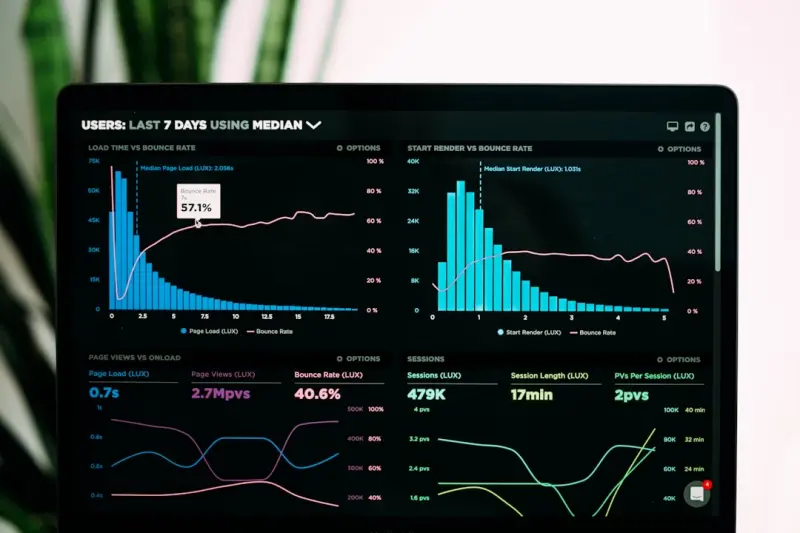
A detailed, step‑by‑step guide shows SaaS teams how to audit logs, streamline sitemaps, strength... Read More
Top Posts
Social Listening as the Engine for Product Innovation and Growth
Discover a step‑by‑step approach to turning everyday social chatter into strategic product decisions, content that ranks, and a brand voice that truly reson...Read More

When SERPs Go Wild: Turning Ranking Volatility Into a Competitive Edge
SERP rankings are constantly shifting, but instead of fearing volatility, SaaS marketers can use it as a strategic asset. This post outlines a data‑driven fra...Read More

Conversational Commerce: Turning Chat Apps into Sales Engines
Explore the rise of conversational commerce and learn step‑by‑step how chat apps can become your brand’s most effective sales engine, from bot design to r...Read More

Seeing the Future: How AI‑Powered Visual Search Is Redefining eCommerce
Visual search lets shoppers snap a photo and instantly find the product they love, driving higher conversion rates and larger basket sizes while supporting sust...Read More
0 Comments
Post Comment
You will need to Login or Register to comment on this post!