
Why Traditional Outreach Is Losing Its Edge
For years, the SEO playbook has championed cold emails, guest posts, and broken‑link reclamation as the holy trinity of link acquisition. Those tactics still work, but the signal‑to‑noise ratio is deteriorating. Search engines have become smarter, and marketers are smarter. The industry’s own playbook now warns that indiscriminate link requests can backfire, triggering spam filters or, worse, eroding brand trust.
Enter the Expert Roundtable: A Link Magnet You Can’t Ignore
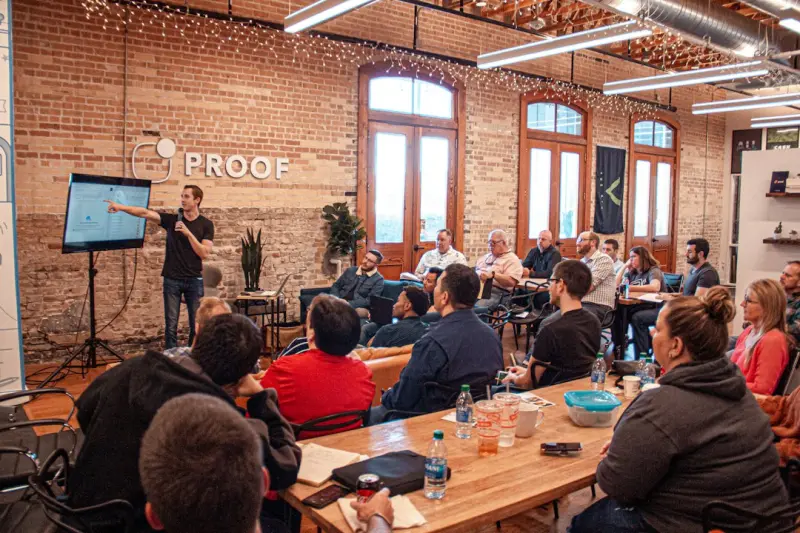
Think of an expert roundtable as a curated, live‑talk podcast combined with a whitepaper‑style deep‑dive. You invite 3‑5 thought leaders—customers, analysts, or complementary SaaS founders—to discuss a niche challenge that matters to your target audience. The conversation is recorded, transcribed, and repurposed across multiple channels: a dedicated landing page, a downloadable PDF, a series of micro‑videos, and even a LinkedIn carousel.
What makes this format a link‑building powerhouse? Three things:
- Authority by association. When a recognized figure appears on your page, other sites naturally cite it as a trusted source.
- Evergreen relevance. A well‑chosen topic (e.g., “Orchestrating Multi‑Tenant Security in SaaS”) stays useful for months, if not years, generating a steady stream of backlinks.
- Multipurpose content. Each format (audio, video, transcript) offers a unique hook for different audiences, expanding the reach of the original discussion.
Mapping the Roundtable Funnel
Before you send the first invitation, map out the funnel you want the roundtable to fuel. Below is a simple yet effective framework:
- Identify the knowledge gap. Scan community forums, support tickets, and social listening tools to uncover a pain point that isn’t fully addressed elsewhere.
- Select the experts. Prioritize thought leaders who have a strong backlink profile themselves and who are active in industry publications.
- Craft the narrative. Frame the discussion as a solution‑oriented dialogue, not a sales pitch. This makes the content more citation‑worthy.
- Produce and amplify. Record, edit, and publish the content across owned channels. Then outreach to relevant publications, offering the roundtable as a ready‑made expert source.
- Measure and iterate. Track referral domains, organic traffic lift, and brand mentions. Use the data to refine the next roundtable’s theme and guest list.
Choosing the Right Topic: Data‑Driven Over Gut‑Feel
One of the biggest mistakes marketers make is picking a “trendy” topic based on personal bias. Instead, lean on data. The research‑first link building playbook illustrates how a systematic audit of keyword gaps and competitor backlinks can reveal untapped thematic opportunities. Apply the same rigor here:
- Run a content gap analysis to see where your competitors have authoritative pages that you lack.
- Cross‑reference those gaps with the expertise of your prospective guests.
- Validate demand using search volume tools and social listening metrics.
When the data points converge, you’ve found a topic that not only resonates with your audience but also has a high probability of earning inbound links.
Recruiting the Right Voices
Not all experts are equal. Look for individuals who satisfy three criteria:
- Domain authority. A guest with a strong backlink profile can pass some of that equity to your page.
- Audience overlap. Their followers should align with your ideal customer profile, ensuring the discussion reaches the right people.
- Content appetite. The guest must be willing to promote the roundtable on their own channels, turning a single conversation into a multi‑point distribution network.
When you approach these experts, frame the invitation around mutual benefit: they get exposure to a new audience, you get a high‑quality backlink, and together you produce content that solves a real problem.
Production Hacks for Maximum Linkability
Even the most insightful discussion can fall flat if the production value is lacking. Keep these quick wins in mind:
- Use a professional moderator. A skilled host steers the conversation, extracts quotable moments, and ensures each participant shines.
- Capture timestamps. When you publish the transcript, tag each speaker’s key points with timestamps. This makes it easy for journalists and bloggers to cite specific insights.
- Add visual assets. Create custom quote graphics and data visualizations that can be embedded elsewhere with a backlink to your landing page.
- Include a resource hub. Link out to each participant’s own content (with proper attribution). This reciprocity often encourages them to return the favor.
Outreach 2.0: Turning the Roundtable Into a Link Magnet
Once the roundtable is live, shift your outreach strategy from “please link to me” to “here’s a ready‑made, expert‑backed resource you can embed.” Draft a concise pitch that highlights:
- The credibility of the participants (mention their titles, publications, and any notable backlinks they already have).
- Specific, citation‑ready quotes or statistics that align with the prospect’s audience.
- A clear call‑to‑action: “Feel free to embed this snippet or link to the full transcript.”
This approach respects the journalist’s time and positions you as a source of value rather than a link‑seeker.
Measuring Success Beyond the Link Count
While the number of referring domains is a core KPI, a holistic view reveals deeper impact:
- Referral traffic quality. Analyze the behavior of visitors arriving from linked articles—time on page, conversion rate, and downstream funnel movement.
- Brand lift. Use brand‑mention monitoring tools to gauge sentiment and awareness spikes after each roundtable release.
- Authority growth. Track changes in your domain rating and the topical authority of the roundtable landing page over time.
When you see a sustained upward trend across these metrics, you’ve built a link‑building engine that pays dividends beyond the immediate backlink.
Scaling the Model: From One Roundtable to a Year‑Long Series
Once you’ve proven the concept, it’s time to think scale. Here’s a simple roadmap:
- Quarterly cadence. Release four roundtables per year, each tackling a distinct stage of the buyer’s journey.
- Cross‑functional involvement. Involve product, customer success, and sales teams in guest selection to ensure the topics align with real‑world use cases.
- Evergreen archiving. Create a “Roundtable Hub” on your site where all past discussions are searchable, driving ongoing organic traffic.
- Automated outreach. Use a CRM workflow to trigger outreach emails to journalists and niche publications whenever a new roundtable goes live.
By institutionalizing the process, you transform a one‑off link‑building stunt into a sustainable, authority‑building machine.
Potential Pitfalls and How to Avoid Them
Even the most promising strategy can stumble if you overlook the details. Watch out for:
- Over‑promotion. Bombarding your guests with self‑serving requests can damage relationships. Keep the outreach light and reciprocal.
- Poor SEO hygiene. Forgetting to add canonical tags, structured data, or proper heading hierarchy can dilute the SEO value of the page.
- Insufficient guest preparation. If participants aren’t briefed on the discussion flow, the conversation can drift, yielding fewer quotable moments.
Address each risk early, and the roundtable model will remain a reliable source of high‑quality links.
Putting It All Together: A Sample Timeline
Below is a condensed 8‑week schedule for a single roundtable, from ideation to link acquisition:
| Week | Milestone |
|---|---|
| 1 | Data‑driven topic selection & guest outreach |
| 2 | Confirm participants, draft discussion guide, schedule recording |
| 3 | Record & edit audio/video; generate transcript |
| 4 | Design visual assets; build landing page with SEO basics |
| 5 | Publish roundtable; distribute internally (newsletter, socials) |
| 6 | Outreach to industry blogs, journalists, and niche directories |
| 7 | Analyze backlink profile, traffic, and engagement metrics |
| 8 | Document learnings; plan next roundtable topic |
This timeline ensures every step—research, production, promotion, and measurement—receives focused attention, maximizing both link equity and brand impact.
Final Thoughts: From Link Building to Relationship Building
At its core, the expert roundtable strategy reframes link acquisition as a relationship‑centric activity. You’re not merely asking for a backlink; you’re co‑creating value with industry leaders, amplifying their expertise, and delivering actionable insights to your audience. The result is a virtuous cycle: high‑quality backlinks boost authority, authority attracts more experts, and the cycle repeats.
If you’ve been stuck in the grind of cold outreach, it’s time to pivot. Start scouting for the next conversation that can turn a handful of thought leaders into a backlink goldmine—and watch your SaaS brand’s visibility climb without the usual spammy tactics.

Paul Gray is a dynamic blogger based in Brampton, where he shares his life with his amazing wife, Sarah. Known for his engaging writing style and relatable insights, Paul has carved out a niche in the blogging world that resonates with readers from all walks of life. When he's not crafting captivating posts, you can find him savoring a cold beer or indulging in the latest blockbuster movie. With a friendly demeanor and a passion for storytelling, Paul brings a unique perspective to his work, making him not just a blogger, but a voice for those who appreciate the simple joys of life.
Related Posts

Link Building in 2026: The Human‑Centric Playbook That Beats Algorithms
A 2026 guide to link building that swaps mass outreach for genuine connections, data‑driven assets... Read More

Link Building with Data‑Driven Partnerships: A SaaS Playbook
Learn how to shift from generic outreach to strategic, data‑driven link building that leverages re... Read More

Turning Empathy into Authority: A Human‑Centric Blueprint for Modern Link Building
Learn how shifting from cold outreach to genuine, empathy‑driven relationships can turn every link... Read More
Top Posts
Conversational Commerce: Turning Chat Into Your Next Sales Engine
Explore the rise of conversational commerce, learn why messaging apps are becoming powerful sales hubs, and get actionable steps to turn everyday chats into pro...Read More

Why Technical SEO is the Backbone of Modern Search Strategies
Technical SEO is no longer just a nice-to-have, but a must-have for any serious online presence. Learn why it's critical for businesses looking to improve their...Read More

Short-Form Video Commerce: Turning 15‑Second Clips Into Sales
Learn why short‑form video is the latest sales engine, how to craft compelling 15‑second clips, integrate seamless shoppable links, and use data to turn vie...Read More
Personalized SERPs: Turning Tailored Search Into SaaS Revenue
The blog explores how personalized search engine results pages (SERPs) are reshaping B2B SaaS lead generation, offering practical tactics—entity‑rich conten...Read More
0 Comments
Post Comment
You will need to Login or Register to comment on this post!