
Why Conversational Commerce Is the Next Digital Marketing Frontier
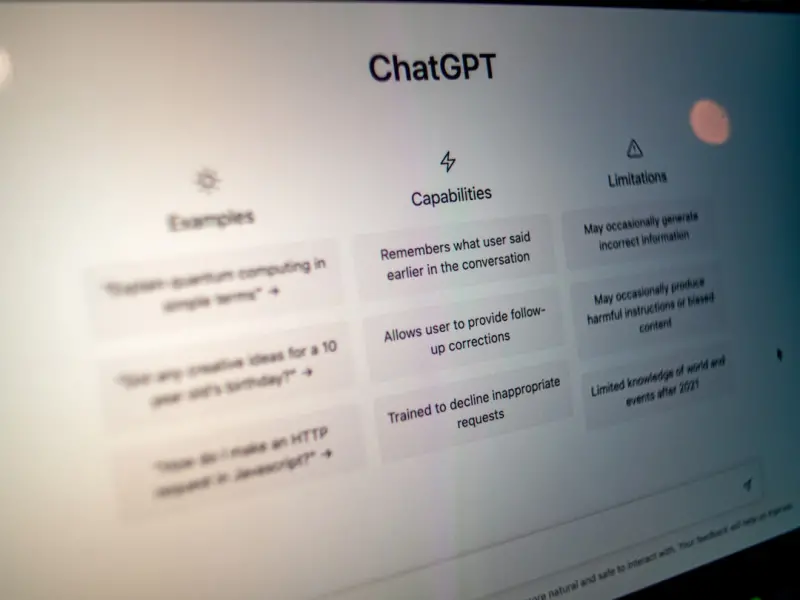
When I first started experimenting with chat‑first experiences, I quickly realized that the line between conversation and transaction is disappearing faster than any algorithm update could predict. Today, consumers expect to ask a question, receive an instant, human‑like reply, and complete a purchase without ever leaving the chat window, turning everyday messaging apps into bustling marketplaces. This shift isn’t just a gimmick; it’s a structural change that forces brands to rethink funnels, content, and customer service as one seamless dialogue, and it’s happening right now across the platforms we already use to stay connected with friends and family.
The Explosive Growth of Messaging Platforms as Sales Channels
In the last few years, the daily active users on apps like WhatsApp, Facebook Messenger, and WeChat have surged past the combined traffic of many traditional websites, creating a goldmine of engaged, mobile‑first audiences. What’s more, these platforms have been quietly adding commerce‑ready features—shopping buttons, in‑app payments, and rich media previews—that let brands sell without forcing users to open a browser. By meeting shoppers where they already spend hours typing emojis and memes, businesses can cut friction to almost zero, turning casual chats into high‑intent purchase moments that feel natural rather than forced. As a marketer, I’ve found that the sheer volume of conversational data generated in these spaces provides an unprecedented window into real‑time preferences, allowing us to adapt offers on the fly.
Building Trust with AI‑Powered, Human‑Centric Chatbots
Trust is the currency of any online transaction, and nothing erodes it faster than a bot that sounds like a robot. Modern conversational AI blends natural language processing with sentiment analysis, enabling bots to recognize sarcasm, urgency, and even cultural nuances, delivering responses that feel genuinely helpful. When a chatbot can greet a repeat customer by name, recall past purchases, and suggest complementary items, the experience mirrors a knowledgeable sales associate, fostering loyalty that traditional banner ads simply can’t achieve. By training these bots on authentic brand voice guidelines and continuously feeding them real customer interactions, marketers can create a digital “store clerk” that works 24/7 without ever taking a coffee break.
Personalization at Scale: Turning Data Into Meaningful Interactions
Every message a user sends is a data point, and when you aggregate those points across millions of conversations, you uncover patterns that would be invisible in a static website analytics dashboard. By leveraging this conversational data, brands can segment audiences not just by demographics but by intent signals—like “just browsing,” “price‑sensitive,” or “ready to buy”—and then serve hyper‑relevant product recommendations in real time. This level of personalization feels less like invasive tracking and more like a helpful friend who remembers your favorite coffee blend; it reduces decision fatigue and nudges shoppers toward conversion. In practice, I’ve seen campaigns that dynamically adjust discount codes based on the shopper’s tone, boosting average order value by double‑digit percentages without any additional ad spend.
Seamless Payments Embedded Directly in the Chat Flow
One of the biggest friction points in e‑commerce has always been the checkout page, but messaging apps are now eliminating that barrier by integrating secure payment gateways right into the conversation. Users can tap a “Buy Now” button, confirm their shipping address, and complete a transaction without ever leaving the chat interface, all while the platform handles encryption and compliance. This frictionless path not only shortens the sales cycle but also captures impulse purchases that would otherwise be abandoned at the cart stage. For brands that have already built a loyal community in chat, embedding payments feels like offering a VIP line—fast, exclusive, and incredibly convenient.
Cross‑Channel Synergy: Leveraging Live Experiences Within Conversations
While my focus today is on messaging, the most successful campaigns I’ve orchestrated blend live, interactive content with chat‑first follow‑ups, creating a loop that keeps audiences engaged long after the stream ends. For instance, after a brand’s product demo on a live video, I direct viewers to a dedicated Messenger thread where they can ask questions, receive instant answers, and receive a limited‑time discount code—turning passive viewers into active buyers. This tactic mirrors the principles discussed in turn followers into co‑creators, but adds the immediacy of a personal chat, amplifying conversion rates dramatically.
Measuring Success: Metrics That Matter in Conversational Commerce
Traditional KPIs like click‑through rate and bounce rate lose relevance when the entire journey happens inside a chat window; instead, marketers should focus on conversation depth, response latency, and transaction completion rate per session. Tracking how many messages are exchanged before a purchase, the average time from first inquiry to checkout, and the repeat‑purchase frequency from chat‑originated orders provides a clearer picture of ROI. Additionally, sentiment analysis scores can highlight pain points in the dialogue, allowing rapid iteration. When I align these conversational metrics with broader revenue goals, I can demonstrate the direct impact of chat‑first strategies to stakeholders who still cling to legacy dashboards.
Actionable Steps to Launch Your Own Conversational Commerce Strategy
To get started, I recommend mapping out the most common customer queries and designing bot flows that resolve them in three messages or fewer, ensuring speed and clarity. Next, integrate a payment provider that supports in‑app transactions and test the checkout experience across multiple devices to guarantee a frictionless handoff. After launch, feed the bot with real conversation logs, fine‑tune its language model, and continuously A/B test different offers and response tones. Finally, don’t forget to promote the new chat channel across your existing touchpoints—email signatures, social posts, and even packaging inserts—to drive traffic to the conversation hub. By following this roadmap, brands can turn ordinary messaging apps into high‑performing sales engines that feel as personal as a text to a friend.
Future Outlook: The Evolution of Chat‑First Marketing
Looking ahead, the next wave will likely involve voice‑enabled assistants and AR‑enhanced chats, where customers can virtually try on products before confirming a purchase—all within the same conversational thread. As AI continues to improve, bots will become proactive, nudging users with timely reminders based on calendar events, location data, or even mood detection. Brands that invest in building a robust conversational infrastructure today will find themselves well‑positioned to capitalize on these emerging capabilities, turning chat from a support channel into a core revenue driver. The era of static webpages is giving way to living, breathing dialogues, and the marketers who master this shift will lead the digital landscape tomorrow.

Becky Putman is an Ottawa-based freelance writer and marketing professional with a passion for storytelling, animals, and community involvement. She enjoys creating engaging content that informs, inspires, and connects with readers.
Related Posts

How Podcast Advertising Is Redefining Digital Marketing
Discover how podcast ads transform brand storytelling, drive measurable results, and shape the futur... Read More

The Rise of Meme Marketing: Turning Internet Humor Into Brand Power
Explore the power of meme marketing, from psychology and platform selection to measurement and futur... Read More

The Voice-First Playbook: Turning Conversational Search into SaaS Growth
Voice assistants are moving beyond consumer use, becoming a critical channel for B2B SaaS buyers. Th... Read More
Top Posts

The Evolution of SEO Strategy: Navigating the Shifting Landscape
The SEO landscape is continually evolving. Stay ahead of the competition with the latest insights on SEO strategy, user experience, and technical optimization....Read More
Predictive Link Building: Turning Data Into Authority
Learn the new method of predictive link building that uses data modeling to identify future link opportunities, automate outreach, and grow authority faster tha...Read More

The Future of eCommerce: How to Stay Ahead in a Rapidly Changing Landscape
The eCommerce landscape is shifting rapidly. Stay ahead of the curve with the latest trends and strategies. Learn how to optimize your online store for success ...Read More

The Mobile-First Revolution: How to Stay Ahead in Mobile SEO
The mobile-first revolution is here to stay, and businesses need to prioritize mobile SEO to stay ahead of the competition. Learn how to optimize your website f...Read More
0 Comments
Post Comment
You will need to Login or Register to comment on this post!