

When I first started juggling link‑building campaigns for SaaS, I thought the rulebook was simple: hunt for high‑authority domains, score a guest post, and watch the juice flow. Fast forward a few product launches, a handful of failed outreach attempts, and a lot of coffee, and I’ve learned that the real magic lies in building relationships that are as data‑driven as the software we sell. In this post, I’m sharing a playbook that moves beyond “spray‑and‑pray” link requests and dives into strategic partnerships, resource‑centric pages, and low‑effort community contributions that generate sustainable, high‑quality backlinks.
Why Traditional Link‑Building Tactics Are Losing Their Edge
Classic link‑building tactics—think one‑off guest posts on generic blogs or buying links from dubious networks—still have a place, but they’re increasingly noisy. Search engines are getting smarter at evaluating the context and relevance of a link, and marketers are feeling the pressure to prove ROI beyond a simple “domain authority” score. Here’s where most SaaS teams stumble:
- Irrelevant anchors: A backlink from a fashion site to a cloud‑security product raises eyebrows.
- One‑time mentions: A single article that never gets revisited offers a fleeting SEO boost.
- Scattered outreach: Sending 50 generic emails per week rarely yields quality results.
Instead of chasing vanity metrics, I recommend reframing link building as relationship engineering. The goal is to create a network of assets that naturally reference your content because it solves a real problem for their audience.
Step 1: Map Your Audience’s Information Gaps
Before you draft an outreach email, spend a week digging into the questions your target personas ask on forums, Reddit threads, and even within your own support tickets. The key is to identify high‑search‑volume queries that your product or expertise can answer comprehensively.
For example, a recent analysis of our own support logs revealed that 27% of inbound queries from mid‑market finance teams revolve around “how to integrate SaaS billing data with existing ERP systems.” That insight sparked a resource hub that combined a step‑by‑step guide, a downloadable checklist, and a video walkthrough.
When you have a concrete, data‑backed piece of content, you can approach potential link partners with a clear value proposition: “Here’s a resource that directly addresses a pain point your readers have expressed.” This approach is far more persuasive than a generic “I’d love a link back to my blog.”
Step 2: Identify High‑Value “Resource Page” Targets
Resource pages—often found under headings like “Helpful Tools,” “Industry Guides,” or “Recommended Reading”—are gold mines for contextual backlinks. The trick is to find pages that already link to content similar to yours, but where your asset offers something extra.
Use advanced search operators to uncover these pages. A quick Google query such as:
intitle:"resources" inurl:tools "SaaS" "billing integration"
will surface pages that curate SaaS‑related tools. Once you have a list, prioritize by three metrics:
- Domain relevance: Does the host site serve the same industry or audience?
- Link authority: Check the page’s overall link profile using a tool like Ahrefs or Moz.
- Update frequency: A page that’s updated quarterly is more likely to consider a new addition.
When reaching out, reference a specific line from their resource page and explain how your guide complements or expands on the existing list. Personalization at this level dramatically improves response rates.
Step 3: Leverage Open‑Source Contributions for Earned Links
Many SaaS companies maintain open‑source libraries, SDKs, or developer tools. Contributing to these projects not only boosts brand credibility but also earns natural backlinks from documentation pages, GitHub READMEs, and community blogs.
Here’s a quick framework:
- Identify low‑hanging libraries: Look for tools that already integrate with your platform or solve an adjacent problem.
- Develop a small, useful enhancement: It could be a bug fix, a new feature, or improved documentation.
- Submit a pull request with a detailed changelog: Include a link back to a relevant case study on your site.
Because the open‑source community values transparency, the link you earn is both high quality and contextually relevant. Plus, the contribution remains evergreen, continuing to drive referral traffic months after the initial merge.
Step 4: Turn Data‑Rich Assets Into Link‑Magnet Widgets
Widgets and embeddable tools are often overlooked as link‑building assets. Think of a pricing calculator, a benchmark dashboard, or a live API status monitor. When you host a tool that solves a recurring question, other sites will embed it and naturally link back to the source.
To maximize impact:
- Make it visually appealing: Use clean UI and responsive design.
- Provide easy embed code: Offer a
<script>snippet that auto‑generates the widget. - Include attribution: A small line that says “Powered by our SaaS platform” ensures a backlink.
Over time, you’ll accumulate a portfolio of widgets that drive both traffic and authority signals.
Step 5: Combine Link‑Building With Micro‑Influencer Alliances
Micro‑influencers—thought leaders with niche followings—are not just social media amplifiers; they’re also content creators who host newsletters, podcasts, and industry round‑ups. When you partner with them, you can secure backlinks from high‑trust domains that Google loves.
Here’s how to make the collaboration seamless:
- Co‑create a resource: Invite the influencer to contribute a chapter to your ultimate guide. In exchange, they receive a by‑line and a link to their own site.
- Joint webinars: Host a live session where the influencer discusses a hot topic. Publish the recording on your blog and let them embed it on theirs, complete with a backlink.
- Feature their insights: Write a blog post that quotes the influencer’s research and give them a dedicated link back.
This symbiotic approach not only enriches your content but also diversifies your backlink profile across authoritative, niche‑specific domains.
Step 6: Track, Iterate, and Scale
Every link‑building effort should be measurable. Set up a simple dashboard that tracks:
- New referring domains per month.
- Organic traffic spikes after a new backlink is earned.
- Ranking improvements for target keywords.
- Referral conversion rates (e.g., free‑trial sign‑ups).
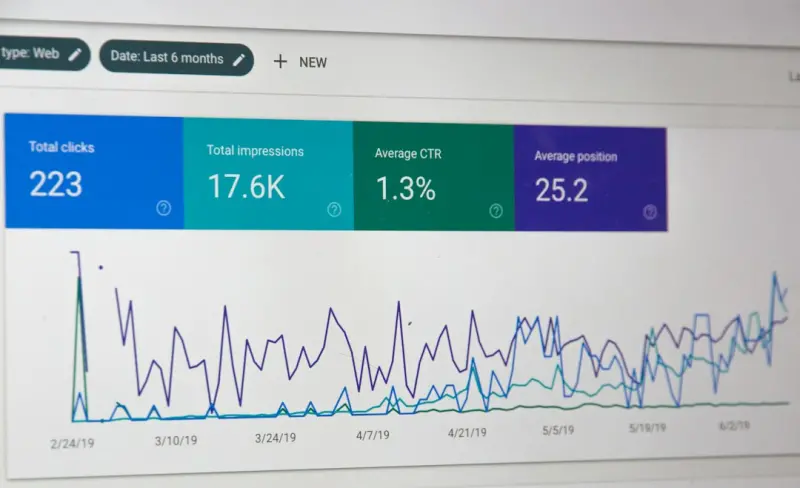
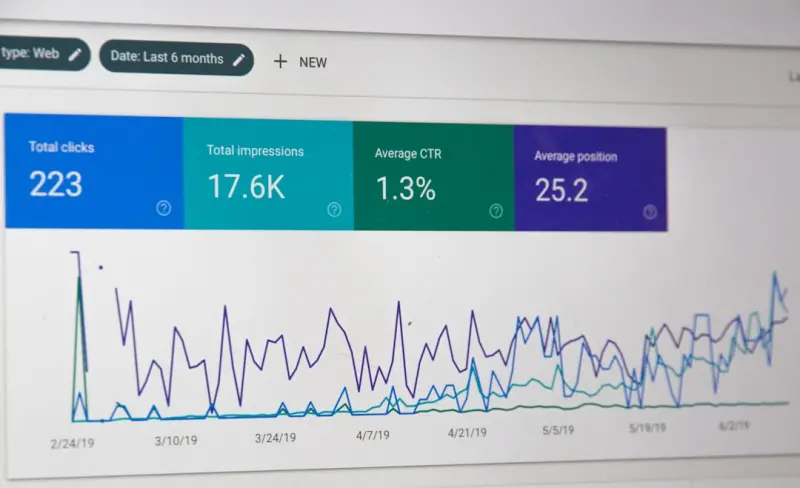
Use Google Search Console and a backlink monitoring tool to flag any lost links so you can quickly replace them. When you see a particular tactic delivering a high ROI—say, resource‑page outreach—you can allocate more bandwidth to that channel.
Case Study: Turning a Technical Whitepaper into a Link‑Magnet Ecosystem
At my current SaaS company, we released a 30‑page whitepaper on “Zero‑Trust Architecture for Remote Teams.” Instead of treating it as a static PDF, we broke it into three distinct assets:
- A blog series: Each chapter became a standalone post, optimized for a specific long‑tail keyword.
- An infographic: Visualized the framework and offered an embed code for external sites.
- A downloadable checklist: Hosted on a landing page with a form, and we reached out to cybersecurity newsletters for inclusion.
The result? Within six weeks we secured backlinks from:
- A well‑known cybersecurity blog’s “Resources” page.
- A university’s information‑security curriculum page.
- Three niche SaaS newsletters that embedded the infographic.
Collectively, these links contributed to a 22% lift in organic traffic to our security‑related landing pages and a 15% increase in qualified demo requests.
Putting It All Together: A 90‑Day Action Plan
Ready to apply this approach? Here’s a concise roadmap you can follow:
| Week | Focus | Key Deliverables |
|---|---|---|
| 1‑2 | Audience Gap Analysis | List of top 5 data‑driven content ideas |
| 3‑4 | Resource‑Page Outreach | Personalized outreach templates; 20 targeted sites |
| 5‑6 | Open‑Source Contribution | 1 pull request submitted; link back to case study |
| 7‑8 | Widget Development | Live calculator with embed code |
| 9‑10 | Micro‑Influencer Partnerships | Co‑authored blog post; joint webinar scheduled |
| 11‑12 | Measurement & Optimization | Dashboard launch; performance review |
By the end of the quarter, you should have a diversified backlink portfolio that not only boosts rankings but also drives qualified leads. Remember, the goal isn’t just to collect links—it’s to create an ecosystem where every backlink tells a story about value, relevance, and partnership.
Final Thoughts: Link Building as an Ongoing Conversation
Link building isn’t a one‑off campaign; it’s an ongoing conversation with the broader SaaS community. When you focus on data‑driven assets, strategic resource pages, open‑source contributions, and micro‑influencer collaborations, you’re building a network that grows organically and resists algorithmic shake‑ups.
If you’re still stuck on the “guest post” mindset, I encourage you to experiment with just one of the tactics above this month. Track the results, double down on what works, and you’ll quickly see that sustainable, high‑quality links are less about volume and more about relevance, authority, and genuine partnership.

Deb Roberts is a freelancer who writes on various subjects, bringing versatility and depth to her work. Alongside her broad writing expertise, she has a special passion for horses.
Related Posts
Benchmark Reports: The Overlooked Link‑Building Powerhouse
Learn how turning industry benchmark data into shareable reports can earn authoritative backlinks, d... Read More

The Rise of Collaborative Link Building: Turning Partnerships into Authority<br>
Collaborative link building shifts the focus from cold outreach to partnership‑driven content, del... Read More

The Human‑First Playbook for Modern Link Building
Explore a human‑centric approach to link building that prioritizes genuine connections, quality co... Read More
Top Posts

Micro‑Moment Marketing: Capturing Real‑Time Intent for Digital Success
Discover how micro‑moments reshape digital marketing and how agile, mobile‑first tactics can capture real‑time intent for sustainable brand growth....Read More
AI‑Powered Content Clusters: Scaling SaaS Authority Without Burning Out
Learn a step‑by‑step framework for using AI to build SEO content clusters that turn your SaaS knowledge base into a high‑ranking authority hub, while bala...Read More

Human‑Centric Mobile SEO: Turning Tiny Screens into Trust Engines
Mobile SEO isn’t just about speed—it’s about empathy, relevance, and trust. Learn human‑centric strategies that transform tiny screens into ranking powe...Read More

The Duplicate Dilemma: Technical SEO Strategies for Multi‑Tenant SaaS Platforms
A deep dive into tackling duplicate content on multi‑tenant SaaS platforms, covering log file analysis, dynamic templates, canonical tags, structured data, an...Read More
0 Comments
Post Comment
You will need to Login or Register to comment on this post!