
Why Traditional Loyalty Programs No Longer Cut It
Online shoppers today are bombarded with discount codes, flash sales, and endless comparison tools, making price the easy battleground for most brands. Yet the data tells a different story: customer acquisition costs continue to rise, while the average lifetime value of a repeat buyer remains the most reliable profit engine. When loyalty programs feel like a bland points ledger, shoppers disengage, and the brand loses the emotional hook that turns a cart into a community. The challenge, then, is to redesign loyalty so it feels less like a transaction ledger and more like an experience that players actually want to return to, day after day.
The Psychology Behind Gamified Loyalty
Gamification taps into core human motivations—competition, achievement, and social recognition—by converting ordinary actions into game‑like quests. When a shopper earns “XP” for leaving a review or unlocks a “badge” for purchasing across categories, the brain releases dopamine, reinforcing the behavior in a way that pure discounts never can. This psychological loop creates a sense of progress, encouraging users to climb tiers, chase challenges, and share victories, which in turn fuels organic word‑of‑mouth. By framing purchases as moves on a leaderboard, brands shift the narrative from “spending money” to “earning status,” dramatically increasing engagement without sacrificing margin.
Building a Points System That Feels Rewarding
A successful points architecture must balance immediacy with long‑term goals. Short‑term incentives—like a 10‑point bonus for signing up—provide instant gratification, while tiered milestones—such as “Silver,” “Gold,” and “Platinum” status—offer aspirational targets that keep shoppers looking ahead. Crucially, the conversion rate between points and rewards should be transparent; ambiguity erodes trust faster than any missed shipment. Integrating tier‑specific perks—early access to drops, exclusive content, or free expedited shipping—creates a hierarchy of value that feels both attainable and coveted. When points can also be spent on experiences, not just discounts, the program transcends the traditional coupon model and becomes a genuine driver of brand affinity.
Social Sharing and Friendly Competition
Humans are inherently social creatures, and a loyalty program that lets shoppers broadcast achievements amplifies its reach exponentially. Embedding shareable “badge earned” widgets on Instagram Stories or TikTok not only celebrates the individual but also plants a subtle invitation for peers to join the game. Leaderboards that rank friends or local communities add a layer of friendly rivalry, turning ordinary purchases into brag‑worthy moments. By coupling these social cues with real‑time social listening, brands can surface trending challenges and tailor rewards that resonate with current cultural conversations, ensuring the program stays fresh and culturally relevant.
Personalizing Rewards Through Data Insights
Data is the lifeblood of any modern loyalty strategy; it tells you not just what a shopper bought, but why they bought it. By analyzing purchase frequency, product affinities, and browsing patterns, brands can craft hyper‑targeted reward bundles that feel hand‑picked for each individual. Imagine a runner who consistently purchases athletic wear receiving a limited‑edition sneaker badge, while a home‑chef gets a culinary‑themed quest line. This level of personalization transforms the loyalty program from a one‑size‑fits‑all punchcard into a dynamic concierge that anticipates desires, deepening emotional attachment and reducing churn. Moreover, predictive analytics can surface at‑risk customers and trigger re‑engagement missions before they slip away, turning potential churn into a new game level.
Mobile‑First Gamified Experiences
With more than half of eCommerce traffic now arriving via smartphones, the loyalty experience must be seamless on small screens. A responsive, app‑like interface—leveraging the principles from the PWA Playbook—ensures that points, challenges, and leaderboards load instantly, even on flaky connections. Push notifications can deliver time‑sensitive quests, such as “Earn double points for completing a purchase before midnight,” creating urgency without feeling intrusive. Incorporating native device features like camera scanning for in‑store QR challenges bridges the offline‑online divide, letting shoppers earn digital rewards while walking the aisles, further blurring the line between shopping and play.
Case Study: Turning a Store into a Loyalty Playground
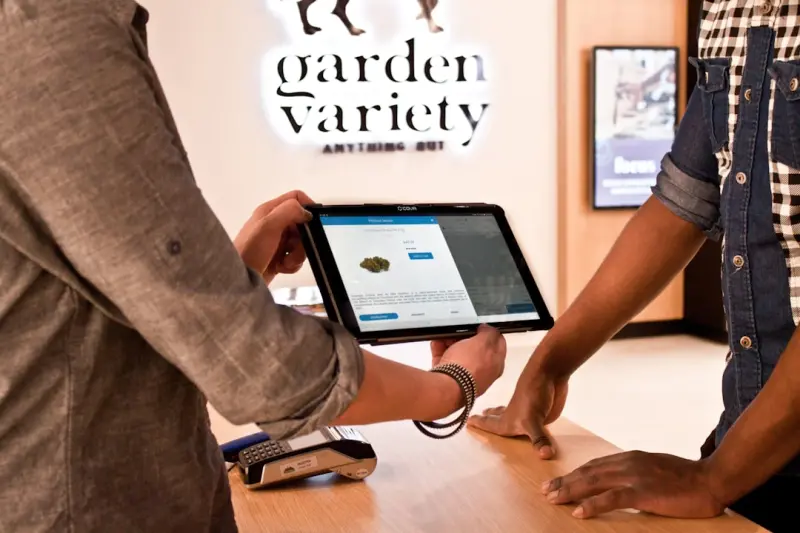
One mid‑size fashion retailer recently overhauled its loyalty engine by embedding gamified quests directly into the checkout flow, resulting in a 27% lift in repeat purchases within three months. By aligning each quest with product categories—such as “Complete the summer capsule challenge”—the brand encouraged cross‑selling while rewarding exploration. The initiative was documented in Transforming Your Online Store into a Customer Experience Engine, highlighting how a cohesive narrative and clear visual cues can turn mundane transactions into a story‑driven adventure. The retailer also leveraged social leaderboards, allowing shoppers to compare progress with friends, which amplified organic reach and lowered acquisition costs dramatically.
Emerging Trends: NFTs, Blockchain, and the Future of Loyalty
As blockchain technology matures, eCommerce brands are experimenting with tokenized rewards that can be traded, sold, or even used across ecosystems. Non‑fungible tokens (NFTs) offer a new class of digital collectibles that double as status symbols and unlock exclusive perks, adding a scarcity dimension to loyalty. Imagine a limited‑edition “Founder’s Badge” minted as an NFT that grants lifetime free shipping and early product access—this creates both monetary and emotional value. While still in its infancy, the intersection of gamified loyalty and decentralized assets promises to reshape how brands think about customer ownership, turning loyal shoppers into stakeholders of the brand’s digital economy.
Measuring Success and Iterating Quickly
Implementing a gamified program is only half the battle; continuous measurement determines whether the experience is truly sticky. Key performance indicators should include not just repeat purchase rate, but also average session duration, challenge completion percentages, and social sharing velocity. A/B testing different quest structures, reward thresholds, and notification cadences can reveal what resonates most with distinct audience segments. By feeding these insights back into the design loop, brands can evolve the game in real time, keeping the experience fresh and aligned with shifting consumer preferences. The ultimate goal is a self‑optimizing ecosystem where the loyalty program becomes a living, adaptive part of the brand’s DNA.
Final Thoughts: Make Loyalty Fun, Not Forced
In a crowded digital marketplace, the brands that thrive are those that turn routine shopping into a rewarding adventure. By weaving together psychology, data, social dynamics, and cutting‑edge technology, a gamified loyalty program can elevate a simple transaction into a meaningful interaction that fuels advocacy and long‑term growth. The shift from static points to dynamic quests invites customers to play, compete, and collaborate, forging a deeper emotional bond that outlasts any seasonal sale. As you design your next loyalty initiative, remember to keep the experience playful, transparent, and personalized—because when shoppers feel like winners, they’ll keep coming back for the next level.

Miranda Murphy is a Staff Writer at Domain Authority and an experienced freelance writer with a decade of storytelling expertise helping brands convert complex ideas into high-impact content.
Related Posts

Omnichannel Fulfillment: The Secret Weapon for eCommerce Growth
Unlock the power of omnichannel fulfillment to create faster checkouts, flexible returns, and realâ€... Read More

The Evolution of eCommerce: How to Stay Ahead in a Rapidly Changing Landscape
The eCommerce landscape is evolving rapidly, driven by emerging technologies, shifting consumer beha... Read More

The Secret Ingredient Behind High‑Conversion eCommerce Stores
Explore fresh eCommerce tactics—from sensory funnels and micro‑influencer partnerships to eco‑... Read More
Top Posts
Semantic SEO: Mastering Entity Graphs for B2B SaaS Visibility
Semantic SEO shifts focus from isolated keywords to topic authority through entity graphs, structured data, and continuous audits—delivering richer SERP featu...Read More

When Users Write the Search Result: The Rise of Crowd‑Sourced Knowledge Panels
User‑generated knowledge panels are taking over search results, turning everyday contributors into ranking forces. Learn why this shift matters and how to ada...Read More

Unlocking Hidden SERP Real Estate: PAA, Snippets, and Visual Features for SaaS Growth
Discover a step‑by‑step strategy for SaaS marketers to claim PAA boxes, featured snippets, video carousels, and image packs, turning zero‑click SERP real ...Read More

Live Stream Commerce: How Brands Can Turn Real‑Time Video into a Sales Engine
Live‑stream commerce blends entertainment and instant purchasing, giving brands a powerful new channel. Learn the strategy, tools, and storytelling tricks to ...Read More
0 Comments
Post Comment
You will need to Login or Register to comment on this post!