
Why Live‑Stream Shopping Is the New Social Frontier
When I first tuned into a spontaneous product demo on a video platform, I realized that the audience’s impulse to purchase was being captured in real time, a phenomenon that traditional posts simply can’t replicate; the immediacy of a live broadcast creates a psychological anchor that converts curiosity into commitment, and the data that streams back to the brand is a goldmine for fine‑tuning future offers. The key difference lies in the blend of entertainment and e‑commerce, where hosts act as trusted friends rather than distant marketers, and the chat window becomes a communal marketplace where questions are answered on the spot, dramatically shortening the buyer’s journey. As brands begin to treat live sessions as shoppable experiences rather than one‑off events, they unlock a scalable revenue channel that also deepens community ties and boosts long‑term loyalty.
Building a High‑Impact Live Stream Setup on a Budget
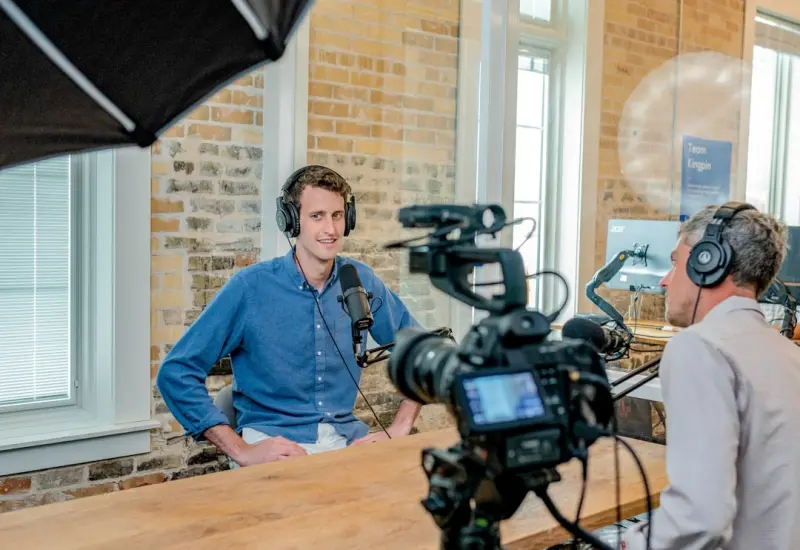
Success doesn’t require a Hollywood‑level studio; a reliable smartphone, a ring light, and a clear backdrop can produce professional‑grade video when paired with a stable internet connection and a simple streaming software that integrates directly with social platforms, and investing in a modest audio solution—such as a lapel mic—ensures that the host’s voice remains crisp, cutting through background noise that could otherwise erode viewer trust. I recommend starting with a single, well‑defined product narrative per broadcast, scripting key talking points while leaving room for authentic interaction, because the balance between preparation and spontaneity is where the magic happens and where the audience feels they’re part of an exclusive, behind‑the‑scenes moment. Once the technical basics are in place, you can layer in interactive features like polls, limited‑time discount codes, and real‑time inventory alerts to keep the momentum high and the checkout path frictionless.
Choosing the Right Platform for Your Audience
Each social channel offers a distinct set of live‑stream capabilities, from TikTok’s rapid‑fire video loops to Instagram’s integrated shopping tags, and the decision should hinge on where your target demographic spends the most time, as well as the native e‑commerce tools each platform provides; for instance, Facebook Live’s “Shop Now” button ties directly into a catalog, while YouTube’s live‑chat moderation tools allow for large‑scale Q&A sessions without losing control of the conversation. It’s also crucial to consider the discovery algorithm—some platforms prioritize fresh live content in the feed, granting organic reach that can dwarf paid promotion, especially when the broadcast garners high engagement within the first few minutes. By aligning platform strengths with brand goals, you ensure that the investment in production translates into measurable traffic and, ultimately, sales.
Integrating Live Data into Your SEO and Content Strategy
Live streams generate a surge of user‑generated content—comments, questions, and timestamps—that can be harvested to enrich your website’s entity‑driven SEO strategy, allowing you to map emerging consumer intents to specific product pages and create long‑tail landing pages that capture post‑broadcast search interest, thereby extending the lifespan of the event beyond the few minutes it aired. By feeding the most common viewer queries into a structured FAQ or a blog recap, you not only improve your site’s relevance for those queries but also signal to search engines that your brand is actively addressing real‑world concerns, a factor that can boost rankings in both traditional and voice‑search results. This synergy turns a single live event into a multi‑channel content asset, amplifying reach and reinforcing authority across your digital ecosystem.
Leveraging Real‑Time Social Listening for Immediate Optimization
During a broadcast, the live chat functions as a real‑time focus group, offering a window into audience sentiment that can be acted upon on the fly; by monitoring keywords and sentiment spikes, you can pivot the script, highlight a product feature that resonates, or address a concern before it becomes a barrier to purchase, and the data collected can be fed into a post‑event analysis to refine future messaging and product positioning. I often cross‑reference this live feedback with broader trends using the framework outlined in Turning Real‑Time Social Listening Into a Sustainable Growth Engine, which demonstrates how real‑time insights not only improve the current stream but also inform the next content calendar, ad targeting, and even inventory decisions. The result is a feedback loop where audience input directly shapes the brand narrative, fostering a sense of partnership that strengthens loyalty and boosts conversion rates.
Creating Urgency and Social Proof to Drive Purchases
One of the most potent psychological triggers in live‑stream commerce is scarcity; by announcing limited‑stock items, flash discounts, or exclusive bundles that disappear when the timer hits zero, you tap into the fear of missing out, compelling viewers to act before the opportunity vanishes, and the real‑time nature of the broadcast means that the countdown is both visible and verifiable, reinforcing trust. Simultaneously, showcasing live purchase notifications—where a “John from Austin just bought the XYZ blender”—provides social proof that others are buying, a factor that can sway hesitant viewers by demonstrating that the product is both desirable and trustworthy, and these moments can be captured and repurposed as testimonial snippets in future marketing assets. Combining urgency with visible social proof creates a compelling sales engine that transforms passive watchers into active buyers in a matter of seconds.
Measuring Success: Metrics That Matter Beyond Views
While concurrent viewership is a tempting headline metric, the real health of a live‑stream commerce effort lies in conversion‑focused data such as click‑through rate from the “Shop Now” button, average order value during the broadcast, and post‑session retention measured by follow‑up email opens and repeat purchases, and by integrating UTM parameters and pixel tracking, you can attribute revenue back to specific moments in the stream, pinpointing which product demos or audience interactions generated the highest ROI. I also recommend tracking the “engagement depth”—the average time each viewer spends in the chat, the number of comments per user, and the sentiment score of those comments—to understand not just how many people tuned in, but how deeply they were involved, because a highly engaged but smaller audience can out‑perform a larger, passive one in terms of sales. These insights empower you to iterate on format, timing, and promotional tactics, ensuring that every subsequent broadcast outperforms the last on both financial and community‑building dimensions.
Future Trends: From Live Streams to Immersive Shopping Experiences
As augmented reality filters and shoppable 3D models become more accessible, the line between live video and interactive storefronts will blur, allowing viewers to virtually try on a piece of clothing or see a gadget in their own space with a simple tap, and brands that experiment with these immersive layers early will set new standards for engagement, capturing both the excitement of a live demo and the tactile confidence of a physical try‑on. Moreover, the rise of decentralized video platforms promises creators greater control over data and revenue, potentially reshaping the economics of live commerce and giving audiences a more authentic, ad‑free experience that aligns with the growing demand for transparency. Staying ahead of these innovations will require a blend of technical curiosity, strategic partnership, and a willingness to experiment with formats that feel as natural as a casual conversation yet as persuasive as a polished sales pitch.

Craig Brett is a freelancer with a passion for the outdoors. His love for nature inspires his work, bringing authentic and engaging perspectives to projects related to outdoor activities, adventure, and environmental topics.
Related Posts
Turning Social Signals into Product Insights: A SaaS Playbook
Learn how to turn noisy social media chatter into clear product insight, predict churn, and boost ad... Read More
Why SaaS Brands Should Turn Social Media Into a Real‑Time Retention Engine
Social media isn’t just a broadcast platform; it’s a live feedback loop that can dramatically im... Read More
The Hidden Economics of Social Media Notifications: Turning Dings into Dollars
Explore the science behind social media notifications, from optimal send times to persuasive copy, a... Read More
Top Posts
The Evolution of Technical SEO: Navigating the Ever-Changing Landscape
Technical SEO is a rapidly evolving field, and staying up-to-date with the latest trends and best practices is crucial for digital marketers. Learn how to optim...Read More
Beyond Links: Mastering the New SERP Features for Real‑World Visibility
Explore the evolving SERP landscape—from AI‑driven answer boxes to visual search—and get proven strategies to secure brand visibility even when users donâ...Read More
Visual Search SERPs: How Image‑First Queries Are Redefining SEO
Explore the surge of visual search, learn technical fundamentals for image indexing, and get a strategic playbook to dominate image‑first SERPs and boost orga...Read More

Short‑Form Video: The Underrated Engine for B2B SaaS Demand Generation
Short‑form video is more than a trend; it’s a powerful, low‑cost tool that can drive qualified leads, nurture prospects, and accelerate revenue for B2B Sa...Read More
0 Comments
Post Comment
You will need to Login or Register to comment on this post!