
Why Search Intent Matters More Than Ever
When I first started optimizing for Google, I chased rankings like a dog chasing a car—keywords were the fuel, SERP positions the destination. Fast‑forward a few algorithm updates and a whole new reality has emerged: Google now rewards content that satisfies a user’s underlying intent, not just the words they type. The shift is subtle enough that many teams still write “keyword‑rich” copy, yet blatant enough that those who adapt see measurable lifts in engagement, qualified traffic, and ultimately, revenue.
In the SaaS world, where buying cycles are longer and the decision‑making process involves multiple stakeholders, aligning your SEO strategy with intent is a competitive moat. It means you’re not just answering a question; you’re anticipating a problem, guiding a prospect through the discovery phase, and positioning your solution as the obvious next step.
Mapping the Four Pillars of Intent
Google categorizes intent into four broad buckets: Informational, Navigational, Transactional, and Commercial Investigation. For B2B SaaS, the sweet spot lives in the latter two, but the first two are the gateway that primes a prospect for deeper engagement.
- Informational: The user seeks knowledge (“what is churn rate?”). This is your chance to demonstrate expertise and seed trust.
- Navigational: The user wants a specific site or tool (“HubSpot pricing”). Optimizing for branded queries ensures you capture traffic that is already aware of your name.
- Commercial Investigation: The user compares options (“best CRM for remote teams”). Here, you need comparative content, case studies, and side‑by‑side feature breakdowns.
- Transactional: The user is ready to buy (“sign up for a free trial”). Clear CTAs, pricing tables, and trust signals become critical.
Each pillar demands a different content format, SEO technique, and internal linking strategy. The magic happens when you connect these pieces into a logical journey that mirrors the buyer’s path.
From Research to Content: Building Intent‑Driven Clusters
My team treats intent as a hypothesis that must be validated. The process starts with search intent research—a blend of query analysis, SERP feature mapping, and user interviews. Once you’ve identified the high‑value intents for your target personas, you can craft a topic cluster that satisfies each stage of the funnel.
Here’s a practical workflow that works for SaaS marketers:
- Identify Core Topics – Use tools like Google Search Console, Ahrefs, and the next‑gen mobile SEO playbook to surface queries that align with your product’s core value propositions.
- Classify Intent – Tag each query with one of the four intent categories. Look for patterns: “how to reduce churn” is informational; “SaaS churn reduction software demo” is transactional.
- Design Content Types – Match intent to format:
- Informational → long‑form guides, FAQs, video tutorials.
- Commercial Investigation → comparison tables, buyer’s guides, case‑study roundups.
- Transactional → product pages, free‑trial sign‑ups, pricing calculators.
- Interlink Strategically – Use internal links to guide users from top‑of‑funnel guides to deeper, intent‑specific assets. Anchor text should be natural and intent‑focused (e.g., “compare SaaS churn tools” instead of “click here”).
- Validate with Data – Track engagement metrics (time on page, scroll depth) and conversion signals (MQLs, trial sign‑ups). If a piece underperforms, revisit the intent classification and adjust the content.
When you need a data‑backed approach to acquiring high‑quality backlinks for these clusters, I often turn to the research‑first link building playbook. It shows how to leverage industry reports and original research to earn authoritative links that reinforce the intent signals Google sees.
Testing, Measuring, and Iterating with Google Tools
Google provides a suite of insights that can tell you whether your intent mapping is on target:
- Search Console – Performance Report: Filter by query intent (e.g., “question” vs. “transaction”) to see CTR, impressions, and average position.
- Search Console – URL Inspection: Verify that Google perceives the page’s purpose correctly via the “Page Experience” and “Coverage” sections.
- Google Analytics – Behavior Flow: Visualize how users move from informational pieces to commercial or transactional assets.
- Google Optimize (or equivalent): Run A/B tests on CTA copy, schema markup, and layout variations to see which version better satisfies the underlying intent.
Remember, intent is fluid. A query that once served an informational purpose can evolve into a transactional one as the market matures. Regularly revisit your intent taxonomy—quarterly audits are a good rhythm for fast‑growing SaaS firms.
Putting It All Together: A Playbook for SaaS Teams
Below is a concise checklist you can embed in your SEO SOPs:
- Quarterly Intent Audit – Pull the top 100 queries for your brand, label intent, and flag any mismatches between SERP features and your current pages.
- Cluster Creation Sprint – For each high‑value intent, develop a pillar page (the “hub”) and 3‑5 supporting assets (the “spokes”). Assign owners for content creation, design, and SEO metadata.
- Schema & Structured Data – Implement FAQ, How‑To, and Review schema where appropriate. This helps Google surface your content directly in the SERP, aligning with the user’s intent without them having to click.
- Link Acquisition Strategy – Use research‑driven assets as link magnets. Pitch them to industry publications, partners, and community sites.
- Performance Dashboard – Combine Search Console, GA, and your CRM data to track intent‑specific KPIs: informational page views, MQL conversion rates from commercial guides, trial sign‑ups from product pages.
- Iterate – Set a 30‑day review cycle. If a commercial investigation piece isn’t moving prospects to trial, add more comparative data, embed a calculator, or improve internal linking from the informational hub.
By treating search intent as the north star of your SEO strategy, you turn a fickle algorithm into a predictable, user‑centric growth engine. It’s less about “ranking for the keyword” and more about “delivering the answer the user is looking for at the exact moment they need it.” When you master that balance, Google rewards you with visibility, and your prospects reward you with loyalty.

Nikki McDonald is a freelancer based in Waterloo. She brings her skills and expertise to various projects, balancing her professional work with a personal life that includes her husband, Stewart.
Related Posts

Empathy‑Driven SEO: How Human Insight Elevates Rankings
Learn why empathy is the new power move in SEO, how to craft human‑focused content, and turn relat... Read More
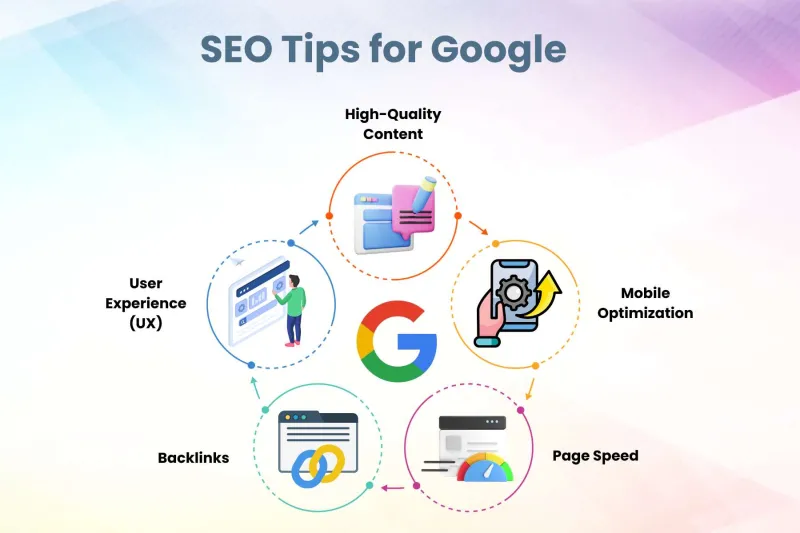
Google SEO Tips and Advice
Mastering Google SEO requires a shift from chasing algorithms to prioritizing user value. This guide... Read More

Why Google’s AI‑Driven Search Is the New Frontier for SaaS SEO
Google’s AI features are reshaping organic discovery. This guide shows SaaS marketers how to craft... Read More
Top Posts

Mapping Search Intent: A SaaS Playbook for Semantic SEO Mastery
Discover a step‑by‑step framework for turning raw search queries into intent‑driven content clusters, creating a semantic SEO architecture that fuels SaaS...Read More

Mobile SEO: The Game Changer in Digital Marketing
Mobile SEO is a game changer in digital marketing. Learn how to optimize your website for mobile search engines, improve your online visibility, and drive more ...Read More

The Rise of Meme Marketing: Turning Internet Humor Into Brand Power
Explore the power of meme marketing, from psychology and platform selection to measurement and future scaling, and learn how to turn viral humor into lasting br...Read More

Conversational Marketing: How Chatbots Are Redefining SaaS Lead Generation
Conversational marketing turns static website visits into dynamic, real‑time dialogues, helping SaaS companies capture higher‑quality leads, personalize exp...Read More
0 Comments
Post Comment
You will need to Login or Register to comment on this post!