

Why SEO Needs a Storytelling Mindset
For years I’ve watched SEO evolve from a checklist of technical tweaks to a discipline that now demands narrative precision. Search engines are no longer satisfied with isolated keyword hits; they crave the full context of a user’s journey. That shift means we must treat data like characters, intent like plot, and rankings as the climax of a well‑crafted story. When you frame your optimization strategy as a story, every piece of content becomes a chapter that moves the reader—and the algorithm—forward. It also forces you to ask the right questions: What problem am I solving? How does this piece fit into the larger narrative? By answering these, you create a cohesive experience that resonates both with humans and machines, setting the stage for sustainable authority.
Intent Clusters: The New Keyword Blueprint
The era of single‑keyword targeting is over. Today, successful SEO hinges on grouping related queries into intent clusters that reflect the various stages of a user’s decision process. Think of it as mapping a map of mental pathways rather than scattering pins on a board. A cluster might include informational queries like “how does semantic SEO work,” transactional phrases such as “buy SEO storytelling tool,” and navigational searches like “brody lambert SEO podcast.” By identifying these clusters, you can design content that addresses every nuance of the searcher’s mindset, ensuring no gap in the narrative. This approach also reduces keyword cannibalization, improves internal linking logic, and provides a clearer roadmap for content creators.
Mapping Content to Intent Clusters
Once you have your clusters, the next step is to align each piece of content with a specific intent. Start with a master spreadsheet that lists the primary cluster, sub‑intent, and a brief description of the user’s goal. Then, draft a content brief that outlines the angle, tone, and call‑to‑action tailored to that intent. Tools like Ahrefs, SEMrush, or even Google’s own Search Console can surface the most common queries within each cluster, but the real magic happens when you synthesize that data into a narrative brief. For example, an informational piece about “semantic SEO basics” should educate and set the stage for a later transactional guide on “best semantic SEO tools.” This progression mirrors a story arc, guiding the reader from curiosity to confidence, and finally to conversion.
Turning Analytics into Narrative Gold
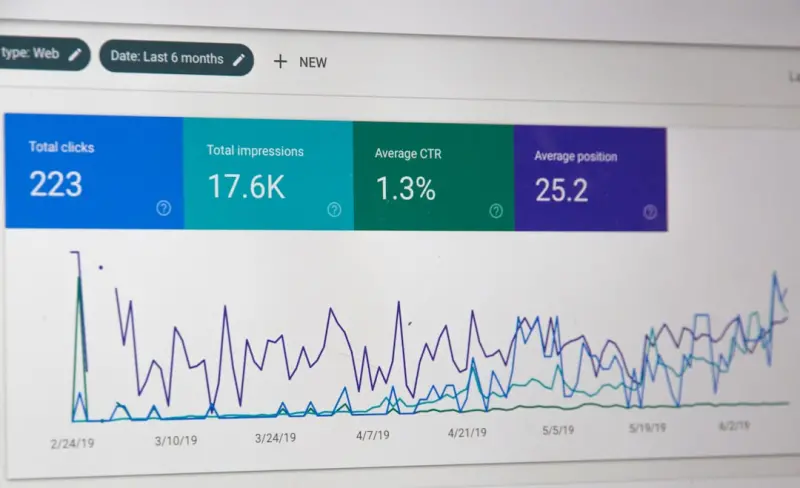
Data alone is dry; when you translate it into a story, it becomes compelling evidence that drives stakeholder buy‑in. Begin by pulling key performance indicators—organic traffic, click‑through rates, dwell time—and ask what they say about your audience’s journey. Are users lingering on “how‑to” articles but bouncing from product pages? That suggests a gap in the narrative transition from education to purchase. Visualize this with simple flowcharts or storyboard‑style slides that map user behavior across intent clusters. When you present the findings as a story of “discover, evaluate, decide,” executives can see the direct impact of SEO on revenue, not just rankings. This storytelling approach also highlights opportunities for content gaps, prompting strategic investments where they matter most.
AI‑Powered Content Briefs Aligned with Intent
Artificial intelligence has matured into a reliable co‑author for SEO, but only when you feed it the right narrative framework. Instead of asking an AI to “write about semantic SEO,” give it a brief that includes the intent cluster, target audience persona, and the desired emotional tone. The result is a draft that already speaks to the user’s needs and fits seamlessly into your broader story. For deeper integration, link this process to existing resources like Unlocking Mobile SEO: AI, Visual Search, and Performance Tactics, ensuring that AI‑generated content respects the technical constraints of your platform while staying on message. This synergy accelerates production, maintains consistency, and frees your team to focus on strategic storytelling rather than repetitive writing tasks.
Internal Linking: The Narrative Thread
Every story needs a connective tissue, and in SEO that tissue is internal linking. Think of each link as a breadcrumb that guides readers—and crawlers—through the plot you’ve constructed. When you design your site architecture around intent clusters, you can create logical pathways: an introductory “semantic SEO basics” article links to a deeper “semantic keyword research” guide, which then points to a case study showcasing real‑world results. This not only improves crawl efficiency but also reinforces the narrative hierarchy for users. Use descriptive anchor text that mirrors the next chapter’s intent, and consider adding contextual call‑outs like “Read the full case study here” to encourage deeper engagement. Properly executed, internal links become the spine of your SEO story, holding everything together.
Metrics That Matter: Beyond Rankings
Traditional SEO success metrics—rankings and backlinks—are still important, but they no longer tell the whole story. When you adopt a storytelling mindset, you should also track engagement indicators that reflect how well your narrative resonates. Metrics such as average session duration, pages per session, and content depth (scroll depth) reveal whether users are truly consuming the story or skimming past. Additionally, monitor conversion pathways that align with your intent clusters; a user who reads an informational piece and later completes a form signals a successful narrative arc. By tying these metrics back to specific chapters in your content map, you can pinpoint where the story succeeds and where it needs a rewrite.
Automation Pipelines: From Idea to Publish
Scaling a narrative‑driven SEO strategy requires a reliable automation workflow. Integrate your keyword research tool with a content management system (CMS) via APIs so that new intent clusters automatically generate brief templates. Use a project management board to assign writers, editors, and SEO reviewers, ensuring each piece follows the narrative guidelines. Once the draft is approved, trigger an SEO audit that checks for on‑page optimization, internal link placement, and schema markup before publishing. Finally, feed performance data back into your analytics dashboard to close the loop. This end‑to‑end pipeline reduces manual bottlenecks and keeps the story consistent across every piece of content, allowing your team to focus on creativity rather than coordination.
Future Outlook: The Story Continues
The SEO landscape will keep evolving, but the core principle remains: search engines reward content that tells a clear, helpful story. As AI becomes more sophisticated and user intent fragments further, the ability to weave data, intent, and narrative into a seamless experience will be your competitive edge. Start by auditing your existing content for narrative gaps, map new intent clusters, and embed storytelling into every workflow. When you do, you’ll notice not just higher rankings, but deeper engagement, stronger brand trust, and a measurable impact on the bottom line. The next chapter of your SEO journey is waiting—make it a story worth reading.

Brody Lambert is an emerging freelance writer whose fresh voice and thoughtful approach are quickly making their mark. As a fairly new entrant in the world of freelance writing, Brody brings a blend of curiosity and dedication that fuels every project, crafting stories and content that resonate with authenticity and clarity.
Related Posts

Semantic SEO Playbook: Entities that Drive SaaS Rankings
A step‑by‑step guide to semantic SEO for SaaS, showing how to create entity‑rich content hubs,... Read More
Entity‑Driven SEO: Mapping Topics to Trust and Visibility
Discover the power of entity‑driven SEO: a fresh, structured approach that turns topics into autho... Read More

The Future of SEO: How to Stay Ahead in a Rapidly Changing Landscape
Stay ahead in SEO with the latest trends and strategies. Learn how to optimize your website, leverag... Read More
Top Posts

Interactive Video: The New SaaS Marketing Engine
Interactive video is reshaping SaaS digital marketing by turning passive viewers into active participants, delivering richer data, higher conversion rates, and ...Read More

Voice‑First Local SEO: Turning Conversational Queries into Real‑World Customers
Discover a step‑by‑step voice‑first local SEO strategy that blends conversational content, schema markup, and community engagement to turn spoken queries ...Read More

Gamify Your Link Building: Contests, Leaderboards, and Real Results
Learn to turn link building into a competitive game with contests and leaderboards, unlocking high‑quality backlinks and sustained SEO momentum....Read More

Predictive Storytelling: Turning Data Into Magnetic Digital Campaigns
Learn how to blend predictive modeling, first‑party data, and storytelling to create magnetic digital campaigns that resonate, convert, and future‑proof you...Read More
0 Comments
Post Comment
You will need to Login or Register to comment on this post!