
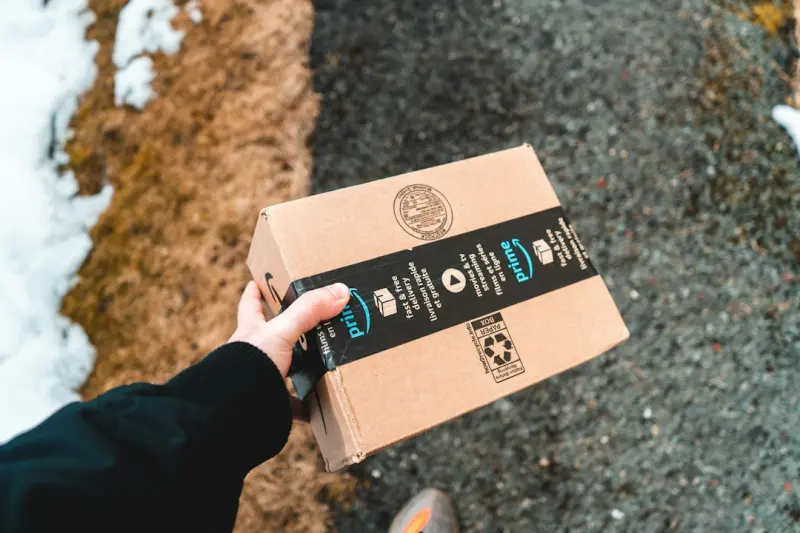
Opening the Box: How Sustainable Packaging Fuels Brand Loyalty
When I first started unboxing a friend’s latest subscription box, I expected the usual plastic‑clad surprise. Instead, I found a sleek, recyclable tote that felt more like a gift than a container. That moment sparked a revelation: packaging isn’t just a delivery vehicle—it’s a silent brand ambassador. In today’s crowded eCommerce arena, the tactile experience of opening a package can either reinforce trust or erode it in seconds. By choosing sustainable materials, you’re not only reducing waste; you’re crafting a story that resonates with eco‑conscious shoppers and differentiates your store before the first product even reaches their hands.
The Environmental Imperative Meets Business Opportunity
Consumers are louder than ever about climate concerns. Recent surveys show that over 70% of online shoppers consider a brand’s environmental stance when deciding where to spend. This isn’t a fleeting trend—it’s a shift in purchasing psychology. When you adopt sustainable packaging, you align with the values of a growing segment that is willing to pay a premium for responsibility. Moreover, the ripple effect extends beyond the purchase: satisfied customers become brand advocates, sharing their unboxing moments on social media, amplifying your reach organically.
Cost Savings Hidden in the Green Transition
It’s easy to assume that eco‑friendly packaging inflates costs, but the reality is more nuanced. By optimizing package size, you reduce dimensional weight fees charged by carriers. Lightweight, biodegradable materials can also cut shipping expenses. Companies that have audited their packaging supply chains often uncover redundant layers—think multiple boxes, excess filler, and oversized poly bags. Streamlining these elements not only trims material costs but also speeds up fulfillment, allowing you to handle higher order volumes without compromising the customer experience.
Designing for Delight: The Psychology of Unboxing
Human beings are hard‑wired to seek novelty. A well‑designed, sustainable package triggers a dopamine surge, creating a positive emotional imprint. This is the same principle behind immersive shopping experiences that delight senses beyond the screen. When the packaging itself feels premium, customers subconsciously attribute higher value to the product inside. Incorporating simple touches—a custom stamp, a handwritten thank‑you note, or a reusable tote—turns a routine delivery into a memorable brand touchpoint.
Regulatory Landscape: Staying Ahead of Compliance
Governments worldwide are tightening regulations on single‑use plastics and non‑recyclable materials. The European Union’s directive on packaging waste and several U.S. states’ bans on certain plastics are just the tip of the iceberg. By proactively shifting to sustainable packaging, you future‑proof your operations against upcoming mandates, avoiding costly retrofits and potential fines. Moreover, compliance can be a compelling marketing narrative, reinforcing your brand’s commitment to responsible commerce.
Choosing the Right Materials: A Practical Guide
Not all sustainable materials are created equal. Here’s a quick rundown of options that balance eco‑impact with functionality:
- Recycled Corrugated Cardboard: Strong, lightweight, and widely recyclable.
- Plant‑Based Bioplastics: Compostable alternatives that mimic traditional plastics.
- Reusable Fabric Bags: Ideal for subscription services and premium orders.
- Mushroom Mycelium Packaging: An innovative, biodegradable option for custom shapes.
When selecting a material, consider factors like product fragility, shipping distance, and end‑consumer disposal habits. Conducting a life‑cycle analysis can reveal hidden environmental costs and guide you toward the most responsible choice.
Integrating Sustainability into the Supply Chain
The journey doesn’t stop at the box. Collaborate with suppliers who share your sustainability ethos. Many manufacturers now offer carbon‑neutral printing inks and water‑based adhesives. Building these relationships early can unlock bulk pricing discounts and ensure consistency across all SKUs. Transparent communication with logistics partners also matters—opt for carriers that provide carbon offset options or use electric delivery fleets where available.
Measuring Impact: Metrics That Matter
To prove the ROI of sustainable packaging, track both environmental and business metrics. Key performance indicators include:
- Carbon Footprint Reduction: Measured in CO₂e per shipment.
- Packaging Waste Diversion Rate: Percentage of materials diverted from landfills.
- Customer Retention Rate: Changes after packaging overhaul.
- Social Share Volume: Unboxing posts and mentions on platforms like Instagram and TikTok.
By quantifying these metrics, you can build a compelling case for continued investment and refine your strategy over time.
Leveraging Data to Fine‑Tune Your Approach
Data isn’t just for pricing; it can also optimize packaging decisions. For example, analyzing order patterns reveals which products frequently ship together, allowing you to design modular packaging that reduces void space. Machine learning models can predict the optimal box size for a given order profile, minimizing waste and shipping costs. If you’re curious about how data can enhance other areas of your eCommerce operation, check out this piece on AI‑driven pricing strategies that drive margins while maintaining competitive pricing.
Storytelling Through Packaging Labels
Every piece of packaging is a canvas for your brand narrative. Use labels to share your sustainability journey—include QR codes that link to a short video about your sourcing practices or a carbon calculator showing the impact of the customer’s purchase. Transparency builds trust, and customers love to feel part of a larger mission. Moreover, these interactive elements encourage repeat visits to your website, opening doors for cross‑selling and upselling.
Turning Returns into Reuse Opportunities
Returns are a pain point for any eCommerce business, but they also present a chance to reinforce sustainability. Offer incentives for customers to send back packaging for reuse, or design containers that can be repurposed as storage solutions. Some brands have turned return boxes into seed‑filled planters, turning a logistical headache into a viral marketing moment. By closing the loop, you not only cut down on waste but also deepen the emotional connection with your audience.
Future Trends: The Rise of Circular Commerce
Looking ahead, the industry is moving toward a circular model where products, packaging, and materials flow in endless loops. Subscription services that automatically send refill packs in reusable containers are gaining traction. Brands are experimenting with take‑back programs where customers can send back empty containers for a discount on their next purchase. As these models mature, early adopters of sustainable packaging will find themselves at the forefront, shaping standards and consumer expectations.
Actionable First Steps for Your Brand
Ready to make the switch? Here’s a simple roadmap:
- Audit your current packaging: weight, dimensions, material composition.
- Identify the most wasteful elements and set reduction targets.
- Research sustainable material suppliers and request samples.
- Run a pilot with a single product line and gather customer feedback.
- Iterate based on data, then roll out across the catalog.
- Communicate the change transparently through email, product pages, and social media.
Remember, sustainability is a journey, not a destination. Each incremental improvement compounds over time, creating a ripple effect that benefits your bottom line, your brand reputation, and the planet.

When it comes to the world of blogging and writing, Rose DesRochers is a name that stands out. Her passion for creating quality content and connecting with her audience has made her a trusted voice in the industry. Aside from her skills as a writer and blogger, Rose is also known for her compassionate nature.
Related Posts

Level Up Your Store: Gamified Loyalty Loops That Keep Customers Coming Back
Gamified loyalty loops turn everyday shopping into a rewarding game, driving repeat purchases, highe... Read More

Beyond the Checkout: How Post‑Purchase Journeys Can Supercharge Your eCommerce Growth
The post‑checkout phase is a hidden goldmine; learn how to build a multi‑touch funnel, personali... Read More

The Future of eCommerce: Trends to Watch
The eCommerce industry is rapidly evolving, with new trends emerging every year. Stay ahead of the c... Read More
Top Posts

Unlocking Crawl Efficiency: Log File Analysis Meets Modern Technical SEO
Learn to harness server logs for smarter crawl budgeting, faster indexing, and a healthier site architecture—all without overhauling your code....Read More

The Ultimate Mobile SEO Audit Playbook Every SaaS Founder Needs
A step‑by‑step mobile SEO audit guide for SaaS companies, detailing technical foundations, content strategy, and user‑experience tweaks that turn search v...Read More

Decoding the New SERP Ecosystem: AI Summaries, Widgets, and the Future of Search
A fresh look at the evolving SERP: AI summaries, interactive widgets, and strategic content clusters that turn search pages into powerful brand touchpoints....Read More

Beyond Keywords: Crafting Intent‑First Content that Dominates Google
Discover a fresh, intent‑driven SEO approach that prioritizes user goals, structured data, and AI insights to outperform keyword‑centric tactics....Read More
0 Comments
Post Comment
You will need to Login or Register to comment on this post!