

Why SERP Volatility Is the Quiet Killer of SaaS Growth
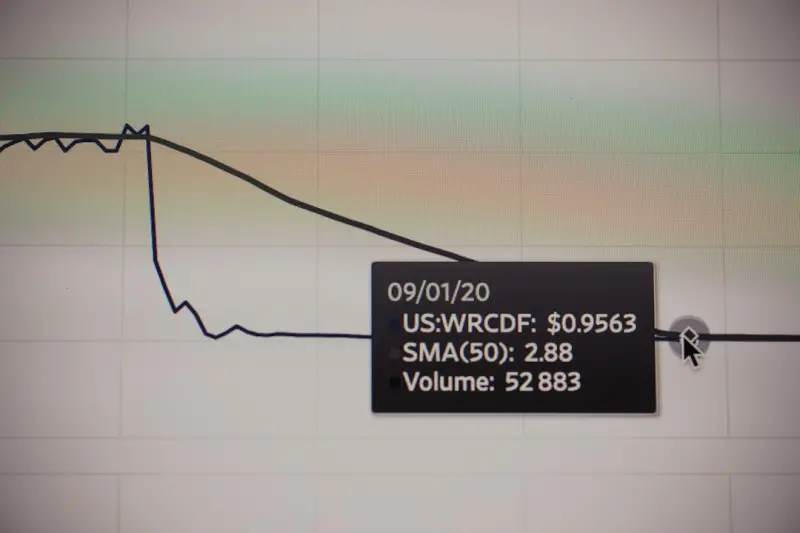
When I first stepped into the SaaS world, I thought the biggest SEO battle would be about building links or mastering keyword research. Those are still important, but the real hidden adversary shows up in the search results themselves: SERP volatility. One week your product page sits comfortably on page one, and the next it slips to page three without a single backlink lost or a content change made. The culprit? A constantly shifting SERP landscape.
What “SERP Volatility” Actually Means
In plain English, SERP volatility is the degree to which rankings fluctuate due to changes in the search engine results page. It’s not just about a ranking drop; it’s about the type of results that appear around you – featured snippets, “People also ask”, “Related searches”, and the ever‑expanding panel of AI‑generated SERP snippets. When Google experiments with new UI elements or rolls out algorithm tweaks, the entire SERP can be reshaped, and your SaaS offering may be pushed out of the spotlight.
The Two‑Layered Impact on SaaS Companies
SaaS products are uniquely vulnerable for two reasons:
- Long‑tail decision journeys. Prospects often research multiple features, integrations, and pricing models before signing up. If the SERP changes the visibility of those informational pages, the funnel can stall.
- High competition for the same intent. Competing SaaS vendors target the same keyword clusters (e.g., “project management software”), so any shift in SERP real estate can tip the scales dramatically.
The bottom line? Volatility isn’t a nuisance—it’s a growth risk that must be managed with the same rigor we apply to product development.
Mapping the Volatility Sources
Before you can defend against SERP volatility, you need to know what’s moving the needle. Here are the primary sources:
- Algorithmic updates. Google’s core updates, spam‑fighter tweaks, and relevance improvements can re‑rank pages overnight.
- New SERP features. The introduction of a “People also ask” box, a “Featured snippet carousel”, or a “Sitelinks search box” can steal clicks.
- Personalization layers. Search history, location, and device type now shape the results you see. A user on a mobile device might see a different SERP than a desktop user.
- Structured data roll‑outs. When Google expands support for schema types (e.g., FAQ, How‑to), pages that implement the markup gain an advantage.
- Competitor maneuvers. A rival’s fresh content, a new backlink, or a product launch can ripple through the rankings.
Data‑Driven Diagnosis: Turning Volatility Into Insight
The first step toward stability is measurement. Most SaaS teams already track keyword rankings, but they often treat the data as static snapshots. To catch volatility early, you need a time‑series analysis that highlights sudden swings.
Build a simple dashboard that:
- Shows daily rank positions for core keywords.
- Flags a change of three spots or more within a 48‑hour window.
- Correlates spikes with known events (Google updates, new schema roll‑outs, competitor releases).
Tools like Google Search Console’s “Performance” report, combined with a third‑party rank tracker, can feed this data into a Google Sheet or a BI platform. The key is to set up alerts so you’re not blindsided.
Strategic Pillars for Ranking Resilience
Once you understand the volatility patterns, you can apply a four‑pillar framework that I’ve refined over years of SaaS SEO work.
1. Diversify SERP Real Estate
Relying on a single ranking position is a recipe for disaster. Instead, aim to own multiple SERP features for the same keyword cluster:
- Featured snippets. Optimize for concise answers and use
<table>or<list>markup. - FAQ schema. Turn internal knowledge‑base content into semantic entities that Google loves.
- Sitelinks search box. Ensure your site architecture is clean and that your primary pages are clearly defined in the
<title>and<meta>tags. - Video carousels. Repurpose demo videos into short, captioned clips that can appear in the video pane.
When one feature drops, the others can pick up the traffic.
2. Future‑Proof Your Content Architecture
Google’s algorithm rewards content that answers a range of user intents. Instead of a single “product page”, create an intent hub:
- Top‑level pillar pages that map the broad problem space (e.g., “Enterprise Project Management”).
- Cluster pages that dive deep into specific features, use‑cases, or integrations.
- Support articles that answer micro‑questions (e.g., “How does X API handle rate limiting?”).
This structure not only improves internal linking but also gives Google multiple entry points to surface your content across diverse SERP formats.
3. Leverage Edge‑Optimized Delivery
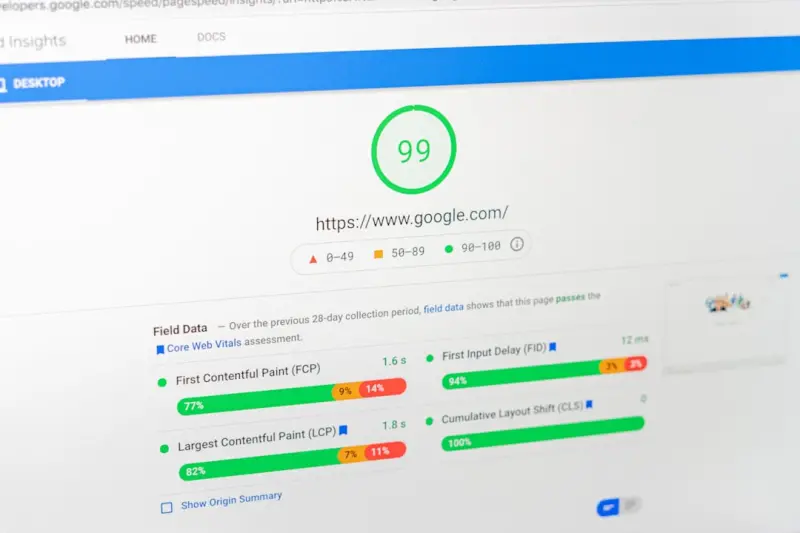
Speed is a ranking factor, but it’s also a buffer against volatility. When a page loads instantly, Google’s crawler sees a healthier site, and users are less likely to bounce. Implementing edge‑optimized SEO—using CDNs, serverless functions, and lazy loading—creates a performance cushion that can protect rankings during algorithmic turbulence.
4. Build a “SERP Change Playbook”
Think of this as a disaster‑recovery plan for your rankings. Your playbook should answer:
- Who monitors? Assign a SERP owner—typically an SEO lead.
- What triggers a response? Define thresholds (e.g., 5‑position drop in 48 hours).
- What actions are taken? A checklist might include:
- Audit structured data implementation.
- Refresh content to match emerging search intents.
- Run a quick internal backlink audit to ensure link equity isn’t leaking.
- Check for new competitor content that might be siphoning clicks.
- How is success measured? Track recovery speed (time to regain original rank) and traffic rebound.
Case Study: Turning a Volatile Keyword Into a Stable Asset
One of our SaaS clients—an HR automation platform—experienced a 7‑position tumble on “employee onboarding software” after Google introduced a new “People also ask” widget. Here’s how they applied the framework:
- Alert triggered. Their rank‑tracker flagged the drop.
- Quick audit. They discovered that a competitor had recently added structured FAQ markup targeting the same question that now appeared in the widget.
- Content pivot. The client rewrote their own FAQ page, added
FAQPageschema, and linked it from the pillar page. - Feature diversification. They also optimized a short demo video for the “Video carousel” feature.
- Recovery. Within two weeks, the original ranking returned, and the new FAQ snippet started pulling a 12% lift in click‑through rate.
This example shows that volatility isn’t a death sentence; it’s an opportunity to broaden your SERP footprint.
Preparing for the Next Wave of SERP Evolution
Google’s roadmap hints at more AI‑driven answer generation, multimodal results (combining text, video, and images), and deeper personalization. To stay ahead:
- Invest in AI‑assisted content creation. Tools that surface the most common user queries can help you pre‑empt new “People also ask” questions.
- Adopt a modular content approach. Store answers in a headless CMS so you can quickly repurpose them for emerging SERP slots.
- Monitor emerging schema types. Keep an eye on the Schema.org roadmap and experiment with beta markup as soon as it becomes available.
- Test on multiple devices. Use tools like Chrome’s Mobile Emulation to see how your pages appear on smartphone, tablet, and desktop SERPs.
Wrapping Up: From Reactive to Proactive SERP Management
In the SaaS world, growth is a marathon, not a sprint. SERP volatility is that unexpected hill you encounter mid‑race. By treating rankings as a living metric—monitoring, diversifying, and preparing for change—you transform a potential setback into a competitive advantage.
Remember, the goal isn’t just to “stay on page one” but to own the entire SERP ecosystem around your target queries. When you do, you’ll find that volatility becomes less of a threat and more of a catalyst for smarter, more resilient SEO.

William Roy is a freelance writer originally from Montreal who moved to Ottawa with his wife of 50 years to be closer to their grandkids. Alongside his writing, William has a passion for fishing.
Related Posts

Zero‑Click SERPs: How SaaS Marketers Can Win When Users Don’t Click
In the zero‑click SERP era, visibility replaces clicks as the primary growth driver for SaaS. This... Read More
Winning the Personalized SERP: How to Tailor Your Content for Each Searcher
Learn why SERPs are now uniquely tailored to each searcher and get actionable tactics—schema, cont... Read More
SERP Evolution: Turning Zero‑Click Features into Real‑World Leads
The SERP is no longer just a list of links—AI‑generated answers, knowledge panels, and personali... Read More
Top Posts

The Evolution of Social Media Marketing: Navigating the Shifting Landscape
Social media marketing is a rapidly evolving field. Stay ahead with the latest trends and best practices, and learn how to navigate the shifting landscape to dr...Read More

From Data to Delight: Mastering Experiential Attribution in Digital Marketing
Learn how to turn immersive brand experiences into actionable data, linking every physical and digital touchpoint to measurable ROI and long‑term brand equity...Read More

The Evolution of Local SEO: Strategies to Stay Ahead
Local SEO is rapidly evolving. Stay ahead with expert strategies on optimizing online presence, leveraging social media, and dominating local search to drive mo...Read More

The Evolution of Google SEO: Navigating the Ever-Changing Landscape
The evolution of Google SEO is a complex and ongoing process, driven by changing user behavior, technological advancements, and the increasing complexity of sea...Read More
0 Comments
Post Comment
You will need to Login or Register to comment on this post!