
Why Hyperlocal Beats Broad Reach
When you walk down Main Street and see a storefront that knows your name, you instantly feel a level of trust that a faceless national brand can’t replicate, and that same trust translates into higher conversion rates for businesses that prioritize hyperlocal relevance; the secret isn’t just proximity, it’s the emotional connection forged by speaking the language of the neighborhood, from slang to seasonal events. Hyperlocal SEO amplifies that connection by targeting the precise intent of a customer who is already out the door, searching for “best coffee near me” or “family dentist in your town,” and it does so by weaving community‑specific signals into every on‑page and off‑page element. In practice, this means shifting from generic city‑wide tactics to a micro‑focused strategy that mirrors the rhythms of the block, the park, the high school football schedule, and even the local farmer’s market, creating a digital presence that feels as natural as the storefront window display.
Voice Search & the Modern Business Profile
With the surge of voice‑activated assistants, more consumers are asking their phones, “Where can I find a pet groomer that’s open now?” and expecting an immediate, location‑aware answer, forcing businesses to rethink how they present information on their Google Business Profile so that the spoken query matches the displayed snippet without a click; this demands a conversational tone, up‑to‑date hours, and clear, concise descriptions that sound like a neighbor recommending a favorite spot. Optimizing for voice also means prioritizing “near me” modifiers and natural language patterns, because algorithms now parse the nuance of a user’s intent the way a human would, rewarding listings that answer questions like “Are there any late‑night pizza places within three miles?” with a direct, accurate response. The result is a voice‑first footprint that not only improves visibility in traditional search but also positions the brand as the go‑to answer in the burgeoning ecosystem of smart speakers and car dashboards.
Geo‑Specific Keyword Strategies
Instead of stuffing generic terms like “plumbing services,” the modern local marketer drills down to hyper‑specific combos such as “emergency pipe repair in Oakwood Village” or “eco‑friendly landscapers near Riverside Park,” embedding neighborhood landmarks, zip codes, and even local slang to capture the exact search intent of a passerby; these geo‑modifiers act like magnetic coordinates that draw the search engine’s attention to the most relevant audience at the exact moment they need a solution. Conducting keyword research at this granular level involves leveraging tools that surface “near me” queries, analyzing competitor listings, and mining social listening data to discover the phrases locals actually use when they talk about a product or service. By weaving these hyper‑localized terms into title tags, meta descriptions, and on‑page copy, you create a relevance signal that outperforms broader city‑wide competitors who rely on volume over precision.
Partnering With Your Neighborhood
One of the most underutilized levers in local SEO is the power of genuine community partnerships—whether it’s co‑sponsoring the high school’s annual fundraiser, providing discounts to members of the local rotary club, or hosting a pop‑up shop at the monthly farmer’s market, each collaboration generates organic mentions, backlinks, and social proof that search engines interpret as a strong endorsement of local authority. These relationships also open the door to relationship‑driven local citations from trusted institutions like the chamber of commerce, local news outlets, and neighborhood blogs, which carry far more weight than generic directory listings because they reflect real‑world credibility. When you align your brand with events that matter to residents—such as a charity run, a neighborhood clean‑up, or a holiday parade—you not only boost foot traffic but also create a ripple of user‑generated content that amplifies your online presence across reviews, social tags, and photo shares.
User‑Generated Content as a Local Trust Engine
Reviews, photos, and testimonials posted by actual customers act as social proof that search engines treat as a trust metric, especially when those pieces of content include location‑specific details like “the staff at the downtown bakery remembered my name and recommended the seasonal pumpkin scone.” Encouraging patrons to share their experiences on platforms such as Google, Yelp, and even Instagram with a branded hashtag not only enriches your digital footprint but also feeds the algorithm a steady stream of fresh, locality‑focused signals that keep your listing vibrant and relevant. To maximize impact, create a simple, on‑site prompt after each purchase—whether it’s a QR code on the receipt or an email follow‑up—inviting customers to leave a short, location‑highlighted review, and then showcase those authentic voices on your website and social channels to reinforce the community‑centric narrative.
Local Structured Data & Rich Snippets
Implementing schema markup that reflects local business details—such as opening hours, address, phone number, and service area—transforms a standard search result into a rich snippet that stands out in the SERP, giving users immediate answers and increasing click‑through rates without them having to scroll through multiple listings. While many SEO guides focus on generic “Organization” or “Product” schemas, the LocalBusiness schema provides a tailored set of fields that communicate your unique operating schedule, payment methods, and even the specific neighborhoods you serve, allowing search engines to match you with hyper‑specific queries like “vegan bakery open late in Midtown.” Pair this technical foundation with topic clusters for local relevance, ensuring that each cluster’s pillar page references the structured data, thereby reinforcing the thematic authority of your site in the eyes of both users and crawlers.
Earn High‑Quality Local Backlinks
Beyond the obvious directory submissions, the most potent backlinks come from community institutions that naturally earn editorial endorsement—think of a feature article in the town’s weekly newspaper about your store’s anniversary, a guest blog on the local tourism board’s site highlighting hidden gems, or a sponsorship badge on the city’s official events calendar. These links not only pass link‑juice but also embed your brand into the fabric of local online ecosystems, signaling to search engines that you are an integral part of the community’s digital narrative. To attract these coveted mentions, craft personalized outreach pitches that emphasize mutual benefit—such as offering a discount to the newspaper’s readers or providing expert commentary for a municipal blog—making it easy for the host to showcase your business as a valued partner rather than a generic promotional plug.
Tracking Real‑World Impact
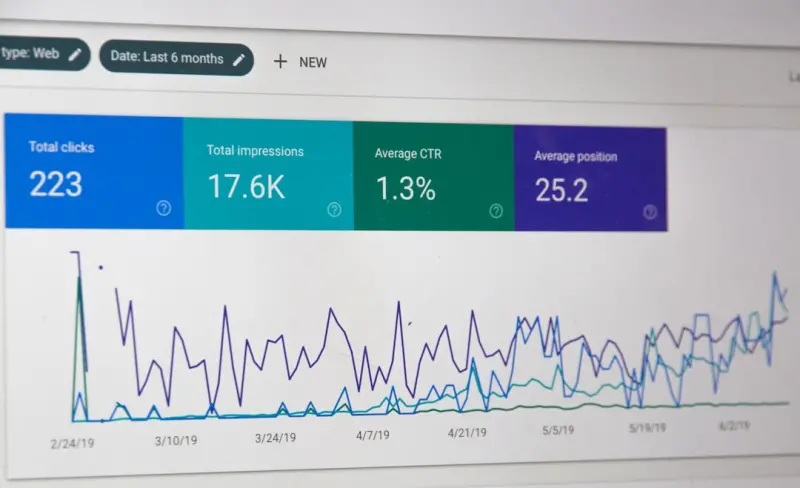
While rankings are important, the ultimate goal of hyperlocal SEO is to drive foot traffic, phone calls, and in‑store sales, so integrating offline data—like POS transactions, call‑tracking numbers, and foot‑fall analytics—into your reporting framework provides a clear picture of how digital efforts translate into tangible revenue. Tools that combine Google Analytics with CRM data enable you to map a surge in “near me” searches directly to a spike in in‑store purchases, allowing you to attribute ROI to specific campaigns such as a neighborhood event sponsorship or a voice‑search optimized blog post. By visualizing this correlation in weekly dashboards, you can quickly identify which tactics are delivering the highest conversion lift and double down on those high‑performing strategies, ensuring that every minute spent on local optimization yields measurable business growth.
Preparing for the Next Wave of Local Search
The future of local discovery is rapidly shifting toward AI‑driven assistants that anticipate user needs before the query is even spoken, meaning businesses must proactively feed their data into emerging knowledge graphs and maintain a robust presence across voice‑first platforms, augmented reality maps, and even smart‑city dashboards that surface local recommendations in real time. Staying ahead requires a continuous audit of your digital assets to ensure consistency across NAP (Name, Address, Phone) listings, the freshness of your Google Business Profile, and the relevance of your localized content, because any discrepancy can confuse both the algorithm and the consumer, leading to missed opportunities. By embracing a mindset of perpetual local relevance—regularly updating event calendars, refreshing community‑centric blog posts, and nurturing neighborhood partnerships—you position your brand to capture the next generation of “instant‑local” searches that will define the retail landscape for years to come.
Actionable Hyperlocal Checklist
To translate these insights into daily practice, start by auditing your Google Business Profile for voice‑friendly descriptions, verify that all NAP data is uniform across listings, and embed LocalBusiness schema on every service page; next, conduct a hyper‑specific keyword audit focusing on neighborhood landmarks, zip codes, and colloquial terms, then weave those terms into new blog posts that serve as pillar content for topic clusters for local relevance. Finally, schedule at least one community partnership each quarter—whether it’s a joint event, a local sponsorship, or a guest post on a neighborhood site—and track the resulting traffic and sales spikes using a combined analytics and POS dashboard, refining your approach each cycle based on real‑world performance data. Follow this loop of optimization, partnership, measurement, and iteration, and you’ll watch your hyperlocal visibility—and your bottom line—grow in tandem.

Nikki McDonald is a freelancer based in Waterloo. She brings her skills and expertise to various projects, balancing her professional work with a personal life that includes her husband, Stewart.
Related Posts

Empathy‑Powered Local SEO: Winning Your Neighborhood Market
Learn how a human‑centric, empathy‑driven approach to local SEO transforms community searches in... Read More

Micro‑Local Content Hubs: Turning Your Neighborhood Into a Ranking Engine
Learn how to map, create, and promote micro‑local content hubs that turn neighborhood stories into... Read More
Local SEO in 2026: Authentic Strategies to Dominate Your Neighborhood
A fresh look at local SEO in 2026, combining AI tools, genuine community ties, and technical excelle... Read More
Top Posts

Interactive Video Funnels: Turning Viewer Engagement Into Conversions
Learn why interactive video is reshaping digital marketing, how to harvest actionable data, and steps to build shoppable, personalized video funnels that conver...Read More

Why SERPs Are the Real Battleground in 2024 – Kelly Reynolds' Playbook
In 2024, SERPs have become the fiercest arena for brands. Kelly Reynolds shares her insider playbook, highlighting AI‑driven features, mobile nuances, and pro...Read More

How PWAs Supercharge Mobile SEO for SaaS Products
Progressive Web Apps combine speed, offline access, and app‑like experiences, delivering the performance signals Google rewards. Learn a step‑by‑step PWA ...Read More

The Intersection of Social Media and SEO: A Winning Strategy
Social media and SEO are closely linked. A well-crafted social media strategy can improve your website's search engine rankings and drive more traffic to your w...Read More
0 Comments
Post Comment
You will need to Login or Register to comment on this post!