
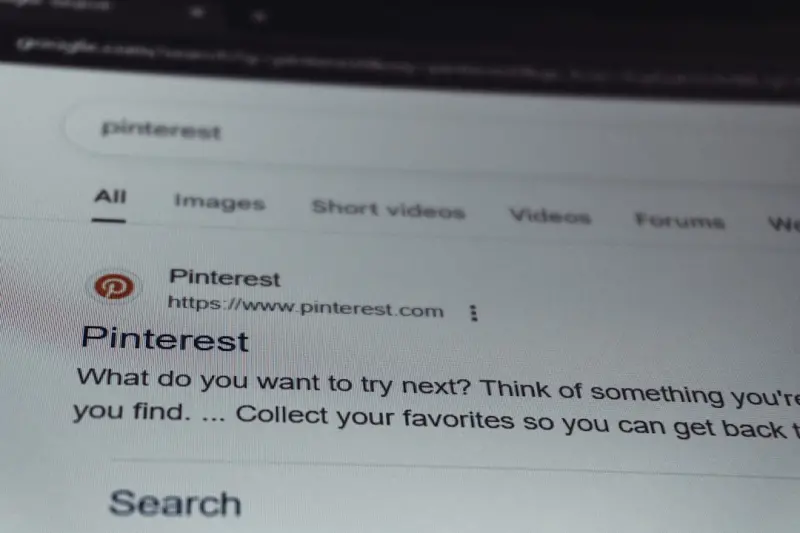
When I first saw a search result that answered my question without me ever clicking a link, I felt a mix of awe and anxiety. Awe because Google had somehow anticipated exactly what I needed, and anxiety because my website—a SaaS solution I’d spent months polishing—was nowhere in sight. That moment sparked a deep dive into the world of zero‑click SERPs, and what I discovered reshaped how I think about organic traffic.
The Zero‑Click Landscape Is No Longer a Niche
Zero‑click searches are no longer an anomaly reserved for weather forecasts or quick facts. Recent data shows that more than 50 % of all queries now result in zero clicks, with the percentage climbing faster for mobile users. For SaaS companies, this shift is a double‑edged sword: on one side, your brand can appear in a highly visible SERP feature, but on the other, the traditional click‑through funnel is bypassed.
The challenge isn’t just to appear; it’s to capture value when the user never visits your site. That means rethinking content, technical SEO, and even product messaging to thrive in a world where the SERP itself is the first—and sometimes only—touchpoint.
Mapping Zero‑Click SERP Features to SaaS Buyer Journeys
Before you can optimize for zero‑click, you need to understand the terrain. Below is a quick map of the most common SERP features and the stages of a SaaS buyer’s journey where they can deliver the most impact.
- Featured Snippets – Ideal for early‑stage awareness. Answer “What is X?” questions with concise, authoritative copy that positions your product as a solution.
- People Also Ask (PAA) – Great for nurturing curiosity. Each accordion can surface sub‑questions that align with your product’s use cases.
- Knowledge Panels – Perfect for brand credibility. Populate with company facts, key executives, and core value propositions.
- Local Packs – Even B2B SaaS can leverage if you have a physical office or regional presence. Highlight local events or meetups.
- Rich Answers & Instant Answers – Use for quick calculations, pricing estimates, or feature comparisons that users often seek before committing.
- Video Carousels – If you have product demos, tutorials, or customer testimonial videos, they can dominate the SERP without a click.
Each of these features provides a distinct avenue to embed your brand narrative directly into the search experience.
Strategic Foundations: Content Architecture Meets SERP Design
My first breakthrough was realizing that the traditional blog‑post‑or‑landing‑page hierarchy doesn’t translate well to zero‑click optimization. Instead, I began structuring content around search intent clusters that mirror the format of SERP features.
- Identify high‑value queries that trigger zero‑click results. Tools like Ahrefs’ SERP features report or Google Search Console’s “Search appearance” tab are indispensable.
- Design modular content blocks that can be pulled into snippets, PAA, or rich answers. Think of each block as a self‑contained answer to a single question.
- Tag each block with schema markup that matches the target SERP feature. While structured data is a familiar concept, the key is to apply it at the granular level—FAQPage for each question, Product for each pricing element, and VideoObject for demos.
- Test and iterate based on SERP impressions. Unlike traditional rankings, you’ll often see a spike in impressions without a corresponding click‑through, which is a signal that you’re successfully occupying a zero‑click real‑estate.
For a deeper dive on schema implementation, see Structured Data: SaaS SEO’s Hidden Advantage. The article walks through practical schema examples that go beyond the basics.
Crafting Snippet‑Ready Copy: The Art of Brevity and Authority
Google’s algorithms favor answers that are both concise and authoritative. Here’s how I approach writing for snippets:
- Lead with the answer. The first 40‑50 characters should directly address the query.
- Support with a single statistic or fact. Numbers add credibility and often get pulled into the snippet.
- Include a branded phrase. Even if the snippet is short, a subtle brand mention can reinforce awareness.
- Format for readability. Use bullet points, numbered steps, or tables when appropriate; Google loves structured presentation.
Example: If the query is “How does SaaS pricing work?”, a snippet‑ready answer could read:
SaaS pricing typically follows a subscription model, charging users a recurring fee based on usage tiers. For instance, Basic plans start at $29/month, while Enterprise tiers can exceed $1,000/month.
This answer is succinct, includes a concrete figure, and subtly mentions a brand‑like tiering structure.
Leveraging Video for Zero‑Click Dominance
Video carousels are one of the fastest‑growing SERP features. For SaaS, a well‑crafted demo video can appear above traditional organic results, delivering brand exposure without a click. To maximize this opportunity:
- Host videos on YouTube with clear, keyword‑rich titles and descriptions.
- Include
VideoObjectschema on the landing page where the video is embedded. - Optimize the thumbnail to convey a clear value proposition—think “Watch a 2‑minute ROI calculator demo”.
- Encourage closed captions; they improve accessibility and provide additional textual signals for search.
When I added a 90‑second “quick start” video for my product’s onboarding flow, the video appeared in the carousel for several high‑intent queries within weeks, driving a noticeable lift in brand‑search impressions.
Zero‑Click as a Lead Magnet: Capturing Users Who Don’t Click
Just because a user doesn’t click doesn’t mean the interaction ends. Here are three tactics to turn passive exposure into active leads:
1. Call‑to‑Action in the Snippet
Google now allows “featured snippet extensions” that can include a short CTA, such as “Free trial – 14 days”. While you can’t directly control the CTA, aligning your content with the snippet format (e.g., using “Free trial” language within the answer) nudges Google toward showing it.
2. Structured Data for “Speakable” Content
For queries that trigger voice assistants, implementing the “Speakable” schema can cause your answer to be read aloud. Pair this with a prompt like “Visit our site for a full demo” in the spoken text, creating an auditory CTA that drives the listener to click.
3. Real‑Time Personalization via SERP Features
Google’s “Top Stories” and “Carousel” elements can be fed with dynamic content through JSON‑LD. By integrating a real‑time pricing widget or a countdown timer into your schema, you can create a sense of urgency that compels users to click even from a zero‑click environment.
Technical Considerations: Crawl Budget and Zero‑Click
Zero‑click optimization often requires a proliferation of small, snippet‑friendly pages. This can strain your crawl budget if not managed carefully. Here’s how to keep Google happy while expanding your zero‑click footprint:
- Consolidate similar answers. Use canonical tags to point duplicate content to a master page.
- Leverage
robots.txtwisely. Block low‑value, thin pages from being crawled, but allow Google to index the snippets you want to target. - Monitor via Search Console. Look for “Crawl anomalies” and “Coverage” reports that highlight pages being dropped from the index.
For a deeper technical walkthrough, check out Crawl Budget Mastery: Technical SEO Tactics SaaS Teams Miss, which outlines how to protect your core pages while experimenting with new snippet targets.
Measuring Success Beyond Clicks
Traditional SEO metrics—organic traffic, CTR, and conversions—won’t fully capture zero‑click performance. I track the following KPIs instead:
- Impression Share in SERP Features. The proportion of times your brand appears in a featured snippet, PAA, or video carousel.
- Brand Search Lift. Increases in branded queries after a prominent zero‑click appearance.
- Engagement on Secondary Channels. Look for spikes in direct traffic or referral traffic from platforms that embed Google results, like Reddit or niche forums.
- Lead Generation from SERP‑Triggered Calls. For “Speakable” snippets, track inbound phone calls or form submissions that reference the snippet source.
By aligning these metrics with revenue goals, you can justify investments in zero‑click strategies to stakeholders who still think “traffic equals revenue”.
Future‑Proofing: The Role of AI‑Generated SERPs
Google’s AI models are increasingly generating entire answer blocks on the fly, sometimes pulling from multiple sources. This means that your content must be both authoritative and easily digestible for AI summarization. To stay ahead:
- Maintain a clear knowledge graph for your brand—internal wikis, product documentation, and press releases should be interlinked and consistently branded.
- Adopt semantic HTML (e.g.,
<article>,<section>,<header>) so AI can parse sections accurately. - Regularly audit the “People also ask” section for your brand. If AI is pulling inaccurate info, file a removal request and update the source content.
In essence, treat AI as another crawler—one that values clarity, authority, and freshness.
Putting It All Together: A 30‑Day Zero‑Click Sprint
To illustrate how you can operationalize these concepts, here’s a pragmatic 30‑day plan:
- Week 1 – Research & Prioritization
- Identify 20 high‑intent queries that already trigger featured snippets or PAA.
- Map each query to a specific SERP feature you want to dominate.
- Week 2 – Content Creation
- Write or repurpose content into snippet‑ready blocks (150‑200 words each).
- Apply appropriate schema markup (FAQPage, HowTo, VideoObject).
- Week 3 – Technical Rollout
- Deploy new pages, set canonical tags, and adjust
robots.txtas needed. - Submit URLs via Search Console for rapid indexing.
- Deploy new pages, set canonical tags, and adjust
- Week 4 – Measurement & Optimization
- Monitor impressions, brand search lift, and any new SERP features.
- Iterate on copy that isn’t being picked up; test alternate phrasing.
At the end of the month, you should have a measurable increase in SERP visibility, even if click‑through rates remain modest. That visibility translates into brand equity—a silent but powerful driver of future conversions.
Conclusion: Embrace the Zero‑Click Era, Don’t Fight It
Zero‑click SERPs are not a death knell for SaaS traffic; they are a new frontier where the search results themselves become a medium for brand storytelling. By aligning your content architecture, schema implementation, and measurement frameworks with the realities of zero‑click behavior, you can turn what looks like a loss of clicks into a gain of exposure, authority, and ultimately, qualified leads.
Remember, the goal isn’t just to appear in the SERP—it’s to embed your value proposition into the very answers users rely on, making your brand the first thought when they’re ready to move beyond the snippet.

William Roy is a freelance writer originally from Montreal who moved to Ottawa with his wife of 50 years to be closer to their grandkids. Alongside his writing, William has a passion for fishing.
Related Posts
The Shifting Landscape of Google SERPs: What You Need to Know
Google's SERPs are evolving rapidly, driven by voice search, AI, and machine learning. Stay competit... Read More
Beyond the Text Box: How Visual SERP Features Are Redefining Search Visibility
Visual SERP features like image carousels and video previews are stealing the spotlight from traditi... Read More
The Empathy‑Driven Evolution of SERPs: How Human‑Centric Signals Are Redefining Rankings
Explore why empathy now drives SERP performance, with practical steps to align your SEO strategy wit... Read More
Top Posts

Human‑Centric Social Media: Turning Talk Into Real Growth
A fresh look at social media marketing that puts empathy before algorithms, showing how real conversations can become measurable growth and lasting brand loyalt...Read More
Privacy‑First Paid Media: How Data Clean Rooms Are Redefining Digital Advertising
Data clean rooms let SaaS marketers build accurate, privacy‑first audiences, measure lift without direct clicks, and collaborate on creative—all while stayi...Read More

The Empathy Revolution: Redefining Social Media Success
Explore the power of empathy‑driven social media, where listening beats selling, turning conversations into lasting brand growth and authentic community....Read More
AI-Generated SERP Snippets: What They Mean for Your Visibility
Explore the rise of AI‑generated SERP snippets, why traditional SEO tactics need a refresh, and actionable strategies to guide the algorithm and boost visibil...Read More
0 Comments
Post Comment
You will need to Login or Register to comment on this post!