

Why Traditional Link Building Is Losing Its Edge
When I first dove into link building, I chased every .edu, .gov, and high‑authority domain like a kid hunting candy. Over time, Google’s algorithms have become savvier, rewarding relevance and user value over sheer volume. Today, a single, well‑crafted link from a niche‑specific source can outweigh dozens of generic mentions, especially when it’s embedded in content that solves a real problem.
My recent outreach experiments revealed that brands relying solely on directory submissions or automated tools are hitting a plateau. The search landscape now favors contextual relationships—think of links as endorsements from trusted peers rather than mere citations. This shift forces us to rethink the entire acquisition process, from prospecting to the actual content we create for the link.
To stay ahead, we must blend creativity with data, turning link building into a strategic partnership. When you treat each link as a mini‑campaign, you not only earn authority but also drive measurable traffic and brand awareness. The secret? Aligning your link targets with assets that naturally invite clicks, shares, and deeper engagement.
Data‑Driven Outreach: Turning Numbers Into Conversations
One of the most powerful tools in my arsenal is a simple spreadsheet that maps out content gaps across the web. By analyzing the top‑ranking pages for your target keywords, you can spot missing pieces—like a missing chart, case study, or interactive calculator. Those gaps become your outreach goldmine.
For instance, I recently identified a trending topic in sustainable packaging that lacked a comprehensive visual guide. I built a concise, data‑rich infographic and reached out to a handful of eco‑focused blogs. The response was overwhelming; each site loved the ready‑to‑publish asset, and we secured high‑quality backlinks that also drove referral traffic.
Data‑driven outreach isn’t just about finding gaps; it’s about proving relevance with hard evidence. When you can show a prospect exactly how your content will enhance their page’s value—using metrics, user intent, and engagement forecasts—they’re far more likely to say yes. This approach also shortens the negotiation cycle, turning what used to be weeks of back‑and‑forth into a single, compelling email.
Interactive Content as a Magnet for Natural Links
Interactive tools—think calculators, quizzes, or custom maps—have a magnetic pull for backlinks because they offer tangible value that readers can embed or reference. I recall launching a “ROI Calculator” for e‑commerce advertisers, and within weeks, industry blogs and forums were linking back as a trusted resource.
The key is to keep the tool lightweight, mobile‑friendly, and shareable. Add a clear embed code and a call‑to‑action that encourages users to credit the source. When your tool solves a specific pain point, it becomes a natural citation for anyone writing about that topic.
Beyond the immediate SEO benefit, interactive content fuels brand authority. When users spend minutes engaging with your tool, the dwell time spikes, sending positive signals to search engines. This combination of user satisfaction and backlink acquisition creates a virtuous cycle that amplifies both traffic and rankings.
Leveraging Micro‑Influencers for Targeted Links
Micro‑influencers—those with 5K‑50K followers—often operate in tight‑knit niches and command high levels of trust. I’ve partnered with several of them to co‑create content that naturally includes a backlink to my site. Because their audiences see them as experts, the links carry genuine endorsement value.
When approaching a micro‑influencer, focus on mutual benefit. Offer them exclusive data, a bespoke piece of research, or a co‑branded asset they can share with their community. In return, ask for a mention or a link within a blog post, newsletter, or social update. This reciprocal model feels authentic and avoids the spammy vibe of traditional link swaps.
These collaborations often yield high‑engagement metrics—comments, shares, and clicks—that further boost the link’s SEO potency. Plus, the niche relevance aligns perfectly with Google’s emphasis on topical authority, making these micro‑influencer links especially valuable in the long run.
Podcast Guesting: Audio Links That Echo in Search Results
Podcasts have exploded into a mainstream medium, and guest appearances are an underutilized link building avenue. When I was invited to discuss “Data‑Driven Outreach” on a marketing podcast, the host included a detailed show note with a backlink to my latest guide.
Audio content often ranks in Google’s “People Also Ask” and “Related Searches” sections, providing an additional SERP real‑estate for your brand. Even though the link lives in a show note, the surrounding context and the podcast’s authority amplify its impact.
To maximize this tactic, prepare a concise, value‑packed pitch that highlights a unique angle you can discuss. Offer the host a ready‑made transcript or a custom graphic they can embed, making it easy for them to link back to you. The result is a high‑quality backlink coupled with brand exposure to a new, engaged audience.
Community Sponsorships: Building Authority While Giving Back
Local meetups, hackathons, and niche webinars present a perfect blend of community support and link acquisition. By sponsoring an event, you often secure a backlink from the event’s official page—a natural, context‑rich endorsement.
My team recently sponsored a regional data‑analytics summit, and the organizer placed our logo and a link on the event site, speaker bios, and post‑event recap. Not only did this boost our backlink profile, but the traffic from attendees seeking resources also surged.
When selecting sponsorships, prioritize events that align with your industry or target audience. The relevance factor amplifies the SEO benefit, while the goodwill generated strengthens long‑term relationships that can lead to future collaborations and more organic links.
Strategic Guest Blogging with a Twist
Guest blogging isn’t dead; it’s evolved. Instead of generic articles, I now propose “data‑driven case studies” that showcase real results using the host’s audience data. This approach provides fresh, exclusive content for the host while granting me a contextual backlink.
For example, I partnered with a SaaS blog to produce a case study on how their platform improved conversion rates for a client in the health sector. The host loved the unique insight, and the resulting post earned a high‑authority backlink, social shares, and referral traffic.
To make this work, ensure your pitch includes a clear outline, data sources, and a compelling hook that aligns with the host’s readership. When the content delivers genuine value, the link becomes a natural part of the narrative rather than a forced insertion.
Link Building Through Thought Leadership Platforms
Platforms like Medium, LinkedIn Articles, and industry-specific knowledge bases allow you to publish in‑depth pieces that can attract backlinks organically. I recently published a comprehensive guide on “Semantic Clustering Strategies” on a leading SEO forum, which earned multiple backlinks from related articles.
When crafting such pieces, focus on evergreen topics that answer lingering questions in your niche. Embed original research, charts, and actionable takeaways. These assets become reference points that other creators cite, creating a ripple effect of backlinks over time.
Don’t forget to cross‑link within your own ecosystem. Linking from your main site to your thought leadership pieces reinforces the internal link structure and signals to search engines the importance of these resources.
Measuring Success: From Link Equity to Business Impact
All these tactics sound great, but the real test lies in measurement. I track each backlink’s domain authority, referral traffic, and conversion metrics using a combination of Google Analytics, Ahrefs, and custom UTM parameters. This data tells me which strategies deliver not just SEO juice but tangible business results.
For instance, the interactive ROI calculator generated a 2.5% conversion rate on its landing page, far exceeding the average. Meanwhile, micro‑influencer links contributed to a 15% lift in organic search clicks for targeted long‑tail keywords. These insights help me allocate resources to the highest‑ROI activities.
Regular reporting also uncovers hidden opportunities. If a particular backlink spikes in traffic, I can reach out to the site for a deeper partnership or repurpose the content for a new campaign. This iterative loop ensures that link building remains a dynamic, growth‑driven engine rather than a static checklist.

Brandy Miller is a dynamic freelance writer based in the vibrant city of Cambridge, Ontario. With a passion for storytelling that knows no bounds, she crafts compelling narratives that captivate and inspire. Brandy’s love for writing shines through in her versatile work, whether she’s penning thought-provoking articles or engaging content that resonates with readers. Her unique perspective and friendly tone make her a sought-after voice in the writing community. When she’s not weaving words together, you can find her exploring the beautiful landscapes of Ontario, always seeking new adventures and inspiration for her next piece. Brandy is not just a writer; she’s a creative force, making her mark one word at a time.
Related Posts

The Art of Link Building: A Comprehensive Guide to Staying Ahead
Link building is a complex and ever-evolving field that requires a deep understanding of search engi... Read More
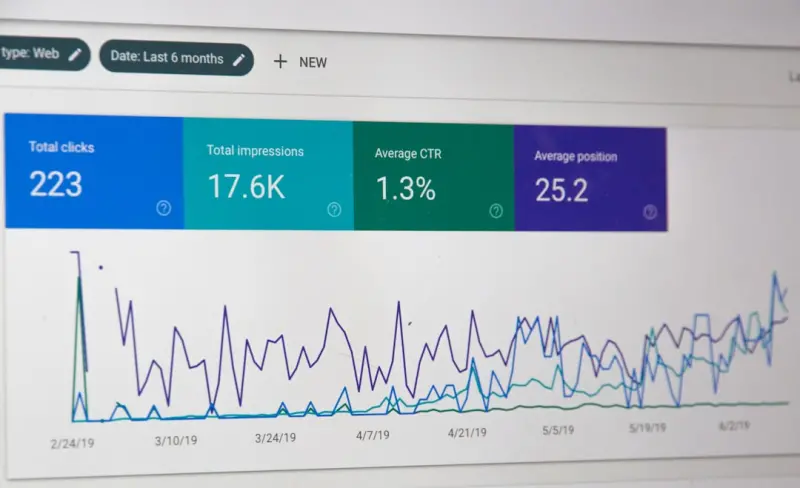
Predictive Link Building: Data‑Driven Authority Acquisition
Predictive link building replaces guesswork with data, using traffic trends, topical relevance, and ... Read More

Why Interactive Tools Are the Secret Weapon for Modern Link Building
Interactive tools like calculators and quizzes offer immediate value, driving shares and natural bac... Read More
Top Posts

Capturing the Visual Real Estate of SERPs: A SaaS Playbook
This post reveals a step‑by‑step playbook for SaaS marketers to harness visual SERP features—image carousels, video boxes, and diagram snippets—turning ...Read More
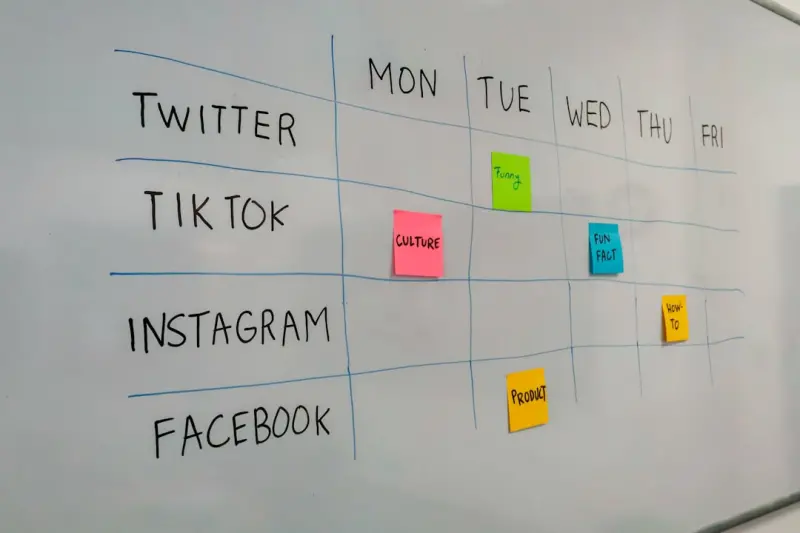
Micro‑Communities: The New Frontier for B2B SaaS Social Strategy
Micro‑communities offer B2B SaaS firms a high‑intent, low‑noise channel for engagement. Learn why they outperform traditional social tactics, how to find ...Read More

The Changing Landscape of SEO: What You Need to Know
The world of SEO is constantly evolving. Stay ahead of the curve with our expert insights on the changing landscape and learn how to adapt your strategy for suc...Read More

Gamified Referral Funnels: Turning Fun Into Viral Growth
Learn to design, launch, and scale gamified referral funnels that turn everyday sharing into a competitive, reward‑rich experience, driving viral growth and l...Read More
0 Comments
Post Comment
You will need to Login or Register to comment on this post!