
Mobile‑First Indexing Is No Longer a Bonus, It’s a Baseline
Google’s shift to mobile‑first indexing means that the version of your site most search engines see is the one served to smartphones, not the desktop counterpart, and this reality reshapes every SEO decision you make. When Google evaluates content, page speed, and usability on a small screen, any friction—whether a slow‑loading hero image or a navigation menu that collapses improperly—directly translates into lower rankings and diminished click‑through rates. Because users now expect instant, seamless experiences on the go, sites that still treat mobile as an afterthought risk falling behind competitors who have woven mobile performance into the core of their digital strategy.
Core Web Vitals on Mobile: The Triple Threat to Rankings
Google’s Core Web Vitals—Largest Contentful Paint (LCP), First Input Delay (FID), and Cumulative Layout Shift (CLS)—are measured on mobile devices first, and each metric carries a distinct weight in the algorithmic formula that determines SERP placement. An LCP that exceeds 2.5 seconds signals to both users and crawlers that the page feels sluggish, while a high FID indicates delayed interactivity, and a volatile CLS can cause accidental taps that frustrate visitors. Together, these signals act as a health check for your site’s mobile experience; consistently strong scores not only boost rankings but also improve user satisfaction, leading to higher dwell time and lower bounce rates.
Auditing Mobile Performance With the Right Tools
Before you can heal the wounds in your mobile experience, you need a precise diagnosis, and the industry‑standard toolkit includes Chrome DevTools, PageSpeed Insights, and the Web Vitals extension, each offering granular data about load times, main‑thread activity, and layout stability. Running a comprehensive audit reveals hidden bottlenecks such as unused JavaScript, oversized fonts, or server response delays that might not be obvious in a desktop view; these insights become the roadmap for optimization. For a deeper dive into how crawl efficiency can affect performance, check out the Crawl Budget Mastery guide, which explains why a lean, fast‑loading mobile page also helps Google allocate its crawl resources more effectively.
Prioritizing Critical Resources: CSS, Images, and JavaScript
One of the most impactful ways to accelerate mobile load times is to streamline the delivery of above‑the‑fold content, which means inlining critical CSS, deferring non‑essential styles, and employing lazy loading for images that appear lower on the page. By reducing the amount of render‑blocking resources, the browser can paint meaningful content within the first second of a user’s visit, dramatically improving LCP scores. Additionally, modern image formats like WebP and AVIF, combined with responsive srcset attributes, ensure that devices only download the smallest possible file that still looks crisp on high‑density screens, further trimming bandwidth usage.
Server‑Side Strategies: HTTP/2, Caching, and Edge Delivery
Even the most meticulously crafted front‑end cannot compensate for a sluggish server, which is why adopting HTTP/2, leveraging aggressive caching policies, and deploying a robust CDN are essential components of a mobile‑first SEO playbook. HTTP/2’s multiplexing and header compression reduce round‑trip times, allowing browsers to fetch multiple assets concurrently without the overhead of separate TCP connections. Meanwhile, setting cache‑control headers for static assets ensures repeat visitors receive content instantly from their local cache, and a strategically placed edge network serves files from the node closest to the user, slashing latency and boosting both LCP and FID metrics.
Progressive Web Apps: Turning Mobile Sites Into Native‑Like Experiences
Progressive Web Apps (PWAs) bridge the gap between traditional mobile sites and native applications, offering offline capabilities, push notifications, and home‑screen install prompts that signal to Google a higher level of user engagement. When a PWA meets the “installability” criteria—fast loading, service worker registration, and a valid web app manifest—it not only enhances the user journey but also sends positive ranking signals that differentiate the site from ordinary mobile pages. By adopting PWA best practices, you can tap into a growing pool of users who prefer app‑like interactions while still benefiting from the discoverability of web search.
Mobile‑Optimized Structured Data for Rich Snippets
Structured data isn’t just for desktop; tailoring schema markup to mobile contexts can unlock rich results that appear directly in the mobile SERP, such as FAQ accordion cards, product carousels, and recipe steps that fit neatly on a small screen. Using JSON‑LD to define MobileFriendly attributes, specifying image dimensions that respect viewport constraints, and marking up local business details with geoCoordinates all help search engines render more accurate, mobile‑centric snippets. These enhanced listings improve click‑through rates by providing users with immediate answers, reducing the need to navigate away from the search results page.
Voice Search on Mobile: Optimizing for Conversational Answers
While voice search is often associated with smart speakers, the majority of voice queries are issued from smartphones, making it a critical facet of mobile SEO that many overlook. To capture this traffic, focus on natural language phrasing, answer questions directly within the first 40‑50 words, and incorporate structured data that highlights concise, factual information suitable for spoken responses. By aligning your content with the intent behind voice queries—often “how‑to,” “what is,” or “best way to” questions—you increase the likelihood that Google will select your page as the spoken answer, driving both traffic and brand authority.
Monitoring Mobile Health: Search Console and Real‑Time Alerts
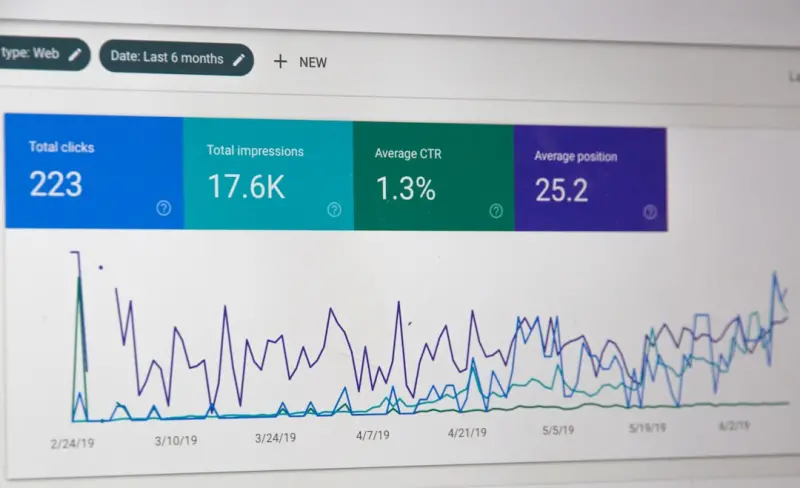
Google Search Console’s Mobile Usability report and Core Web Vitals dashboard provide real‑time feedback on how your site performs across the device spectrum, flagging issues such as tap target size, viewport configuration, and layout shifts that could harm rankings. Setting up custom alerts for spikes in CLS or drops in LCP enables you to react quickly, preventing prolonged exposure to poor user experiences that could erode trust. Regularly reviewing these metrics, paired with periodic manual testing on a range of devices, ensures that your mobile optimization remains proactive rather than reactive.
Future‑Proofing Mobile SEO: Stay Ahead of Emerging Signals
The mobile SEO landscape continues to evolve, with upcoming signals like Core Web Vitals 2.0, AI‑generated snippets, and deeper integration of user‑centric metrics such as interaction latency likely to shape rankings in the months ahead. Maintaining an agile workflow—where performance testing, schema updates, and content refreshes are baked into your publishing calendar—will position your site to adapt quickly to algorithmic changes without massive overhauls. By treating mobile optimization as an ongoing, data‑driven practice rather than a one‑time project, you safeguard your visibility, sustain organic growth, and deliver the fast, frictionless experiences that modern users expect.

Sarah Gray is a proud Canadian who calls Brampton home, where she lives with her husband, Paul. A passionate home cook and gifted storyteller, Sarah loves creating delicious recipes and sharing stories inspired by everyday life, family, and cherished experiences. When she isn't experimenting in the kitchen, she's busy crafting engaging content that reflects her warmth, creativity, and love of connection. Above all, Sarah treasures time spent with her grandchildren, embracing every opportunity to create lasting memories with the people she loves most.
Related Posts

Beyond the Tap: Unleashing Mobile SEO Tactics SaaS Teams Overlook
A fresh look at mobile SEO for SaaS, covering intent mapping, structured data, PWAs, bite‑size con... Read More

Mobile‑First Architecture: Building a Mobile‑Centric Site for SERP Dominance
Learn the essential steps to shift your site to a mobile‑first architecture, from navigation and s... Read More

Mobile SEO Trends 2024: Shawn DesRochers’ Insider Playbook for a Mobile‑First World
Shawn DesRochers breaks down the hottest mobile SEO trends of 2024, from Core Web Vitals to voice se... Read More
Top Posts

Why Private Communities Are the Next Frontier for SaaS Social Strategy
Private communities on platforms like LinkedIn, Slack, and Discord are becoming the secret weapon for SaaS growth, turning authentic conversations into qualifie...Read More

AI‑Powered Product Bundles: The Secret Sauce for Higher eCommerce AOV
Learn why AI‑powered bundles are reshaping eCommerce, how to implement them, and the psychology that turns shoppers into loyal buyers....Read More

Semantic SEO Playbook: Entities that Drive SaaS Rankings
A step‑by‑step guide to semantic SEO for SaaS, showing how to create entity‑rich content hubs, leverage structured data, and measure success beyond tradit...Read More

The 2024 Digital Marketing Playbook: From Chaos to Competitive Edge
Explore the 2024 digital marketing landscape with Becky Putman’s insider strategies—AI‑driven SEO, short‑form video, sustainable link building, and more...Read More
0 Comments
Post Comment
You will need to Login or Register to comment on this post!