

The Impact of Mobile-First Indexing on Technical SEO
As a technical SEO specialist, I've seen firsthand the significant impact that mobile-first indexing has had on the way we approach search engine optimization. With Google's mobile-first revolution in full swing, it's essential to understand how this shift affects your website's visibility and ranking. In this article, I'll explore the implications of mobile-first indexing on technical SEO and provide actionable tips for optimizing your site.
Mobile-first indexing means that Google prioritizes the mobile version of your website when crawling, indexing, and ranking your content. This change reflects the growing importance of mobile devices in users' daily lives. According to recent statistics, more than half of all internet traffic comes from mobile devices, making it crucial for websites to provide a seamless mobile experience. By prioritizing mobile content, Google aims to deliver the most relevant and user-friendly results to searchers.
The Technical Implications of Mobile-First Indexing
So, what does mobile-first indexing mean for technical SEO? For starters, it highlights the need for **responsive design** and **mobile-friendly websites**. If your website isn't optimized for mobile devices, you risk being penalized by Google's algorithms. This means ensuring that your website's layout, content, and functionality are all easily accessible on smaller screens. A mobile-friendly website not only improves user experience but also increases the chances of ranking higher in search engine results.
In addition to responsive design, mobile-first indexing also emphasizes the importance of **page speed**. With mobile devices, users expect fast loading times, and Google takes this into account when ranking websites. A slow-loading website can negatively impact your search engine rankings, making it essential to optimize images, minify code, and leverage browser caching. By prioritizing page speed, you can improve user experience and increase your website's visibility in search results.
Optimizing for Mobile-First Indexing
To optimize your website for mobile-first indexing, start by auditing your site's mobile usability. Use tools like Google's Mobile-Friendly Test to identify areas for improvement. Ensure that your website's content, including text, images, and videos, is easily accessible on mobile devices. You should also prioritize **accelerated mobile pages (AMP)**, which provide a faster and more streamlined experience for users.
Another crucial aspect of mobile-first indexing is **structured data**. By incorporating schema markup into your website's HTML, you can help search engines understand your content and provide users with more relevant results. Structured data can also enhance your website's visibility in search results, making it more likely to attract clicks and conversions.
The Role of Social Media in Mobile-First Indexing
Social media plays a significant role in mobile-first indexing, as many users interact with websites through social media platforms. By optimizing your social media presence and incorporating **social commerce** strategies, you can drive more traffic to your website and improve your search engine rankings. For example, you can use social media to promote your website's content, engage with users, and build brand awareness.
Staying ahead in mobile SEO requires a deep understanding of mobile-first indexing and its implications for technical SEO. By prioritizing mobile-friendly design, page speed, and structured data, you can improve your website's visibility and ranking in search engine results. Additionally, by leveraging social media and social commerce strategies, you can drive more traffic to your website and increase conversions.
Measuring the Impact of Mobile-First Indexing
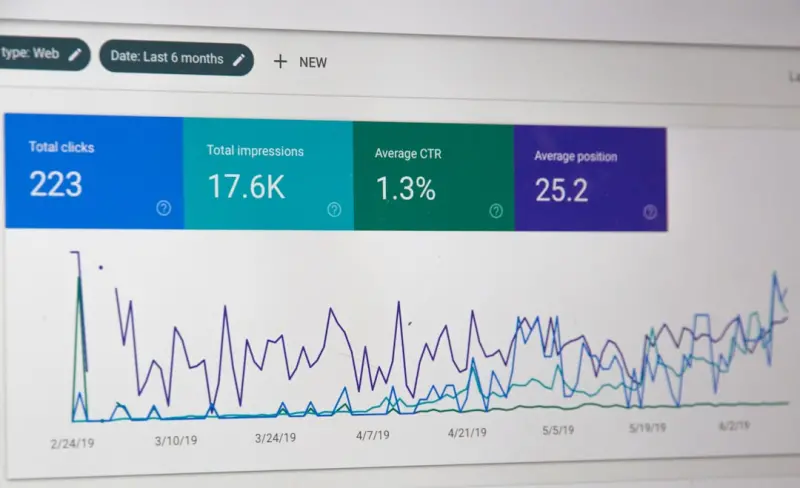
To measure the impact of mobile-first indexing on your website, track key metrics like **mobile traffic**, **bounce rates**, and **conversion rates**. Use tools like Google Analytics to monitor your website's performance and identify areas for improvement. By analyzing your website's data, you can refine your mobile SEO strategy and make data-driven decisions to optimize your site.
Best Practices for Mobile-First Indexing
To ensure that your website is optimized for mobile-first indexing, follow these best practices:
- Prioritize responsive design and mobile-friendly websites
- Optimize page speed and leverage browser caching
- Use accelerated mobile pages (AMP) and structured data
- Leverage social media and social commerce strategies
- Track key metrics like mobile traffic, bounce rates, and conversion rates
The Future of Mobile-First Indexing
As mobile-first indexing continues to evolve, it's essential to stay up-to-date with the latest trends and best practices. By prioritizing mobile-friendly design, page speed, and structured data, you can improve your website's visibility and ranking in search engine results. Additionally, by leveraging social media and social commerce strategies, you can drive more traffic to your website and increase conversions.
Mobile SEO trends to watch in 2023 include the increasing importance of **artificial intelligence** and **machine learning**. By understanding how these technologies impact mobile-first indexing, you can refine your mobile SEO strategy and stay ahead of the competition.
Conclusion
In conclusion, mobile-first indexing has significant implications for technical SEO. By prioritizing mobile-friendly design, page speed, and structured data, you can improve your website's visibility and ranking in search engine results. Additionally, by leveraging social media and social commerce strategies, you can drive more traffic to your website and increase conversions. Stay ahead of the competition by staying up-to-date with the latest trends and best practices in mobile SEO.
Optimizing for mobile is no longer a nice-to-have; it's a must-have for any website looking to succeed in today's digital landscape.

When it comes to the world of blogging and writing, Rose DesRochers is a name that stands out. Her passion for creating quality content and connecting with her audience has made her a trusted voice in the industry. Aside from her skills as a writer and blogger, Rose is also known for her compassionate nature.
Related Posts
Unlocking Crawl Efficiency: A Technical SEO Blueprint for SaaS
This post outlines a data‑driven framework for SaaS sites to audit and improve crawl budget, elimi... Read More

Technical SEO in 2026: Mastering Crawl Budget, AI Indexing, and Core Web Vitals
A deep dive into 2026’s technical SEO landscape, covering crawl efficiency, AI indexing, Core Web ... Read More

Beyond Speed: A Technical SEO Blueprint for SaaS Platforms
This guide walks SaaS teams through a comprehensive technical SEO strategy—from Core Web Vitals an... Read More
Top Posts

When Your Phone Talks Back: Optimizing for Voice Search on Mobile
Voice search is reshaping mobile discovery for SaaS. This post walks you through technical setups, conversational content tactics, and measurement metrics to en...Read More

Semantic SEO: Harnessing AI and Entity Graphs for Future‑Ready Rankings
Learn to replace static keyword lists with AI‑driven models, build entity graphs, and optimize for visual search to stay ahead in the evolving SEO landscape....Read More

Mastering 2024 SEO: Rose DesRochers’ Blueprint for Ranking, Authority, and Conversions
Rose DesRochers reveals a 2024 SEO playbook that blends technical health, sustainable link building, and e‑commerce integration—turning clicks into loyal cu...Read More

Server‑Side vs. Client‑Side Rendering: Technical SEO Guide for SaaS Apps
A practical guide for SaaS teams on how rendering choices impact SEO, including audit tips, hybrid strategies, and real‑world results....Read More
0 Comments
Post Comment
You will need to Login or Register to comment on this post!