

Why Empathy Has Become the Core of Modern SEO Strategy
When I first stepped into the world of search engine optimization, the rulebook was all about keywords, backlinks, and technical perfection, but over the last few years the conversation has shifted dramatically toward human‑centric SEO. Today, search engines reward content that understands user intent, solves real problems, and speaks with an authentic voice, which means the strategist’s job is now part‑human psychologist, part data analyst. This evolution forces us to ask: are we optimizing for bots or for the people behind the clicks? The answer is simple—if you want sustainable growth, you must design every element of your campaign with empathy at the forefront, because empathy translates into relevance, relevance drives rankings, and rankings deliver traffic that actually converts.
The Foundations: Intent Mapping Over Keyword Stacking
In the past, the go‑to tactic was to cram as many exact‑match keywords as possible into a page, hoping the algorithm would reward sheer density. Modern intent mapping flips that script by starting with the user’s question, then building a content structure that answers each sub‑question in a logical flow, which naturally incorporates the right terms without forcing them. By aligning the content hierarchy with the stages of the buyer’s journey—awareness, consideration, decision—you create a seamless narrative that keeps readers engaged and signals to Google that your page satisfies the query holistically. This approach not only improves dwell time but also reduces bounce rates, two metrics that search engines now weigh heavily in ranking decisions.
Crafting Content That Converses, Not Monologues
One of the most rewarding shifts I’ve witnessed is the move from monologic, sales‑heavy copy to conversational storytelling that invites dialogue. When you write as if you’re having a coffee with a friend, you naturally incorporate the language people actually use, which aligns perfectly with natural language processing models that power today’s search algorithms. Incorporating real‑world examples, anecdotes, and even a touch of humor makes the content memorable, encouraging social sharing and inbound links—both powerful ranking signals. If you want to see the impact of this technique in action, check out the case study on Human‑Centric SEO: The eCommerce Game‑Changer, where a brand turned conversational product descriptions into a 35% lift in organic conversions.
Link Building Reimagined: Relationships Over Rankings
The old link‑building playbook was a game of quantity: acquire as many backlinks as possible, regardless of relevance, and hope the sheer numbers would boost authority. The Human‑Centric Revolution in Modern Link Building teaches a smarter approach—focus on building genuine relationships with industry peers, influencers, and satisfied customers, then earn links that are contextually relevant and truly valued by readers. By providing co‑created content, expert roundups, or collaborative webinars, you not only gain high‑quality backlinks but also expand your brand’s reach and credibility in niche communities. This strategy leads to a more resilient backlink profile that can withstand algorithm updates aimed at penalizing manipulative link schemes.
Local Search: Turning Neighborhood Conversations into Clicks
For businesses that thrive on foot traffic, local SEO is no longer a peripheral tactic; it’s the lifeblood of visibility. The Human‑Centric Playbook for Dominating Local Search emphasizes the importance of hyper‑personalized content that reflects the language, culture, and concerns of the surrounding community. This means optimizing Google My Business listings with real photos, responding to reviews with empathy, and creating location‑specific blog posts that answer neighborhood questions like “best kid‑friendly restaurants near me.” When you treat local search as a conversation with your immediate audience, you build trust faster, and that trust converts into higher footfall and online reservations.
Mobile‑First Mindset: Small Screens, Big Opportunities
With the majority of searches now happening on mobile devices, a mobile‑first mindset isn’t optional—it’s mandatory. Designing for small screens forces you to distill your message to its purest form, stripping away clutter and focusing on the user’s immediate need. Fast loading times, clear call‑to‑actions, and touch‑friendly navigation are non‑negotiable, but the real secret sauce lies in delivering value within the first few seconds of the page load. By leveraging structured data for rich snippets and ensuring your content is easily shareable, you turn a brief mobile interaction into a lasting brand impression that can drive both local and organic growth.
Measuring Success: Beyond Rankings to Real‑World Impact
Metrics have always been the compass that guides SEO strategy, yet many teams still obsess over vanity numbers like keyword positions without connecting them to business outcomes. A human‑centric approach expands the KPI set to include engagement metrics such as scroll depth, time on page, and repeat visits, which better reflect how users experience your content. Pair these with conversion tracking—newsletter sign‑ups, form completions, or product purchases—to close the loop between search visibility and revenue. By regularly auditing the user journey and adjusting tactics based on authentic behavior, you ensure that every SEO effort contributes to a measurable bottom‑line impact.
Future‑Proofing Your SEO Strategy with Continuous Empathy
The SEO landscape will continue to evolve as AI, voice search, and visual discovery become more prevalent, but the constant remains the human desire for relevance and connection. Embedding empathy into your workflow—through regular audience surveys, social listening, and iterative content testing—creates a feedback loop that keeps your strategy adaptable and resilient. When you treat SEO as an ongoing conversation rather than a one‑time optimization, you position your brand to thrive no matter how the algorithms shift. In the end, the most powerful SEO asset is not a backlink or a meta tag; it’s the genuine relationship you cultivate with every visitor who lands on your site.

Brandy Miller is a dynamic freelance writer based in the vibrant city of Cambridge, Ontario. With a passion for storytelling that knows no bounds, she crafts compelling narratives that captivate and inspire. Brandy’s love for writing shines through in her versatile work, whether she’s penning thought-provoking articles or engaging content that resonates with readers. Her unique perspective and friendly tone make her a sought-after voice in the writing community. When she’s not weaving words together, you can find her exploring the beautiful landscapes of Ontario, always seeking new adventures and inspiration for her next piece. Brandy is not just a writer; she’s a creative force, making her mark one word at a time.
Related Posts

Building an Evergreen SEO Content Hub: A Strategic Blueprint
Learn the step‑by‑step strategy for building an evergreen SEO content hub that leverages topic c... Read More

Turning Interactive Tools into SEO Powerhouses
Learn why building interactive tools is the next frontier in SEO, driving authority, traffic, and co... Read More

From Keywords to Problems: Rethinking SaaS SEO for Intent‑First Success
A fresh SEO strategy for SaaS focuses on search intent rather than isolated keywords. Learn how to m... Read More
Top Posts

The Shift Towards Authenticity in Social Media Strategy
The shift towards authenticity in social media strategy is a welcome change. Learn how brands can prioritize vulnerability, transparency, and connection to buil...Read More
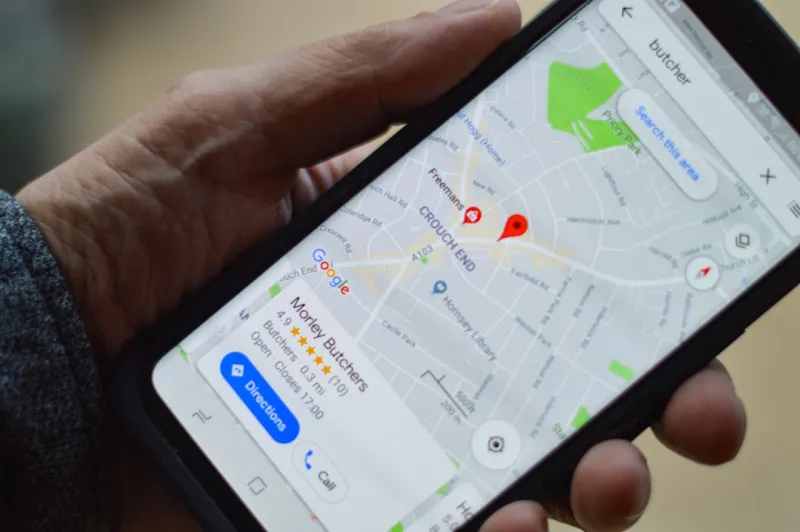
The Impact of Social Media on Local SEO in 2024
Social media has become a crucial component of local SEO in 2024. Learn how to optimize your social media presence to improve your local search rankings and dri...Read More

Product‑Centric Link Building: Turning Features Into Natural Backlinks
Discover unconventional, product‑driven link building tactics—release‑note storytelling, interactive visualizations, embeddable tools, and AMA transcripts...Read More

Link Building for SaaS: Turning Partnerships into Persistent Authority
A fresh, data‑driven approach to SaaS link building that focuses on partnership, knowledge‑base optimization, and measurable ROI, helping you build a resili...Read More
0 Comments
Post Comment
You will need to Login or Register to comment on this post!