

Why Voice‑First Local SEO Is the Next Frontier for “Near Me” Searches
When I first heard a customer shout “Hey Google, find me a coffee shop nearby!” I realized we were standing at the edge of a seismic shift. Traditional local SEO has always been about Google My Business, citations, and keyword‑rich landing pages. Now, with smart speakers, mobile assistants, and the rise of “near me” queries, the game is changing from “type‑and‑click” to “speak‑and‑show”. If your brand isn’t already talking to the voice‑first audience, you’re effectively invisible in the very moments prospects are ready to decide.
From Text to Talk: How Search Intent Evolved
In the early days of local search, the dominant intent was informational – “What are the best sushi restaurants in downtown?” Users typed, skimmed the SERPs, and clicked. Today, the same question is often spoken: “Hey Siri, where’s the best sushi near me?” That subtle shift in delivery carries three major implications:
- Speed. Voice assistants prioritize instant answers. If you can’t supply a concise, authoritative reply within a few seconds, the assistant will default to a competitor.
- Context. Devices know your location (GPS, Wi‑Fi, IP) and can factor in real‑time signals like weather, time of day, and even traffic. Your SEO strategy must be as dynamic as the environment.
- Discovery. Voice queries are often zero‑click – the answer is spoken back, not displayed. This means you need to be the source the assistant trusts to read out loud.
In short, the “near me” landscape has become a conversation rather than a list of links. And just like any good conversation, it starts with listening.
Listening First: Hyper‑Local Content Hubs
One mistake I see businesses make is treating voice SEO as a technical afterthought. The reality is that voice assistants pull from structured data, reviews, and most importantly, hyper‑local content hubs. These are dedicated pages (or sections) that speak directly to a micro‑area – think “Midtown Manhattan vegan cafés” or “Eastside pet grooming in Austin”.
To build a hub that voice loves:
- Start with a neighborhood audit. Use Google Maps, local forums, and social listening tools to identify the unique language residents use. For example, “the Loop” in Chicago or “The Hill” in San Diego.
- Map out micro‑topics. Each hub should answer a specific question: “Where can I get gluten‑free pizza in The Hill?” or “Are there any late‑night laundromats in the Loop?”
- Keep it concise. Voice answers are typically under 40 words. Your hub’s paragraph summary should be ready for a spoken read‑out.
- Layer in schema. Use
LocalBusinessandFAQPagemarkup to flag the Q&A pairs for the assistant.
When you combine hyper‑local relevance with structured data, you’re essentially handing the voice assistant a ready‑made script. The assistant’s job becomes “read this answer aloud” – and it prefers the most authoritative, context‑rich script it can find.
Micro‑Moment Targeting: The Bridge Between Search and Voice
Speaking of readiness, micro‑moment targeting is the missing link that connects traditional mobile search with voice. A micro‑moment occurs when a consumer turns to a device with an intent to act – “I’m hungry now”, “I need a plumber ASAP”. Voice queries are the purest form of micro‑moments because they’re immediate and often location‑bound.
To capture these moments:
- Identify the “I-want‑to‑do‑this‑now” phrases. Tools like AnswerThePublic or even your own call‑center transcripts can reveal the exact phrasing people use.
- Craft a “quick‑answer” snippet. Write a 30‑word answer that directly addresses the intent. Pair it with a call‑to‑action that’s voice‑friendly (“Ask for a discount code when you call”).
- Leverage local schema. Mark up your quick‑answer with
AnswerandSpeakableproperties so Google knows it can read it aloud.
When you align micro‑moment targeting with your hyper‑local hubs, you create a seamless pipeline: a user’s spoken query triggers a micro‑moment, your structured hub provides the answer, and the voice assistant delivers it instantly.
Optimizing for “Speakable” Content
Google introduced the Speakable schema to let publishers flag sections of a page that are suitable for voice. While it’s most often used by news outlets, local businesses can—and should—take advantage.
Here’s a quick checklist:
- Use short sentences. Aim for 10‑15 words per sentence; avoid complex clauses.
- Stay factual. Voice assistants prefer verifiable data: hours, addresses, phone numbers, and concise descriptions.
- Avoid jargon. Speak the language your audience uses when they talk to a device.
- Include a clear call‑to‑action. “Say ‘Call now’ to connect with us directly.”
After embedding Speakable, test it with Google’s Rich Results Test tool. If Google can parse your block, you’ve just added a new entry point for voice traffic.
Leveraging Reviews: Social Proof in a Voice World
Reviews have always been a cornerstone of local SEO, but they’re now a direct source of spoken answers. When a user asks, “What do people say about Joe’s Pizza?”, the assistant pulls from the highest‑rated, most recent reviews that are marked up with Review schema.
Action steps:
- Encourage Google‑verified reviews. The more authentic reviews you have, the richer the voice answer.
- Reply to reviews. Google favors businesses that engage, and responses become part of the spoken content.
- Structure your review snippets. Use
ReviewandAggregateRatingmarkup to make them easily discoverable.
Think of each review as a tiny voice‑ready endorsement that can be spoken back to a potential customer, increasing trust and conversion odds.
Edge SEO: Speed Matters More Than Ever on Voice Devices
Voice assistants are impatient. If your server response time is slow, the assistant may skip your content in favor of a faster source. This is where edge SEO becomes critical.
Key tactics include:
- Deploy a CDN. Serve your local pages from edge nodes close to the user’s device.
- Implement HTTP/2 and Brotli compression. Reduce payload size for faster parsing by voice assistants.
- Cache structured data. Ensure your JSON‑LD schema is delivered instantly.
- Pre‑render “Speakable” sections. Render them server‑side so the assistant can fetch the answer without waiting for JavaScript.
By optimizing for speed at the edge, you improve the odds that your answer will be the one spoken aloud, especially on low‑bandwidth mobile connections.
Measuring Voice‑First Local SEO Success
Traditional metrics like organic clicks and impressions don’t capture the full picture for voice. Here’s a framework to track performance:
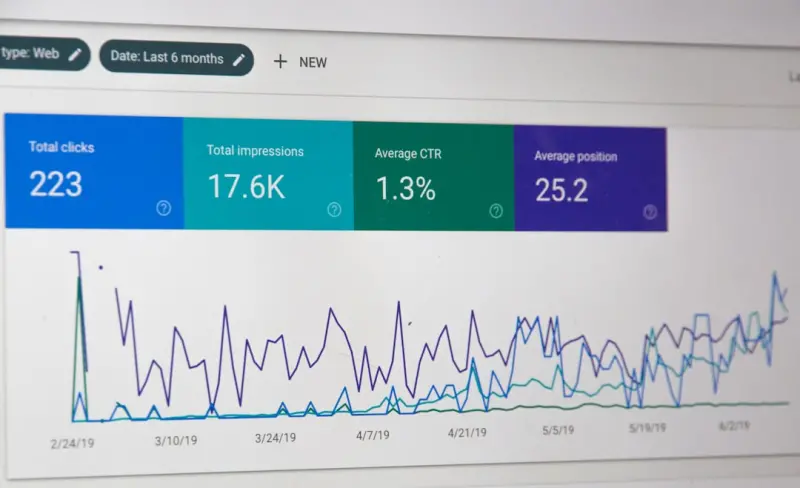
- Voice query impressions. Use Google Search Console’s “Performance” report and filter by “Queries containing ‘near me’” or “Questions”.
- Answer position. Tools like Ahrefs or SEMrush now surface “Position Zero” for voice; monitor where your content ranks in the spoken answer slot.
- Call‑tracking integrations. Assign unique phone numbers to voice‑only pages to see inbound calls generated by spoken answers.
- Engagement lift. Compare conversion rates of users who arrived via voice (detected via UTM parameters or referral headers) versus traditional search.
Set quarterly benchmarks and iterate. Voice SEO is still an emerging field, so small wins quickly add up.
Future‑Proofing: Preparing for the Multi‑Modal Search Era
Voice is just one facet of the broader multi‑modal search future. As AR glasses, in‑car assistants, and IoT devices become mainstream, the same hyper‑local, structured, and fast content will power those experiences. By investing now in voice‑first local SEO, you’re laying the groundwork for any device that needs to “talk” to your business.
In practice, this means:
- Continuously audit and expand your hyper‑local hubs.
- Keep schema up‑to‑date as new types (e.g.,
SpeakableSpecification) are introduced. - Monitor emerging voice platforms beyond Google and Amazon – think Samsung Bixby, Apple Siri Shortcuts, and even automotive assistants.
- Stay agile with edge infrastructure to meet rising speed expectations.
When you treat voice as a natural extension of your local SEO strategy, you not only dominate today’s “near me” searches but also position your brand as the go‑to answer for the next wave of conversational commerce.
Action Plan: 7 Steps to Voice‑Ready Local Dominance
- Audit your current local listings. Ensure NAP consistency across all directories.
- Map hyper‑local neighborhoods. Create at least three dedicated hub pages per major service area.
- Implement structured data. Add
LocalBusiness,FAQPage,Speakable, andReviewmarkup. - Optimize for micro‑moments. Write 30‑word answer blocks for each high‑intent query.
- Upgrade to edge delivery. Deploy a CDN and enable HTTP/2/3.
- Collect and mark up reviews. Encourage Google‑verified feedback and reply promptly.
- Track voice metrics. Set up Search Console filters, call‑tracking, and conversion attribution.
Follow this roadmap, and you’ll move from “just another local listing” to “the voice that your community asks for first”.

Brandy Miller is a dynamic freelance writer based in the vibrant city of Cambridge, Ontario. With a passion for storytelling that knows no bounds, she crafts compelling narratives that captivate and inspire. Brandy’s love for writing shines through in her versatile work, whether she’s penning thought-provoking articles or engaging content that resonates with readers. Her unique perspective and friendly tone make her a sought-after voice in the writing community. When she’s not weaving words together, you can find her exploring the beautiful landscapes of Ontario, always seeking new adventures and inspiration for her next piece. Brandy is not just a writer; she’s a creative force, making her mark one word at a time.
Related Posts

Local SEO as a Community Trust Engine
Discover how to convert neighborhood relationships into a powerful local SEO engine, using community... Read More

From Brick to Click: Turning Your SaaS Office Into a Local SEO Powerhouse
Learn a data‑driven, community‑centric local SEO playbook that transforms a SaaS office into a s... Read More
Hyperlocal Partnerships: The Untapped Engine Behind Local SEO Success
Learn why teaming up with local businesses and creating hyper‑focused neighborhood guides can tran... Read More
Top Posts

Why Empathy is the Superpower Behind Modern Social Media Marketing
Explore the rise of empathy in social media marketing, learn actionable tactics for authentic storytelling, user‑generated content, and micro‑influencer par...Read More

The Intersection of Social Media and SEO: A Game-Changing Strategy
Learn how to dominate your online presence by leveraging the intersection of social media and SEO, and drive real results for your business....Read More

Riding the Social Strategy Wave: Insights from William Roy for 2024
William Roy shares a 2024 social strategy roadmap that balances authentic community building, data‑driven storytelling, and future‑proof tactics for lasting...Read More

Predictive SEO: Turning SaaS Usage Data into Ranking Gold
Predictive SEO transforms SaaS product data into a proactive search strategy, aligning content with user intent, release cycles, and AI‑driven forecasts to ca...Read More
0 Comments
Post Comment
You will need to Login or Register to comment on this post!