

Predictive Content Sequencing: How AI Can Deliver the Right Message at the Right Moment for SaaS Marketers
When I first started mapping out campaigns for SaaS products, I treated content like a static brochure—something you created once, then hoped the right prospect would stumble upon it. That approach feels ancient now that we have machine learning models that can anticipate a buyer’s intent and serve the exact piece of content they need, exactly when they need it. In this post I’m pulling back the curtain on predictive content sequencing, a strategy that blends data, behavioral cues, and AI‑driven recommendation engines to create a fluid, personalized journey for every prospect.
Why “One‑Size‑Fits‑All” Content Is Holding You Back
Traditional content marketing assumes a linear funnel: awareness → consideration → decision. In reality, a modern buyer’s path is a web of touchpoints that can bounce back and forth, skip stages, or even loop indefinitely. If you rely on a static set of blog posts, whitepapers, and demos, you’re essentially asking prospects to navigate a maze without a guide.
Two critical pain points emerge:
- Signal Overload: Prospects are bombarded with content. When you push the same ebook or case study to everyone, you dilute its impact.
- Timing Mismatch: A technical deep‑dive that would be perfect for a product‑qualified lead (PQL) can feel overwhelming for someone still in the problem‑identification stage.
The result? Lower engagement rates, longer sales cycles, and missed opportunities to nurture leads at the precise moment they’re primed to act.
Enter Predictive Content Sequencing
Predictive content sequencing uses real‑time data points—website behavior, email interactions, CRM status, even third‑party intent signals—to forecast where a prospect is in their buying journey. An AI model then selects the next most relevant piece of content from a curated library and delivers it via the most appropriate channel (email, in‑app notification, retargeted ad, etc.).
Think of it as a digital concierge that knows your prospect’s preferences better than they do, and can anticipate the next question they’ll ask before they even type it.
Building the Foundation: Data Collection & Enrichment
The first step is to gather high‑quality data. Here are the core sources you should be tapping:
- Website Interaction Logs: Page views, scroll depth, time on page, and click paths give you a clear picture of what topics intrigue a visitor.
- Email Engagement Metrics: Opens, link clicks, and reply sentiment help gauge interest level.
- CRM Stages: Lead status, score, and any notes from sales reps add context.
- Third‑Party Intent Data: Signals from data providers about company‑wide buying intent (e.g., funding events, tech stack changes).
- Product Usage Analytics: For existing customers, feature adoption and frequency of use are gold mines for upsell content.
Once collected, enrich the data by normalizing formats, deduplicating records, and adding firmographic details (industry, size, geography). The richer your profile, the more precise your predictions will be.
Training the Model: From Rules to Machine Learning
Many marketers start with rule‑based triggers: “If a visitor reads three blog posts about API integration, send them the API‑centric case study.” While this works, it quickly becomes unwieldy as you add more variables.
Machine learning, specifically classification models like random forests or gradient boosting, can handle dozens of features simultaneously. Here’s a simplified workflow:
- Label Historical Paths: Review past leads and label each content interaction with the eventual outcome (e.g., MQL, SQL, won, churn).
- Feature Engineering: Convert raw data into meaningful features—average time between page views, sentiment score of email replies, etc.
- Model Training: Split your dataset into training and validation sets, then train a model to predict the next optimal content piece.
- Evaluation: Use precision, recall, and lift metrics to ensure the model outperforms a baseline (random or rule‑based).
- Deployment: Integrate the model with your marketing automation platform via API calls.
Even if you lack a data science team, there are SaaS solutions that offer pre‑built predictive engines you can plug into your existing stack.
Curating the Content Library
Your AI can only recommend what exists. A well‑structured, diverse content library is essential. Consider the following categories:
- Quick Wins: 2‑minute explainer videos, one‑pager infographics, or cheat sheets for immediate value.
- Deep Dives: Whitepapers, technical guides, and webinars for prospects ready to evaluate solutions.
- Social Proof: Customer case studies, testimonial videos, and ROI calculators.
- Product‑Centric Assets: Interactive demos, sandbox environments, or trial extensions.
Tag each asset with metadata that reflects its depth, format, and buyer intent stage. This taxonomy feeds the AI, ensuring it selects content that aligns with the prospect’s readiness.
Choosing the Right Delivery Channel
Predictive sequencing isn’t just about the what—it’s also about the how. The channel you use can dramatically affect engagement:
- Email: Ideal for nurturing contacts already in your database. Personalize subject lines with dynamic tokens.
- In‑App Messaging: For existing users, a contextual tooltip or banner can surface the next relevant guide.
- Retargeted Ads: If a prospect left your site after a demo request, a LinkedIn ad featuring a case study can re‑engage them.
- Chatbots: Real‑time conversational prompts can suggest a blog post or video based on the visitor’s query.
Testing different channels for each content type will reveal the optimal mix for your audience.
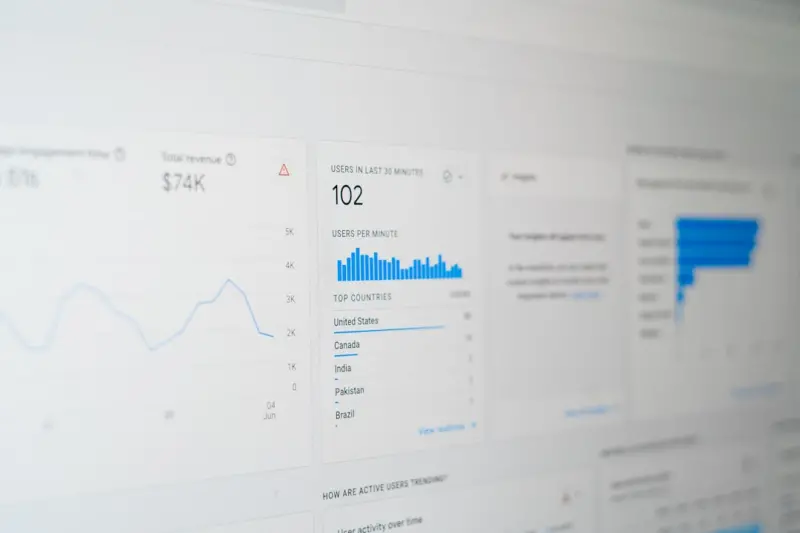
Measuring Success: The Predictive Content Dashboard
Traditional metrics like page views or email open rates don’t capture the full impact of predictive sequencing. Build a dashboard that tracks:
- Content Recommendation Acceptance Rate: Percentage of AI‑suggested assets that a prospect actually consumes.
- Journey Acceleration: Reduction in average days from first touch to MQL status.
- Conversion Lift: Incremental increase in SQLs and closed‑won opportunities attributed to the predictive engine.
- Engagement Depth: Average number of content assets consumed per lead.
Regularly review these metrics and feed the insights back into model retraining to keep performance climbing.
Integrating With Existing Marketing Tactics
Predictive sequencing isn’t a silo; it should complement your current initiatives. Here are a few integration ideas:
- Combine With Structured Data: By embedding rich snippets on your content pages, you boost organic visibility while your AI model drives personalized outreach. Learn more about the power of structured data in driving discovery.
- Leverage Co‑Marketing Partnerships: When you collaborate with complementary SaaS vendors, you gain access to new audiences. Use predictive sequencing to tailor joint assets—like co‑authored webinars—to each partner’s prospects. Check out best practices for co‑marketing partnerships.
- Sync With ABM Campaigns: Feed account‑level intent data into your model so that high‑value accounts receive hyper‑personalized content bundles.
Common Pitfalls and How to Avoid Them
While the promise of AI is exciting, execution missteps can erode trust:
- Over‑Automation: Relying entirely on the model without human oversight can lead to irrelevant recommendations. Set up a review process for new content tags.
- Data Silos: If your website analytics, email platform, and CRM don’t talk to each other, the model will be starved of crucial signals. Invest in integration middleware or a unified data lake.
- Stale Content: An outdated case study can damage credibility. Implement a content expiration calendar and refresh assets regularly.
- Neglecting Privacy: Ensure you’re compliant with GDPR, CCPA, and other regulations when collecting and processing user data. Offer clear opt‑out mechanisms.
Future Trends: The Next Wave of Predictive Marketing
Looking ahead, a few emerging technologies will amplify predictive sequencing:
- Generative AI for On‑Demand Content: Imagine a system that creates a personalized one‑pager on the fly based on a prospect’s specific use case.
- Realtime Sentiment Analysis: Analyzing live chat transcripts or email replies to adjust content recommendations in seconds.
- Cross‑Channel Attribution Graphs: Mapping every touchpoint’s contribution to a conversion, enabling the AI to fine‑tune the sequence continuously.
Adopting predictive content sequencing now positions your SaaS brand to ride these waves smoothly, delivering value at scale without sacrificing the human touch.
Getting Started in 5 Practical Steps
- Audit Your Content: Tag existing assets with intent stage, format, and depth.
- Centralize Data: Connect your website analytics, email platform, CRM, and any intent providers into a unified repository.
- Pick a Model: Start with a simple decision‑tree model or explore a SaaS predictive engine that integrates with your marketing automation tool.
- Pilot the Flow: Choose a segment (e.g., new trial users) and run the predictive sequencing for a month. Track acceptance rate and journey acceleration.
- Iterate and Scale: Use the pilot insights to refine tagging, model parameters, and channel mix before rolling out across all segments.
Remember, the goal isn’t to replace human intuition but to augment it with data‑driven precision. When you blend the creative spark of a seasoned marketer with the analytical muscle of AI, you unlock a content experience that feels tailor‑made for every prospect.

Tammy French is a Montessori Teaching Assistant and freelance writer passionate about education, creativity, and inspiring lifelong learning through engaging content.
Related Posts

Privacy‑First Digital Marketing: Turning Cookieless Challenges into Growth Opportunities
A privacy‑first mindset isn’t just about compliance; it’s a growth engine. Learn actionable ta... Read More

Conversational Commerce: Turning Chat Apps into Sales Engines
Explore the rise of conversational commerce and learn step‑by‑step how chat apps can become your... Read More

Micro‑Influencer Affiliate Networks: Scaling Trust in Digital Marketing
Explore the rise of micro‑influencer affiliate networks and learn practical steps to harness their... Read More
Top Posts

Micro‑Content Partnerships: A Fresh Path to SaaS Link Building
Micro‑content partnerships turn niche blogs and newsletters into powerful link sources. Learn a data‑driven, co‑creation playbook that aligns with SaaS pr...Read More

Beyond Rankings: Mastering the New Multi‑Modal SERP Landscape
Explore cutting‑edge tactics—from AI‑generated snippets to interactive SERP widgets—that empower brands to dominate the evolving, multi‑modal search r...Read More

Micro‑Influencer Playbook: Turning Niche Audiences into Loyal Fans
Learn a step‑by‑step micro‑influencer strategy that turns passionate niche audiences into loyal customers, driving authentic engagement and sustainable gr...Read More
Beyond Speed: A Technical SEO Blueprint for SaaS Platforms
This guide walks SaaS teams through a comprehensive technical SEO strategy—from Core Web Vitals and structured data to international hreflang implementation a...Read More
0 Comments
Post Comment
You will need to Login or Register to comment on this post!