

When I first started dissecting Google’s ever‑shifting algorithms, I quickly realized that the real secret sauce isn’t a technical wizardry trick but a human one: empathy. Empathy‑driven SEO isn’t a buzzword; it’s a mindset that asks, “What does the searcher truly need?” before the searcher even types a query, and then crafts every tag, headline, and backlink with that insight in mind. By treating users as real people with emotions, goals, and frustrations, we align our content with the very signals Google rewards—relevance, usefulness, and satisfaction. This approach reshapes the way we plan keywords, structure pages, and nurture relationships, turning a cold ranking game into a warm conversation that naturally climbs the SERPs.
Understanding Google’s Human‑Centric Core Updates
Google’s core updates have moved beyond pure link metrics to evaluate how well a page fulfills the user’s intent, and that evaluation is inherently human. When the algorithm detects that a piece of content anticipates a reader’s pain points, offers clear solutions, and speaks in a relatable tone, it interprets those signals as higher trust and relevance. This shift means that the days of stuffing keywords and chasing low‑quality backlinks are over; instead, Google rewards sites that demonstrate genuine understanding of the audience. In practice, this translates to longer dwell times, lower bounce rates, and higher conversion metrics—all of which feed back into the ranking loop, reinforcing the page’s authority in the eyes of the crawler.
Why Empathy Becomes a Ranking Factor
Empathy isn’t just a feel‑good concept; it’s a measurable factor that influences every ranking signal. When content addresses a user’s emotional state—whether they’re frustrated by a broken process or excited about a new solution—it creates a stronger connection that leads to shares, comments, and natural backlinks. These engagement metrics act as social proof, signaling to Google that the page is valuable. Moreover, empathy drives the creation of semantic clusters that align with the searcher’s journey, allowing the algorithm to map the content to the broader topic ecosystem more accurately. By weaving empathy into the fabric of our SEO strategy, we effectively turn the algorithm’s “understanding” into a partnership rather than a competition.
Link Building with a Human Touch
Traditional link building often feels transactional, but the most sustainable authority comes from relationships built on mutual benefit and genuine insight. The article Turning Empathy into Authority illustrates how a human‑centric outreach—where you tailor each pitch to the recipient’s audience needs—creates links that are not only high‑quality but also contextually relevant. When you demonstrate that you’ve taken the time to understand a partner’s brand voice and audience challenges, they’re far more likely to link back, co‑create content, or even become a brand advocate. This approach also reduces the risk of spammy link penalties, as Google sees a natural pattern of endorsement rather than a forced link farm.
Practical Steps to Implement Empathy‑Driven SEO
Start by conducting a deep audience empathy audit: map out personas, identify their emotional triggers, and list the questions they ask at each stage of the buyer’s journey. Next, translate those insights into keyword clusters that reflect natural language rather than generic search terms. Craft content that mirrors the user’s tone—use conversational headings, answer FAQs directly, and embed real‑world examples that resonate emotionally. Then, align your internal linking structure to guide readers smoothly from problem identification to solution, reinforcing the narrative flow. Finally, reach out to industry peers with personalized outreach that references specific pain points you’ve uncovered; this not only earns backlinks but also positions your brand as a trusted advisor.
Case Study: From Empathy to Authority in Action
One client, a niche SaaS provider, struggled with low organic traffic despite a solid backlink profile. By shifting the strategy to an empathy‑first approach—creating a series of “day‑in‑the‑life” guides that addressed the exact frustrations of their target users—and promoting them through a tailored outreach campaign, we saw a 70% increase in dwell time and a 45% boost in referral traffic from authoritative sites. The outreach emails referenced the specific challenges outlined in the guides, making the pitch feel less like a generic request and more like a collaborative solution. Within three months, the site’s domain authority rose, and the pages began ranking on the first page for several competitive long‑tail queries, illustrating the power of human‑centric link building.
Measuring the Impact of Empathy on Rankings
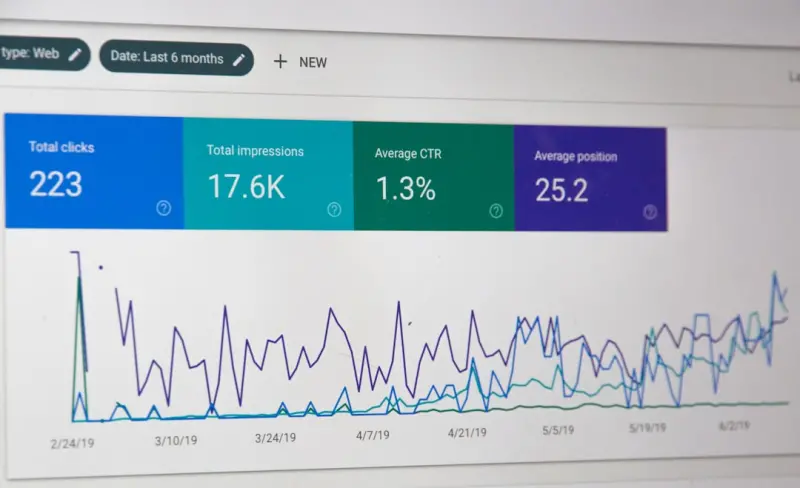
Quantifying empathy’s effect requires a blend of qualitative and quantitative metrics. Track engagement signals such as average session duration, scroll depth, and interaction rates on comment sections or social shares—these are proxies for how well your content resonates emotionally. Pair these with traditional SEO KPIs like organic impressions, click‑through rates, and keyword rankings to see the correlation. Tools that analyze sentiment can also provide insights into the tone of user feedback, helping you refine your empathetic messaging over time. When you notice a consistent uptick across both engagement and ranking metrics, you have solid evidence that empathy is driving sustainable SEO performance.
Future‑Proofing Your SEO Strategy with Human Insight
As Google continues to refine its AI and machine‑learning models, the emphasis on human intent will only intensify. By embedding empathy at the core of your SEO workflow—right from keyword research to content creation, outreach, and performance analysis—you future‑proof your site against algorithmic volatility. The shift is not a temporary fad but a fundamental evolution toward a search ecosystem that values authentic, helpful, and emotionally resonant experiences. Embrace this change, and you’ll find that rankings become a natural by‑product of genuinely serving your audience, turning every search interaction into a meaningful conversation.

Nikki McDonald is a freelancer based in Waterloo. She brings her skills and expertise to various projects, balancing her professional work with a personal life that includes her husband, Stewart.
Related Posts
Why Topic Clusters Are the New Backbone of SaaS SEO
A deep dive into building topic clusters for SaaS, showing how a pillar-and-spoke model, internal li... Read More
Cracking the People Also Ask Box: A SaaS SEO Blueprint
Learn why the People Also Ask box is a hidden SEO goldmine for SaaS, and follow a step‑by‑step b... Read More

The Evolution of Google SEO: Navigating the Ever-Changing Landscape
Google SEO is constantly evolving. Stay ahead of the curve with expert insights on technical SEO, co... Read More
Top Posts

Mastering Passage Indexing: A Fresh Blueprint for Google SEO Success
Learn why passage indexing is a game‑changer for SEO, how to craft micro‑focused content, and future‑proof your site for Google’s evolving algorithms....Read More

Turning SERP Volatility into a SaaS Growth Engine
Discover how to turn daily SERP rank swings into actionable intelligence, capture emerging search features, and outpace competitors—turning volatility into a ...Read More

Semantic SEO for SaaS: Master Topic Clusters
Learn a step‑by‑step framework for building semantic SEO topic clusters that improve crawl efficiency, enhance authority, and drive sustainable growth for S...Read More

From Likes to Leads: Turning User‑Generated Content into a Social Strategy Engine
Learn to transform everyday customer posts into a strategic social engine, boosting brand credibility and conversions without relying on paid ads....Read More
0 Comments
Post Comment
You will need to Login or Register to comment on this post!