
Why Voice Search Is the Quiet Revolution Your SaaS SEO Needs
When I first heard a colleague ask, “Hey Siri, find a SaaS tool for project tracking,” I realized we were standing at the edge of a new SEO frontier. Voice assistants have moved from novelty to daily workhorse for busy professionals, and the way they retrieve information is fundamentally different from traditional text queries. If you’re still optimizing only for typed search, you’re leaving a high‑intent, low‑competition traffic stream on the table.
Understanding the Conversational Shift
Voice queries tend to be longer, more natural, and framed as questions. A typical typed search might be “project tracking SaaS pricing,” whereas a spoken request could be, “What’s the best SaaS for tracking my team’s projects and how much does it cost?” This shift means your content must speak the same language as your audience’s spoken thoughts.
- Long‑tail focus: Voice queries often contain five or more words. Targeting these longer phrases captures the nuance of intent.
- Question format: Structure your copy to answer “who, what, when, where, why, and how” directly.
- Local relevance: Even B2B buyers may include location cues (“Find a SaaS solution for remote teams in Austin”).
Step 1: Map Conversational Keywords
Start by brainstorming how a busy decision‑maker would ask you a question out loud. I keep a voice‑query notebook where I jot down phrases like “How do I compare SaaS project management tools?” and “What features should I look for in a B2B SaaS CRM?” Once you have a list, plug them into keyword research tools, but filter for question words and longer phrases. The goal is to surface queries that have modest search volume but high conversion potential.
Step 2: Build Structured FAQ Pages
Google loves to pull concise answers from well‑structured pages. Create an <FAQ> schema for each core product area. Each FAQ should mirror a real voice question, followed by a clear, 40‑word answer. For example:
Q: What’s the difference between the Pro and Enterprise plans?
A: The Pro plan offers unlimited users, advanced reporting, and API access, while Enterprise adds dedicated account management, custom SLAs, and on‑premise deployment options.
When you add FAQPage schema, you give search engines the exact data they need to surface a featured snippet—exactly what voice assistants read aloud.
Step 3: Leverage topic clusters for Conversational Depth
One of the most effective ways to satisfy a multi‑part voice query is to organize your content into clusters. A pillar page covering “SaaS project management” can link out to sub‑pages that answer specific spoken questions—pricing, integrations, security, onboarding, and ROI calculations. This not only improves internal linking equity but also signals to Google that you’ve covered the entire conversational landscape.
When voice assistants pull from a cluster, they often synthesize answers from multiple pages, delivering a richer response to the user. Keep the pillar page concise and the supporting pages deep, each targeting a single question.
Step 4: Optimize for Featured Snippets
Featured snippets are the default answer for many voice queries. To increase your chances:
- Answer in the first 40–50 words. Begin with a direct response, then expand.
- Use bullet points or tables. Voice assistants love structured data they can parse quickly.
- Include the exact query phrase. If the question is “How does SaaS pricing work?”, make sure that phrase appears verbatim early in the paragraph.
Once a snippet ranks, you’ll often see a corresponding voice result, driving hands‑free traffic straight to your site.
Step 5: Embrace Structured Data Beyond FAQs
While FAQ schema is a quick win, other markup types can amplify voice visibility:
- Product schema: Populate fields like
offers,aggregateRating, andbrand. Voice assistants can read out pricing and ratings directly. - How‑to schema: Perfect for tutorial content (“How to set up automated reports in X SaaS”).
- Review schema: Highlight customer testimonials that voice assistants can quote.
Implementing these schemas requires a bit of JSON‑LD work, but most modern CMS platforms have plugins that simplify the process.
Step 6: Optimize Site Speed and Mobile Experience
Voice queries are often launched from mobile devices or smart speakers that rely on fast, lightweight pages. A slow-loading page not only hurts rankings but also leads to a poor user experience once the voice assistant hands off the user to your site. Prioritize Core Web Vitals, lazy‑load images, and serve compressed JavaScript.
Step 7: Measure Success with Voice‑Specific Metrics
Traditional SEO tools don’t always surface voice traffic directly, but you can infer it by tracking:
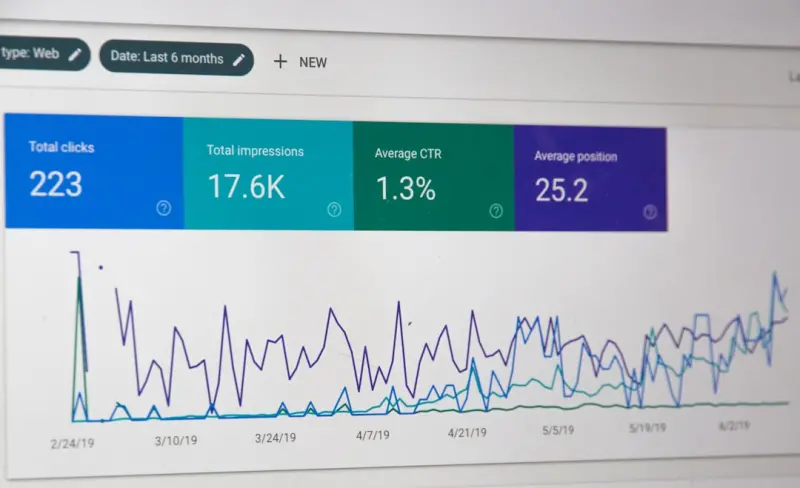
- Increase in long‑tail query impressions in Search Console.
- Higher click‑through rates (CTR) on featured snippets.
- Sessions originating from mobile devices with voice‑assistant referrals (look for “assistant” in the referral string).
Set up a custom dashboard that flags spikes in these metrics, allowing you to iterate quickly.
Step 8: Combine Voice SEO with predictive link building
Authority still matters, even in voice. Use predictive link‑building models to identify high‑authority sites that answer related conversational queries. Pitch guest posts or data collaborations that embed your SaaS expertise. When those sites rank for voice queries, your brand gains indirect exposure through citations and brand mentions that voice assistants can surface.
Step 9: Create Audio Content That Complements Text
Publish podcasts, audio tutorials, and “ask me anything” sessions. Host these files on your domain and mark them up with AudioObject schema. Google can index audio transcripts, giving you another avenue for voice discovery. Plus, listeners often transition to your site for supplemental resources, creating a natural funnel.
Step 10: Stay Agile—Voice is Evolving Fast
Voice assistants are continuously improving natural language understanding. What works today may shift as AI models get better at context. Schedule quarterly audits of your top voice queries, refresh FAQ answers, and expand schema coverage. Treat voice SEO as a living document rather than a one‑time project.
Wrapping Up: Turn Conversations Into Conversions
Voice search isn’t a gimmick; it’s a growing channel that aligns perfectly with the busy, multitasking mindset of B2B buyers. By mapping conversational keywords, building structured FAQ clusters, leveraging schema, and pairing your efforts with predictive link building, you’ll position your SaaS brand as the go‑to answer—whether the request comes from a laptop keyboard or a smart speaker.
Remember, the ultimate goal isn’t just to be heard; it’s to guide that audible moment into a meaningful interaction on your site. When a voice assistant says your brand name, make sure the follow‑up experience is compelling enough to convert that fleeting attention into a qualified lead.

Becky Putman is an Ottawa-based freelance writer and marketing professional with a passion for storytelling, animals, and community involvement. She enjoys creating engaging content that informs, inspires, and connects with readers.
Related Posts

Micro‑Moment Mastery: An SEO Playbook for Real‑Time User Intent
Discover a fresh SEO playbook that leverages micro‑moments, real‑time data, and modular content ... Read More
Empathy‑First SEO: Turning Rankings Into Real Connections
Learn why empathy is the new engine behind SEO, how to blend it with technical foundations, and acti... Read More

Reviving Rankings: A Systematic Content Refresh Playbook
A step‑by‑step guide shows you how data‑driven content refreshes, strategic internal linking, ... Read More
Top Posts

The Importance of Technical SEO in 2024: A Comprehensive Guide
Learn why technical SEO is crucial for businesses and how to optimize your website's technical aspects to improve search engine rankings and drive more traffic....Read More

The eCommerce Playbook for 2024: How to Turn SEO, Mobile, and Social Into Sales Engines
Shawn DesRochers reveals the 2024 eCommerce playbook, blending SEO, mobile-first design, link building, and social strategies to turn traffic into loyal custome...Read More
Turning Local Partnerships into SEO Powerhouses for SaaS
Explore a fresh, actionable approach to local SEO for SaaS companies by building and leveraging community partnerships, local events, and co‑marketing to ampl...Read More
Micro‑Influencer Partnerships: A Fresh Playbook for B2B SaaS Marketers
Micro‑influencers, with their niche, highly‑engaged audiences, are becoming the hidden engine behind B2B SaaS growth. This guide walks marketers through fin...Read More
0 Comments
Post Comment
You will need to Login or Register to comment on this post!