

Ever since I started juggling content calendars and backlink audits, the SEO world has felt like a high‑speed train that occasionally derails for a surprise tunnel. I’ve learned to love the chaos because it forces me to stay curious, to read the latest algorithm whispers, and to keep my coffee pot on standby for those midnight “aha!” moments that happen when a new ranking factor surfaces. In this post I’m pulling back the curtain on my current playbook, sharing the gritty details of how I blend data‑driven experiments with a dash of storytelling to keep my clients ahead of the curve.
Understanding the New SERP Dynamics
The 2024 SERP is no longer a simple list of blue links; it’s an ecosystem of AI‑generated snippets, video carousels, and “people also ask” panels that demand a multi‑dimensional optimization strategy. I spend mornings mapping out each SERP feature relevant to my niche, then I reverse‑engineer the content that fuels those features, because what works for a traditional blog post rarely wins a featured snippet. If you’re hunting for a deeper dive into the exact tactics I use, check out Sarah Gray’s Playbook for Mastering Search, which aligns perfectly with my approach to layered keyword clustering.
Link Building in a Post‑Google World
When Google announced that it would weigh “trust signals” more heavily, the whole link‑building community had to rethink the old “quantity over quality” mantra, and I was right there in the trenches, testing outreach emails that read like personal invitations rather than generic pitches. The sweet spot I found is building relationships with niche micro‑influencers and industry podcasts, because a single, well‑placed mention on a highly relevant platform can outweigh dozens of low‑authority backlinks. For a step‑by‑step framework that mirrors my process, I recommend diving into Deb Roberts’ Blueprint for Sustainable Authority, which helped me secure three high‑quality links in a single month without sacrificing editorial integrity.
Technical Foundations That Won’t Break Under Pressure
Even the most compelling content can sink if the site’s technical health is shaky, so I treat crawlability and core web vitals as non‑negotiable pillars of any SEO campaign I launch. I run a bi‑weekly audit that scans for orphaned pages, broken redirects, and JavaScript that slows down the Largest Contentful Paint, then I prioritize fixes based on their potential impact on both user experience and ranking volatility. While I’m constantly tweaking, the fundamentals I rely on are outlined in Tammy French’s Technical SEO Trends 2024 Playbook, a resource that perfectly complements my own checklist.
Content That Speaks to Both Humans and Machines
Writing for the modern SERP means crafting pieces that satisfy the curious reader while also feeding the semantic engines that power AI‑driven results, so I start each project by drafting an “answer hierarchy” that maps primary, secondary, and tertiary questions a user might ask. This hierarchy guides the structure of my headings, ensuring that the page naturally flows from a concise, keyword‑rich introduction to deeper, context‑rich sections that answer follow‑up queries, all the while sprinkling in relevant data points that boost topical authority. The result is content that feels like a conversation with an expert, and the metrics—time on page, scroll depth, and bounce rate—show it’s working.
Local SEO: Turning Neighborhood Searches into Loyal Customers
While many brands chase national rankings, I’ve seen a surge in local intent that can’t be ignored, especially for businesses that thrive on foot traffic or service‑area relevance. My tactic involves hyper‑optimizing Google My Business profiles, encouraging authentic reviews, and creating location‑specific landing pages that showcase community involvement, all while maintaining a consistent NAP (Name, Address, Phone) across citations. Brandy Miller’s Blueprint for Dominating Your Neighborhood offers a granular look at these tactics, and I often reference her framework when tailoring campaigns for my local clients.
Social Signals: The Wild West Still Rides the SEO Frontier
Even after years of algorithm updates, social media remains the untamed frontier where brand voice, community building, and indirect SEO benefits intersect, and I’m unapologetically vocal about its importance in my strategy sessions. I treat each platform as a micro‑site, optimizing profiles with keyword‑rich bios, cross‑linking to cornerstone content, and leveraging viral moments to earn natural backlinks that Google can’t ignore. My own insider playbook on why social media still feels like the wild west in 2024 dives deeper into these tactics, and it’s a must‑read for anyone who thinks social can be sidelined.
Measuring Success: From Vanity Metrics to Real Business Impact
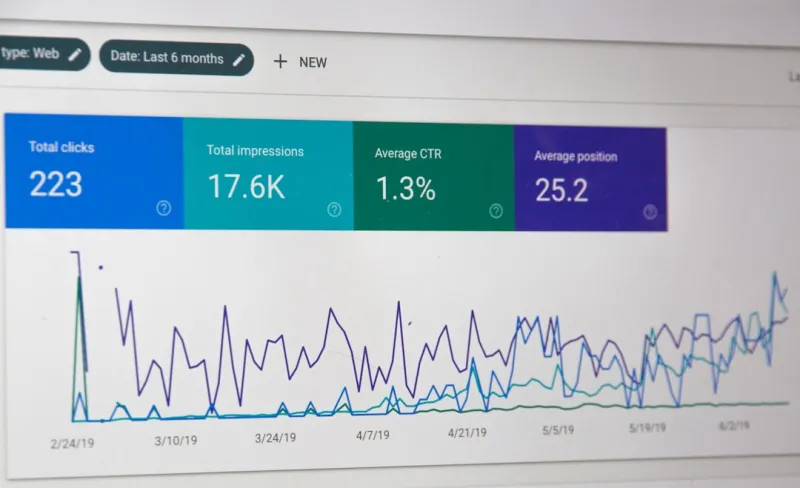
It’s easy to get lost in the sea of impressions and clicks, but I always bring the conversation back to revenue‑aligned KPIs like organic conversion rate, cost per acquisition, and lifetime value of an organic lead. I set up custom dashboards that pull data from Google Search Console, Google Analytics, and my CRM, allowing me to trace a keyword’s journey from impression to closed‑won deal, and I use this insight to iterate on content gaps and backlink opportunities. This results‑first mindset ensures that every hour I spend on optimization translates into tangible growth for my clients.
Future‑Proofing Your SEO Strategy
Looking ahead, the next wave of SEO will be shaped by AI‑generated content, voice search, and immersive experiences, so I’m already experimenting with prompt engineering to create high‑quality drafts that I can then human‑enhance for nuance and brand voice. I also keep an eye on emerging structured data types that could unlock new SERP real estate, especially as Google continues to expand its “answer engine” capabilities. By staying agile, investing in continuous learning, and never shying away from bold experimentation, I’m confident we can ride whatever algorithmic tides come our way.
Final Thoughts: Embrace the Chaos, Keep the Compass
The SEO landscape in 2024 feels like a rollercoaster that’s constantly being rebuilt, but that’s exactly what makes it exhilarating for marketers who love a good challenge, and I’ve learned that the best way to survive is to treat each twist as an opportunity to refine your compass. Stay curious, keep testing, and remember that the strongest strategies are built on a foundation of data, creativity, and genuine human connection—because at the end of the day, search engines are still trying to serve people, not just algorithms. If you found any of these insights useful, let’s keep the conversation going in the comments or on social; I love hearing how fellow SEO enthusiasts are navigating this ever‑changing terrain.

Nikki McDonald is a freelancer based in Waterloo. She brings her skills and expertise to various projects, balancing her professional work with a personal life that includes her husband, Stewart.
Related Posts

Understanding Google SERPs: A Comprehensive Guide to Optimization
Google SERPs are the gateway to online visibility. Learn how to optimize your content for better sea... Read More

From Clicks to Commitment: SEO Strategies That Drive SaaS Subscriptions
Learn how to align SEO with the subscription funnel, prioritize high‑value keywords, craft convers... Read More
Why SEO Must Evolve in 2024: Insights from David MacKinnon
David MacKinnon shares a 2024 SEO playbook that blends intent‑first tactics, mobile‑first design... Read More
Top Posts

Interactive Assets: The Secret Sauce for Sustainable Link Building
Learn why interactive assets like calculators, quizzes, and data visualizations are the newest link‑building magnets, and get a step‑by‑step guide to crea...Read More

Micro‑Communities and Live Storytelling: The Next Evolution in Social Media Marketing
Learn the blueprint for leveraging micro‑communities, live storytelling, and micro‑influencer collaborations to future‑proof your social media marketing a...Read More

The Evolution of Google SEO: How to Stay Ahead in the Game
Google SEO is constantly evolving. Learn how to stay ahead in the game with actionable tips on technical SEO, content creation, and user experience. Improve you...Read More

The Untapped Playbook for Dominating Hyperlocal Search
A deep dive into hyperlocal SEO strategies—from schema markup and community partnerships to voice‑search optimization—offering a step‑by‑step plan to ...Read More
0 Comments
Post Comment
You will need to Login or Register to comment on this post!