

The Evolution of eCommerce: Navigating the Shifting Landscape
eCommerce has undergone significant transformations over the years, driven by technological advancements, changing consumer behaviors, and the rise of new business models. As we navigate the shifting landscape of eCommerce, it's essential to understand the trends, challenges, and opportunities that lie ahead.
The eCommerce industry has experienced rapid growth, with global sales projected to reach $6.5 trillion by 2023. This growth has been fueled by the increasing adoption of digital technologies, the rise of mobile commerce, and the expansion of online marketplaces. However, as the industry continues to evolve, businesses must adapt to changing consumer behaviors, technological advancements, and shifting market trends.
One of the key trends shaping the eCommerce landscape is the importance of user experience. With the rise of online shopping, consumers have come to expect seamless, intuitive, and personalized experiences. Businesses that prioritize user experience are more likely to build customer loyalty, drive conversions, and stay ahead of the competition. This includes optimizing website design, streamlining checkout processes, and leveraging data analytics to inform product recommendations.
The Role of SEO in eCommerce
Search engine optimization (SEO) plays a critical role in eCommerce, as it enables businesses to increase visibility, drive traffic, and boost conversions. A well-executed SEO strategy can help eCommerce businesses outrank competitors, attract high-quality traffic, and improve brand credibility. However, with the evolution of SEO, businesses must stay up-to-date with the latest trends, best practices, and algorithm updates.
Technical SEO for eCommerce
Technical SEO is a crucial aspect of eCommerce optimization, as it ensures that website infrastructure, architecture, and performance are optimized for search engines. This includes page speed optimization, mobile-friendliness, and SSL encryption. Businesses must also prioritize structured data and schema markup to help search engines understand product information, reviews, and ratings.
The Intersection of Social Media and eCommerce
Social media has become an integral part of eCommerce, as it enables businesses to engage with customers, build brand awareness, and drive sales. The intersection of social media and SEO presents a game-changing opportunity for eCommerce businesses to amplify their online presence, drive traffic, and boost conversions. By leveraging social media platforms, businesses can share high-quality content, promote products, and build customer relationships.
The Rise of Influencer Marketing
Influencer marketing has emerged as a powerful eCommerce strategy, as it enables businesses to tap into the influence of social media personalities, build brand awareness, and drive sales. By partnering with influencers who align with their brand values and target audience, businesses can reach new customers, build credibility, and drive conversions.
The Future of eCommerce
As we look to the future of eCommerce, it's clear that businesses must adapt to changing consumer behaviors, technological advancements, and shifting market trends. The future of eCommerce will be shaped by trends such as artificial intelligence, augmented reality, and voice commerce. Businesses that prioritize innovation, customer experience, and data-driven decision-making will be best positioned to succeed in a rapidly evolving eCommerce landscape.
Staying Ahead in eCommerce
To stay ahead in eCommerce, businesses must prioritize data-driven decision-making, customer experience, and innovation. This includes leveraging data analytics to inform product development, marketing strategies, and customer experiences. Businesses must also prioritize omnichannel marketing, personalization, and customer engagement to build strong relationships with customers and drive long-term growth.
In conclusion, the evolution of eCommerce presents both opportunities and challenges for businesses. By understanding the trends, challenges, and opportunities that lie ahead, businesses can adapt to changing consumer behaviors, technological advancements, and shifting market trends. By prioritizing user experience, SEO, technical SEO, social media, influencer marketing, and data-driven decision-making, businesses can stay ahead of the competition and drive long-term growth in a rapidly evolving eCommerce landscape.

Tom Ferguson is a Canadian freelance writer with a passion for storytelling, current events, and thoughtful commentary. Drawing on years of writing experience, he shares engaging insights on a wide range of topics, bringing a uniquely Canadian perspective to his work.
Related Posts

The Evolution of E-commerce: How to Stay Ahead in a Rapidly Changing Landscape
The e-commerce landscape is rapidly evolving. Stay ahead of the competition by optimizing your onlin... Read More

Live Shopping Streams: The New Engine Driving eCommerce Growth
Live shopping blends entertainment, urgency, and instant checkout to create a powerful sales channel... Read More

The Visual Search Revolution: How Images Are Redefining eCommerce
Visual search is turning product discovery into a picture‑perfect experience, and brands that adop... Read More
Top Posts
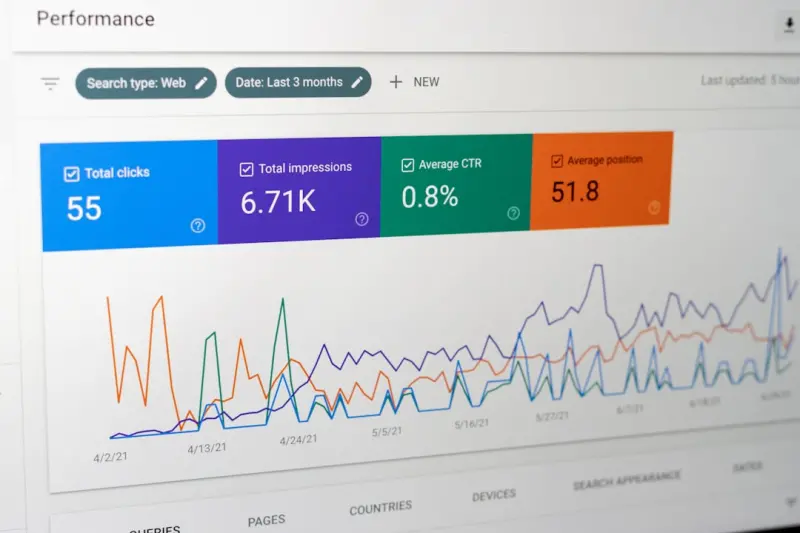
AI‑Driven SERP Features Are Changing How We Rank
Explore the rise of AI‑powered search results, learn why traditional keywords are fading, and get practical tactics to dominate the new SERP landscape....Read More
The Evolution of eCommerce: Navigating the Shifting Landscape
The eCommerce industry is rapidly evolving, driven by technological advancements, changing consumer behaviors, and new business models. Learn how to stay ahead ...Read More
Turning Feature Releases into SEO Wins: A SaaS Playbook
A step‑by‑step guide that treats each new SaaS feature as a mini‑SEO campaign, covering intent mapping, semantic hubs, schema markup, backlink strategies,...Read More
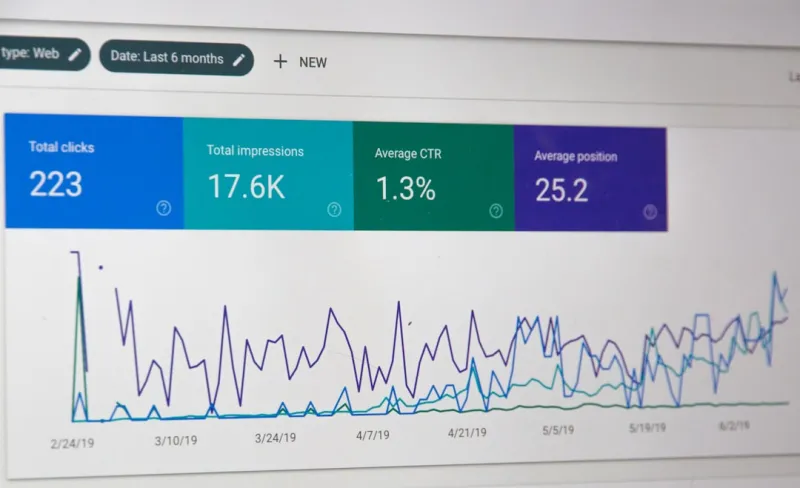
The Ever-Changing Landscape of SEO: Strategies to Stay Ahead
The landscape of SEO is constantly evolving. Stay ahead with the latest strategies and best practices. Learn how to improve your search engine rankings and driv...Read More
0 Comments
Post Comment
You will need to Login or Register to comment on this post!