

Why Community‑Centric Link Building Beats Traditional Outreach
When I first stepped into the SEO arena, the mantra was simple: write great content, then chase every possible backlink. The chase felt endless—cold emails, guest posts, link exchanges. After years of watching inboxes fill with rejection notices, I realized I was treating link building like a numbers game instead of a relationship game. That epiphany reshaped my strategy: focus on where the real conversations happen and let authority flow naturally.
The hidden ecosystems that nurture organic backlinks
Most marketers target high‑domain‑authority publications because they promise instant juice. But the real gold mines are the niche ecosystems that attract a highly engaged audience—think specialized subreddits, industry‑specific forums, and emerging podcast networks. These platforms are less about vanity metrics and more about solving real problems for a tight‑knit community.
1. Sponsor and participate in niche forums
Forums aren’t dead; they’ve simply migrated to more focused corners of the internet. Platforms like technical SEO for dynamic sites often have dedicated discussion boards where engineers troubleshoot code, share tools, and recommend resources. By becoming a regular contributor—offering genuine solutions, answering questions, and sharing case studies—you naturally earn contextual backlinks when members reference your insights.
- Identify high‑signal sub‑communities. Use advanced search operators (e.g.,
site:forum.example.com “your niche”) to pinpoint where your target audience congregates. - Provide actionable takeaways. A post that includes a step‑by‑step guide, code snippets, or data points will be bookmarked and cited far more often than a vague opinion.
- Follow the forum’s linking policy. Most reputable forums allow a signature link or a “resources” section in your profile. Use it wisely—avoid over‑optimizing anchor text.
2. Leverage AMA (Ask Me Anything) sessions on Reddit and Discord
AMAs are a perfect blend of brand exposure and linkable content. When you host an AMA, you’re not just answering questions; you’re creating a living document that will be referenced for months, even years. The key is preparation:
- Choose a compelling angle. Instead of “I’m a SaaS founder,” frame it around a specific challenge—e.g., “I built a low‑latency API for 2‑million‑user SaaS platforms.”
- Curate a resource hub. Before the AMA, compile a list of relevant blog posts, whitepapers, and case studies on a dedicated landing page. During the session, drop links to this hub whenever appropriate.
- Post‑session amplification. Convert the AMA transcript into a long‑form blog post, embed the same links, and promote it across your owned channels.
This approach turns a single live event into a cascade of backlinks from participants who will cite your answers in their own content.
3. Guest on niche podcasts and embed show notes links
Podcasts have exploded beyond mainstream tech talk; there are now hyper‑focused shows covering everything from “AI‑driven supply chain optimization” to “privacy‑first data analytics.” When you appear as a guest, you typically receive a mention in the show notes—an evergreen backlink from a domain that often enjoys high authority.
To maximize impact:
- Target podcasts with a strong SEO footprint. Look for shows that publish detailed transcripts and maintain a well‑structured blog.
- Offer exclusive content. Provide a downloadable cheat sheet or a unique framework that listeners can access via a link back to your site.
- Cross‑promote. Share the episode on your social channels, embed the audio on a dedicated page, and encourage listeners to link back when they reference your insights.
4. Create “tool‑centric” resources that solve community pain points
Tools aren’t just for conversion funnels; they’re also powerful link magnets. When you develop a free calculator, template, or data visualizer tailored to a niche problem, community members will naturally link back as a reference point.
For example, a hands‑on link‑building utility that helps SaaS marketers audit their backlink profile can become a staple on industry forums. The key ingredients are:
- Specificity. Target a narrow use case—e.g., “estimate the SEO impact of migrating from a monolithic architecture to micro‑services.”
- Ease of use. No sign‑ups, instant results, and a clean UI encourage sharing.
- Transparent methodology. Publish the algorithm or data sources used, which boosts credibility and invites citations.
5. Build authority through community sponsorships
Many niche conferences, virtual summits, and meetups operate on modest budgets and welcome sponsorships. Unlike high‑profile events, these gatherings often publish a speaker page, agenda, and post‑event recap that includes sponsor logos and backlinks. Because the audience is highly targeted, the link equity you earn is more valuable than a generic press release.
Steps to get started:
- Identify events that align with your buyer persona. Look for gatherings that focus on a specific tech stack, compliance regime, or market segment.
- Offer value beyond branding. Provide a workshop, exclusive data set, or a scholarship that the community can showcase.
- Request a link in the event’s resource hub. Most event pages have a “partners” section where you can negotiate a contextual backlink.
6. Turn case studies into community assets
Instead of a generic case study that lives solely on your website, reformat the results into a shareable infographic or a downloadable PDF that you distribute on community platforms. When you post it on a subreddit or a Slack channel dedicated to your niche, members often embed the asset in their own articles, linking back to the original source.
To make this work:
- Focus on measurable outcomes. Numbers, percentages, and clear before‑after comparisons make your study compelling.
- Provide a citation-ready snippet. Include a short paragraph with a pre‑crafted anchor text and URL that community members can copy-paste.
- Encourage remixing. Allow others to adapt the infographic for their own presentations, as long as they credit your brand.
7. Harness data‑driven outreach without the spam
When you have original research—say, a survey of 500 SaaS CTOs about migration pain points—you hold a piece of content that the community will crave. Instead of cold‑mailing a long list of editors, identify a handful of publications that have covered similar topics and offer them an exclusive excerpt.
Here’s a quick framework:
- Find the right match. Use tools like Google News alerts or niche newsletters to spot articles that reference similar data.
- Craft a personalized pitch. Highlight the unique angle of your data and propose a one‑pager that they can embed.
- Deliver a ready‑to‑publish snippet. Include a pre‑formatted chart, key takeaway, and a backlink to the full report.
Measuring the impact of community‑driven link building
Traditional link‑building metrics—total backlinks, domain authority, and referral traffic—still matter, but they don’t capture the full value of community engagement. Add these KPIs to your dashboard:
- Engagement depth. Track comments, upvotes, or shares on the forum post where your link appears.
- Referral quality. Use UTM parameters to differentiate traffic from a subreddit versus a podcast show note.
- Brand sentiment. Monitor sentiment analysis tools for mentions of your brand within community discussions.
- Conversion lift. Tie back leads generated from community sources to closed‑won opportunities.
When you see spikes in these metrics, you’ve confirmed that the backlinks are not just SEO tokens but genuine pathways to qualified prospects.
Putting it all together: a 30‑day sprint
To help you get started, here’s a tactical roadmap you can execute in a month:
| Day | Action |
|---|---|
| 1‑3 | Identify 5 niche forums, 3 subreddits, and 2 Discord servers relevant to your product. |
| 4‑7 | Create a “quick‑win” tool (e.g., a backlink health checker) and host it on a landing page. |
| 8‑10 | Publish a detailed guide on that tool and share it in the identified communities. |
| 11‑14 | Pitch yourself as an AMA speaker on two of the subreddits; schedule dates. |
| 15‑18 | Research and shortlist 3 niche podcasts; reach out with a unique episode idea. |
| 19‑22 | Secure a sponsorship slot for an upcoming virtual meetup; negotiate a backlink in the event recap. |
| 23‑26 | Convert a recent client success story into an infographic; distribute it across the forums. |
| 27‑30 | Analyze referral traffic, engagement, and sentiment; refine the next month’s plan. |
Follow this sprint, and you’ll not only diversify your backlink profile but also embed your brand into the very conversations that matter to your target audience.
Final thoughts
Link building is evolving from a hustle of cold pitches to a strategic immersion in community ecosystems. By aligning your brand with the places where your prospects already spend time, you earn links that are relevant, trustworthy, and conversion‑ready. It’s not about chasing every possible domain; it’s about cultivating authentic relationships that turn your content into a natural reference point.
If you’re ready to shift from outbound spam to inbound authority, start with one community this week. The backlinks will follow, and the relationships you build will pay dividends far beyond SEO.

Brody Lambert is an emerging freelance writer whose fresh voice and thoughtful approach are quickly making their mark. As a fairly new entrant in the world of freelance writing, Brody brings a blend of curiosity and dedication that fuels every project, crafting stories and content that resonate with authenticity and clarity.
Related Posts

How Podcasts Can Supercharge Your SaaS Link Building Strategy
This post reveals why podcasts are an untapped gold mine for SaaS link building, offering a practica... Read More

Turning Data into Links: A Research‑Centric Blueprint for Modern SEO
Explore how publishing original data, partnering with academia, and leveraging AI can transform your... Read More
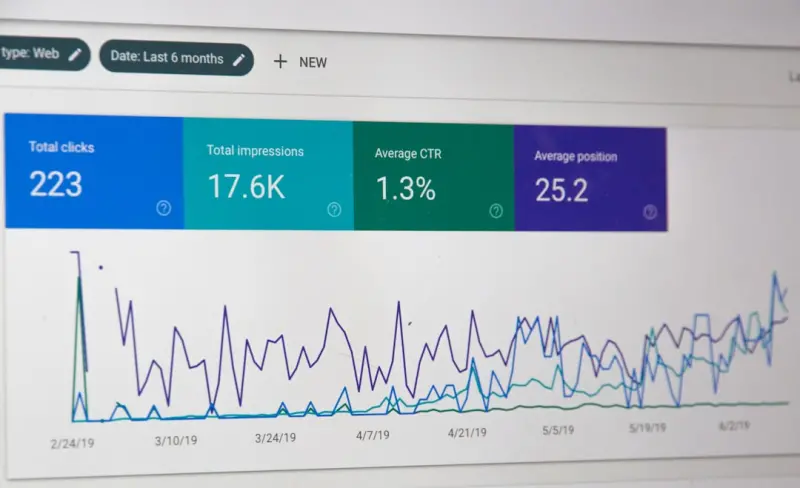
Predictive Link Building: Data‑Driven Authority Acquisition
Predictive link building replaces guesswork with data, using traffic trends, topical relevance, and ... Read More
Top Posts
Visual Search SERPs: How Image‑First Queries Are Redefining SEO
Explore the surge of visual search, learn technical fundamentals for image indexing, and get a strategic playbook to dominate image‑first SERPs and boost orga...Read More

Predictive SEO: Turning Data into Tomorrow’s Rankings
Discover the power of predictive SEO—using data trends, machine learning, and strategic content planning to capture search traffic before it even peaks....Read More

Beyond the Page: Why Passage Ranking is Redefining Google SEO
Passage ranking lets Google rank individual sections of a page, turning a single article into many micro‑landing pages. This post explains the impact, metrics...Read More

Link Building Reimagined: Harnessing Data‑Driven Partnerships for Sustainable Authority
A fresh perspective on link building shows how data‑driven partnerships, interactive assets, and ethical outreach can create sustainable authority in today’...Read More
0 Comments
Post Comment
You will need to Login or Register to comment on this post!