
Why On‑Site Search Is the Hidden Gold Mine for SEO
When you think about SEO, the first things that come to mind are usually backlinks, keyword research tools, and the ever‑shifting Google algorithm. Yet, every SaaS product that offers a search bar is quietly collecting a treasure trove of intent‑rich data. Those on‑site queries reveal exactly what your users are looking for, how they phrase their problems, and where your existing content falls short. Leveraging this data can flip the traditional SEO funnel upside‑down: instead of guessing what prospects need, you let their own searches guide your content strategy.
Harvesting Search Queries Without Breaking a Sweat
Most modern SaaS platforms already log search terms for analytics, but the raw logs are rarely turned into a strategic asset. Here’s a quick, repeatable process to extract actionable insights:
- Capture the data. Export the search logs from your analytics platform or database on a weekly cadence.
- Clean and normalize. Strip out misspellings, stop‑words, and internal jargon. Group synonyms (e.g., “invoice” vs. “bill”).
- Tag by intent. Classify each query into informational, navigational, or transactional buckets. This step is crucial for aligning SEO copy with the searcher’s mindset.
- Quantify performance. Pair each query with metrics like click‑through rate (CTR), conversion rate, and bounce rate from the results page.
When you finish this loop, you have a prioritized list of real‑world questions that your audience is actively asking.
From Queries to Content: Building a Blueprint
Now that you have a ranked list of search phrases, the next step is to transform them into content assets that rank on Google—not just on your own site. Start by mapping each high‑volume, high‑intent query to a content type:
- How‑to guides. Ideal for informational queries like “how to set up automated billing”.
- Comparison tables. Perfect for queries such as “SaaS vs. on‑premise analytics”.
- Feature deep‑dives. Serve navigational queries like “custom reporting dashboard tutorial”.
- Case studies. Answer transactional queries that hint at purchase intent, e.g., “customer success stories for churn reduction”.
When you create these assets, embed the exact phrasing users typed—this mirrors natural language and improves the chances of landing in featured snippets or “People also ask” boxes.
Aligning Content With Search Intent
Search intent is the cornerstone of modern SEO. By analyzing on‑site searches, you instantly know whether the user is looking to learn, to navigate, or to buy. Align each piece of content with that intent:
- Informational intent: Offer comprehensive guides, videos, and FAQs.
- Navigational intent: Provide clear, concise pages that help users find specific tools or settings within your product.
- Transactional intent: Highlight pricing, demos, and trial sign‑ups directly on the page.
This alignment not only satisfies the user but also signals to Google that your page directly addresses the query, boosting relevance scores.
Prioritizing Content Production With a Data‑Driven Lens
Not every query deserves a full‑blown blog post. Use a simple scoring model to decide where to invest resources:
Score = (Search Volume × Intent Weight) + (Conversion Rate × 2) – (Current Content Gap × 1.5)
Give higher weight to transactional intent and queries that already show strong conversion signals on your site. The resulting score will highlight the low‑effort, high‑impact opportunities that should be tackled first.
Boosting Technical SEO Using Search Insights
On‑site search data also reveals technical gaps. For instance, if users frequently type “API docs” but land on a generic “Resources” page, you have a clear signal to create a dedicated API documentation hub. This improves internal linking, reduces bounce rates, and gives Google a clearer hierarchy to crawl.
Another hidden win is topic cluster modeling. By grouping related queries into clusters, you can design pillar pages that capture broad search intent while supporting them with detailed sub‑pages. This structure not only organizes your site for users but also helps search engines understand topical relevance.
Integrating On‑Site Search Signals With Traditional Keyword Research
Traditional keyword tools are still valuable, but they often miss the long‑tail, product‑specific phrases that real customers use. Merge the two data sets by:
- Cross‑referencing high‑volume on‑site queries with keyword difficulty scores from tools like Ahrefs or SEMrush.
- Identifying “gap keywords”—terms that have decent search volume externally but low internal coverage.
- Using the combined list to guide both blog topics and on‑page SEO tweaks (title tags, meta descriptions, H1s).
This hybrid approach ensures you’re not chasing irrelevant traffic while still capitalizing on broader market demand.
Measuring the Impact: From Query to Ranking to Revenue
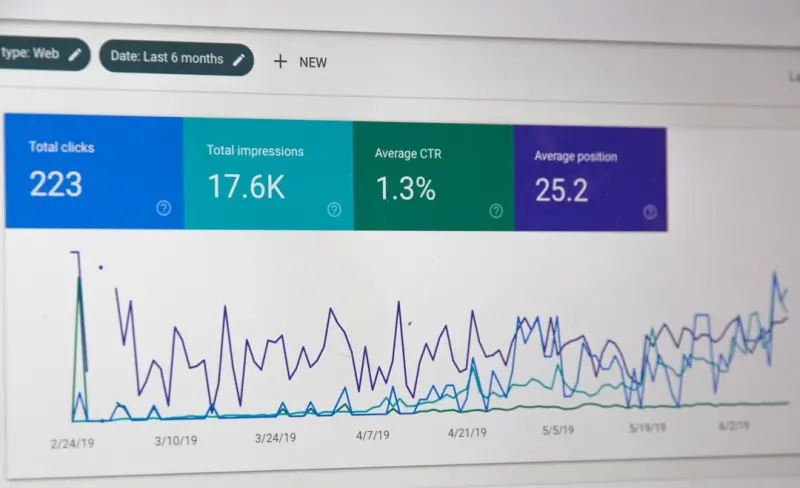
To prove the ROI of this strategy, set up a dashboard that tracks three key metrics:
- Search‑derived organic traffic. Monitor how many sessions arrive via keywords that originated from on‑site searches.
- Conversion lift. Compare conversion rates before and after publishing the new content.
- Search visibility score. Use tools that track SERP positions for your target queries and note improvements over time.
When you see a consistent uptick across these metrics, you have concrete evidence that listening to your own users pays off in Google’s ecosystem.
Common Pitfalls and How to Avoid Them
Over‑optimizing for exact match. While mirroring user phrasing is good, stuffing the exact query unnaturally can look spammy. Aim for a natural flow.
Ignoring seasonal trends. On‑site search spikes often align with product releases or industry events. Capture those windows quickly to publish timely content.
Neglecting internal linking. New pages need to be woven into your site’s link structure. Use contextual links from high‑traffic hub pages to boost crawl equity.
Forgetting to update. User language evolves. Schedule quarterly reviews of search logs to refresh your content map and retire outdated assets.
Putting It All Together: A 30‑Day Action Plan
Here’s a practical roadmap to get your team from data collection to published SEO assets in a month:
- Day 1‑5: Export and clean the last 90 days of on‑site search logs.
- Day 6‑10: Tag each query by intent and calculate volume & conversion metrics.
- Day 11‑15: Score queries using the formula above and select the top 10 opportunities.
- Day 16‑20: Draft outlines for each content piece, assign writers, and map internal links.
- Day 21‑25: Publish the first batch of assets, ensuring SEO on‑page elements are optimized.
- Day 26‑30: Promote the new content through email newsletters, in‑app messaging, and social channels; set up tracking dashboards.
Within a single month, you’ll have turned silent user queries into visible, rank‑worthy assets that drive qualified traffic.
Future‑Proofing Your SEO With Continuous Learning
The beauty of this approach is its self‑reinforcing loop. As you publish new content, users will search for it, providing fresh data that refines your next set of topics. Over time, your SEO roadmap becomes a living document that adapts to product changes, market shifts, and evolving user language.
And remember, this isn’t just about content. The same on‑site search insights can inform data‑driven link acquisition strategies, product roadmap decisions, and even customer support priorities. By treating on‑site search as a strategic signal rather than a convenience feature, you unlock a holistic growth engine that powers both organic visibility and product excellence.

David MacKinnon is a dynamic freelance writer known for his captivating storytelling and keen insights into the world of technology. With a passion for exploring the intersection of innovation and everyday life, he crafts engaging narratives that not only inform but also inspire his readers.
Related Posts

Building an Evergreen SEO Content Hub: A Strategic Blueprint
Learn the step‑by‑step strategy for building an evergreen SEO content hub that leverages topic c... Read More

Human‑Centric SEO Strategy: Turning Users Into Loyal Advocates
Miranda Murphy reveals a fresh SEO playbook that prioritizes people over algorithms, merging crawlâ€... Read More
Agile SEO Sprints: Turning Ranking Goals Into Fast‑Moving Growth Cycles
Learn how to apply agile sprint methodology to SEO, turning ranking goals into fast, iterative exper... Read More
Top Posts

Unlocking the SEO Power of Podcasts: A Strategic Playbook for Audio Dominance
Learn the step‑by‑step SEO strategy that transforms every podcast episode into a searchable, traffic‑generating asset—boost rankings, attract links, and...Read More

Harvesting Unlinked Brand Mentions: A Sustainable Link‑Building Method
Discover how to convert unlinked brand mentions into powerful backlinks, boost SEO, and foster genuine industry relationships through a systematic, value‑firs...Read More

Beyond Likes: Crafting Immersive Brand Experiences with AR and Short‑Form Video
Learn to blend AR filters, short‑form video arcs, and community challenges into a cohesive strategy that transforms passive followers into engaged brand ambas...Read More

How Social Listening Turns Noise into SaaS Growth
Learn why listening to social conversations—rather than just broadcasting—can drive product insights, amplify social proof, and align sales and marketing fo...Read More
0 Comments
Post Comment
You will need to Login or Register to comment on this post!