
Why “More Links” No Longer Wins the Game
When I first cut my teeth on link building, the mantra was simple: quantity beats quality. I chased every .edu, every .gov, and every high‑Domain‑Rating (DR) site I could find, hoping the sheer volume would push my SaaS product up the rankings. The result? A bloated backlink profile, wasted outreach hours, and a creeping sense that I was throwing darts in the dark.
Today the landscape has shifted. Google’s algorithms have grown smarter, and the SEO community has moved past the era of “more is better.” What matters now is strategic relevance—the right link, at the right time, to the right audience. In this post I’ll walk you through a fresh, data‑driven approach that leverages modern analytics and AI to turn link building from a shot‑in‑the‑dark hustle into a predictable growth engine.
Traditional Outreach: The Pitfalls You’re Probably Still Facing
Even seasoned marketers fall into a few classic traps:
- Blind prospecting. Using a static list of “high‑authority” sites without checking whether those sites actually cover topics relevant to your product.
- One‑size‑fits‑all pitches. Sending the same outreach email to a tech blog, a finance publication, and a design magazine. The result? Low response rates and a tarnished brand reputation.
- Neglecting link value beyond DR. A backlink from a high‑traffic blog that never converts visitors is a missed opportunity.
These mistakes are easy to make when you rely on intuition or legacy spreadsheets. The solution is to replace guesswork with measurable signals.
Enter Predictive Link Prospecting
Predictive link prospecting is the practice of using data—traffic trends, content performance, audience overlap, and even machine‑learning models—to forecast which prospective sites are most likely to both link to you and send qualified traffic your way. Think of it as a matchmaking service for your content and the web properties that matter most to your buyer personas.
Why does this matter for SaaS? Because our buyers are often technical, research‑driven, and spread across niche communities. A link from a well‑aligned developer forum can be worth more than ten generic tech news sites combined.
Building a Data Pipeline for Link Intelligence
Here’s a step‑by‑step framework you can replicate in under a week:
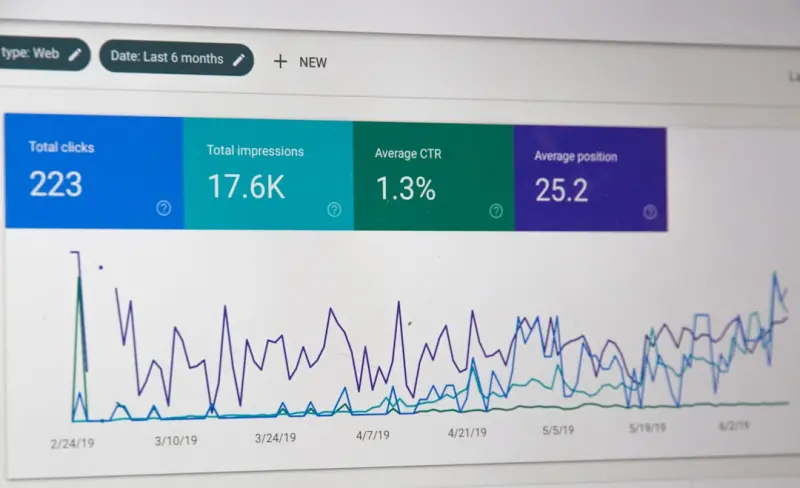
- Harvest Content Performance Data. Use tools like Google Search Console, Ahrefs, or SEMrush to pull a list of your top‑performing pages (by clicks, impressions, and average position). Export this data into a spreadsheet or a lightweight database.
- Map Content to Intent. Tag each high‑performing page with the buyer intent it satisfies—awareness, evaluation, or conversion. This helps you later identify which types of sites should receive which content.
- Identify Natural Link Opportunities. Run a backlink gap analysis against your top three competitors. Look for sites that link to them but not to you. These are low‑hanging fruit that have already demonstrated relevance to your market.
- Score Prospects with a Multi‑Factor Model. Create a scoring rubric that blends:
- Domain Authority / DR (baseline credibility)
- Organic traffic (potential referral volume)
- Audience overlap (using SimilarWeb or Google Analytics Audience Insights)
- Historical link acquisition rate (how often the site links out)
- Relevance to your content tags (semantic match)
- Feed the Scores into a Simple AI Model. Even a basic linear regression or a decision‑tree model can surface prospects you’d otherwise overlook. If you have a data‑science teammate, they can automate the model; otherwise, a spreadsheet with weighted formulas does the trick.
By the end of this exercise you’ll have a prioritized prospect list that’s grounded in real performance metrics rather than gut feeling.
AI‑Assisted Vetting: From Prospect to Pitch‑Ready
Once you have a list of high‑scoring sites, the next challenge is personalization at scale. This is where AI writing assistants can help. Feed the prospect’s recent articles into a language model and ask it to generate a short, contextual intro paragraph. Then, overlay your own voice to keep it authentic.
Here’s a quick template that works for SaaS:
Hi [Editor’s Name],

I loved your recent piece on [Specific Topic]—especially the point about [Insight from article]. At [Your Company] we’ve been tackling a similar challenge with our [Product Feature], which helped [Relevant KPI] for [Similar Audience]. I thought a short case study on how we solved X might be a good fit for your readers.
Notice how the pitch references the editor’s work, highlights a unique data point, and offers a clear value proposition. The AI can generate the “specific topic” and “insight” sections, saving you minutes per outreach email.
Human‑Centric Pitching at Scale
Even the smartest AI can’t replace genuine relationship building. The trick is to blend automation with personal touches:
- Video Intros. Record a 30‑second video introducing yourself and your product. Embed the link in your email; it boosts response rates by up to 40%.
- Social Listening. Follow the prospect’s social profiles. Like or comment on a recent post before you reach out—this signals that you’re paying attention, not just spamming.
- Offer Reciprocal Value. Instead of asking for a link outright, propose a guest post, a data‑driven infographic, or exclusive access to a beta feature that aligns with their audience’s interests.
These steps turn a cold email into a conversation starter, laying the groundwork for a sustainable partnership.
Measuring Success Beyond Domain Rating
Traditional link building metrics—DR, total backlinks, anchor‑text distribution—still matter, but they’re no longer the endgame. For SaaS, you should track:
- Referral Conversions. Set up UTM parameters on outbound links to see which referrals generate sign‑ups or trial activations.
- Engagement Metrics. Time on page and scroll depth indicate whether the audience truly consumes your content.
- Organic Lift. Monitor keyword ranking improvements for the pages that receive new links. This shows SEO impact.
- Brand Sentiment. Use social listening tools to gauge how often your brand is mentioned in the context of the linking site’s community.
When you align these KPIs with the original prospect scoring model, you can iterate—fine‑tune weights, retire underperforming prospects, and double‑down on the channels that deliver the highest ROI.
Putting It All Together: A Playbook for Predictive Link Building
- Audit Your Content. Identify the top 10‑15 pages that drive the most organic traffic and conversions.
- Run a Gap Analysis. Use a competitor backlink report to uncover missed opportunities.
- Score & Prioritize. Apply the multi‑factor model and generate a ranked list of prospects.
- Automate Drafts. Leverage an AI assistant to create first‑pass outreach emails that reference each prospect’s recent work.
- Add Human Warm‑Up. Engage on social, comment on articles, and personalize the email subject line.
- Track & Optimize. Monitor referral traffic, conversions, and SEO lift; adjust scores monthly.
If you need a refresher on how relationship‑driven tactics fit into this workflow, check out the relationship‑driven link building playbook. It provides a solid foundation for the human side of outreach, which you’ll layer on top of the predictive engine described above.
Also, don’t underestimate the power of semantic relevance. Our semantic topic clustering guide explains how grouping content by intent improves both internal linking and external link attraction. When your prospect sees that your site already speaks the same language as theirs, the probability of a successful partnership jumps dramatically.
Final Thoughts: From Guesswork to Predictable Growth
Link building for SaaS doesn’t have to feel like a lottery. By grounding your outreach in data, augmenting it with AI‑assisted personalization, and measuring success through the lens of revenue‑impact, you create a repeatable engine that fuels both SEO and direct traffic. The next time you sit down to draft an outreach email, skip the generic list of “high‑authority sites” and pull up your predictive prospect dashboard. Your future self—and your bottom line—will thank you.

Sarah Gray is a proud Canadian who calls Brampton home, where she lives with her husband, Paul. A passionate home cook and gifted storyteller, Sarah loves creating delicious recipes and sharing stories inspired by everyday life, family, and cherished experiences. When she isn't experimenting in the kitchen, she's busy crafting engaging content that reflects her warmth, creativity, and love of connection. Above all, Sarah treasures time spent with her grandchildren, embracing every opportunity to create lasting memories with the people she loves most.
Related Posts

Data‑Driven Link Building: A Relationship‑First Playbook for SaaS
Traditional link tactics are losing their edge. This post outlines a data‑driven, relationship‑f... Read More

Co‑Marketing Partnerships: A Fresh Path to High‑Quality Links
Tammy French shares a practical guide to using co‑marketing partnerships—webinars, joint researc... Read More

Human‑First Link Building: Turning Relationships into Rankings
Explore a human‑first link building strategy that replaces volume‑driven tactics with authentic ... Read More
Top Posts

The Impact of Social Media on Modern Marketing
Social media has become an indispensable tool for businesses looking to reach their target audience. Learn how social media marketing can help businesses achiev...Read More

Core Web Vitals: Technical SEO Engine for SaaS Growth
Core Web Vitals now drive rankings for SaaS sites. This post explains the three metrics, maps them to the funnel, and provides a data‑driven playbook to impro...Read More

Digging into Log Files: The Secret Weapon for Technical SEO Mastery
This post reveals how server log analysis can uncover hidden crawl inefficiencies, guide technical SEO fixes, and future‑proof your site by aligning crawl bud...Read More

Reinventing Technical SEO with Structured Data & Edge Signals
Learn to modernize technical SEO by leveraging edge computing, real‑time structured data, and intelligent crawl management for faster, richer search visibilit...Read More
0 Comments
Post Comment
You will need to Login or Register to comment on this post!