

Why Employee Voices Are the Untapped Engine of Modern Social Strategy
In a world where audiences crave authenticity, the internal chorus of a brand’s own workforce can become the most persuasive megaphone. When employees share genuine experiences, they inject a level of credibility that paid campaigns simply cannot replicate, turning ordinary brand posts into trusted conversations. Leveraging this organic narrative not only amplifies reach but also cultivates a sense of community that resonates far beyond the office walls.
The Psychology Behind Peer‑Generated Content
People instinctively trust recommendations from peers over advertisements, a phenomenon psychologists label “social proof.” When a frontline associate highlights how a product solved a real problem, the audience perceives the endorsement as unbiased, leading to higher engagement rates and deeper emotional connections. By strategically weaving employee stories into the broader social calendar, brands can trigger the subconscious trust loop that drives both brand affinity and conversion.
Building a Structured Employee Advocacy Program
Creating a sustainable advocacy framework starts with clear guidelines, training, and incentives that align personal motivations with brand objectives. Offer concise content kits—visuals, key messages, and suggested hashtags—so employees can easily share without feeling forced or inauthentic. Reward systems, such as recognition boards or gamified points, keep momentum alive while reinforcing the value of each shared post.
Choosing the Right Platforms for Workforce Storytelling
Different social networks serve distinct audience expectations; LinkedIn thrives on professional insights, Instagram shines with behind‑the‑scenes visuals, while TikTok rewards raw, short‑form creativity. Mapping employee strengths to the appropriate platform ensures that each voice lands where it can make the biggest impact. For example, a product engineer might deliver a concise explainer on LinkedIn, while a customer‑service rep showcases a day‑in‑the‑life video on TikTok.
Integrating Employee Content with Paid Social Amplification
Organic employee posts can be turbocharged through selective paid promotion, extending reach to target demographics that might otherwise remain out of sight. By boosting high‑performing authentic pieces, brands preserve the original voice while harnessing the precision of paid targeting. This hybrid approach delivers the best of both worlds: the trustworthiness of peer endorsement paired with the scalability of advertising spend.
Measuring Impact: Metrics That Matter
Traditional vanity metrics—likes and follows—only tell part of the story; the true value lies in engagement depth, referral traffic, and sentiment shifts. Track metrics such as employee‑generated click‑through rates, conversation volume, and brand lift surveys to gauge how internal voices influence audience perception. Over time, these data points reveal a clear ROI narrative that justifies continued investment in employee advocacy.
Case Study: Turning Internal Success Stories into Viral Campaigns
Consider a mid‑size tech firm that encouraged its support team to share “customer win” anecdotes on Twitter. One concise thread detailing a quick resolution went viral, garnering over 10,000 retweets and driving a 22% spike in website sign‑ups that week. The success prompted the brand to formalize a program, linking the story to a Social Media Notification Economics strategy that timed alerts for peak audience activity, maximizing impact.
Addressing Risks: Maintaining Brand Consistency and Legal Compliance
While employee advocacy is powerful, it demands clear policies to avoid off‑message or non‑compliant content. Establish a review workflow that respects employee autonomy yet ensures legal safeguards around confidential information. Regular audits and refresher workshops keep the program aligned with evolving brand standards and regulatory requirements, protecting both the company and its advocates.
Future Outlook: AI‑Assisted Curation of Employee Content
Artificial intelligence can streamline the identification of high‑potential employee posts, surfacing them for amplification or repurposing. By analyzing engagement patterns, AI tools suggest optimal posting times, formats, and audience segments, turning raw employee content into a data‑driven asset. Pairing this technology with the human touch of authentic storytelling creates a resilient, forward‑looking social strategy that scales without sacrificing genuineness.

Paula Wright writes from her home in Toronto Ontario, where she lives with her husband, Steve, and their two children. Driven by curiosity and a passion for storytelling, Paula loves to uncover the "why" and "how" behind every topic she covers. Her writing is fueled by her adventures; when she’s not at her desk, you’ll find her out on the road, camping under the stars, or wandering a new trail. Paula brings a sense of discovery and a fresh, real-world perspective to everything she writes for us.
Related Posts

Real‑Time Social Listening: Turning Conversations Into Competitive Advantage
Learn why live social listening is essential, how to build a scalable pipeline, and ways to turn rea... Read More

The Untapped Power of Social Advocacy in B2B SaaS Growth
A deep dive into building authentic social advocacy programs that turn customers, partners, and empl... Read More

How to Turn Private Messaging Groups into Your Brand’s Most Powerful Social Engine
Private messaging groups offer a hidden arena for authentic brand interaction. Learn to build, nurtu... Read More
Top Posts

The Rise of Social Commerce: How E-commerce is Evolving
The rise of social commerce is revolutionizing online sales. Learn how businesses can leverage social media and e-commerce to drive sales, increase online visib...Read More
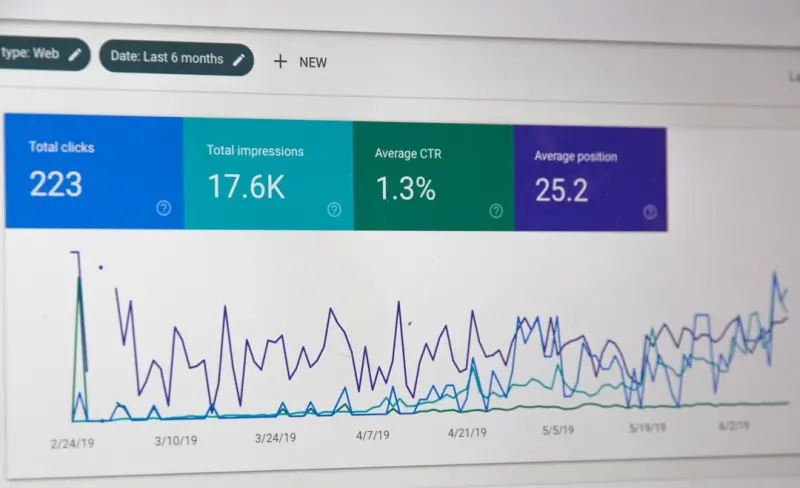
Turning On‑Site Search Insights Into an SEO Powerhouse
Learn how to turn the queries users type into your product’s search bar into a data‑driven SEO strategy—boosting rankings, conversions, and overall growth...Read More
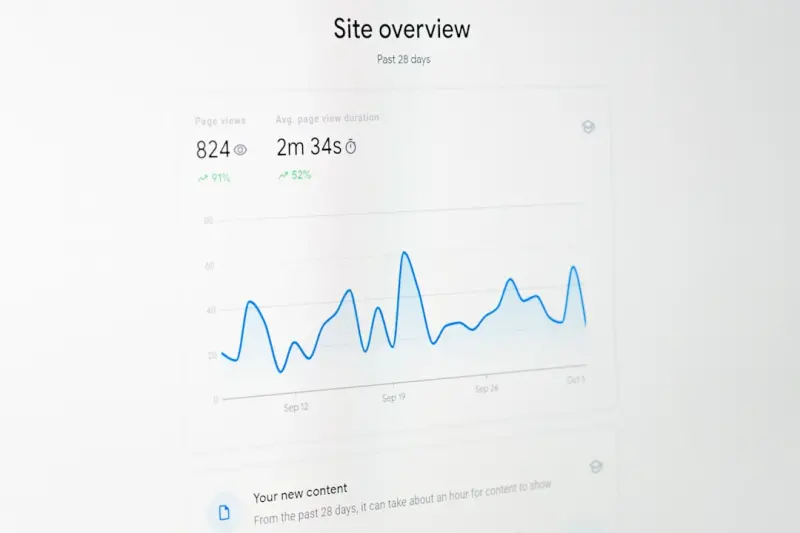
Navigating the New Multi‑Dimensional SERP Landscape
Learn why SERPs are no longer just lists and get a clear, actionable plan to capture visual, zero‑click and AI‑driven real estate for higher visibility and ...Read More

Harnessing Search Intent Clusters to Own the SERP Landscape
Discover why traditional keyword tactics are outdated and how grouping related queries into intent clusters can dominate multiple SERP features, improve convers...Read More
0 Comments
Post Comment
You will need to Login or Register to comment on this post!