

From Desk to Feed: Making Employee Advocacy the Core of Your Social Strategy
When I first stepped into a B2B SaaS boardroom, the conversation about social strategy always circled around paid ads, influencer contracts, and algorithm hacks. It felt like we were trying to shout louder than the next megaphone‑wielding brand. The moment I asked, “Who’s already talking about us every day?” the room fell silent. The answer was right under our noses—our own employees.
Employee advocacy isn’t a buzzword; it’s a structural shift in how we think about brand conversation. Instead of treating employees as background support, we elevate them to the front line of our social narrative. This approach does three things simultaneously:
- Authenticity: People trust people more than they trust polished brand copy.
- Reach: Every employee’s network is a micro‑audience you already own.
- Engagement: Content shared by insiders sparks higher interaction rates.
Below is a step‑by‑step playbook for turning that latent power into a sustainable, measurable social engine.
1. Diagnose Your Current Culture of Sharing
Before you hand out brand guidelines, you need a clear snapshot of how your people already talk about work online. Conduct a low‑key audit:
- Search for your company name on LinkedIn, Twitter, and niche forums.
- Identify which employees are already active and what topics they discuss.
- Measure the engagement of those posts—likes, comments, shares, and click‑throughs.
The goal isn’t to police behavior but to understand the natural rhythms of conversation. You might discover that your product engineers love sharing code snippets, while your customer success team excels at storytelling about client wins.
2. Build a “Social Ambassador” Framework
Not everyone needs to be a brand evangelist, but a curated group of ambassadors can amplify the message without feeling forced. Choose ambassadors based on three criteria:
- Social Fluency: Comfortable posting, commenting, and engaging.
- Thought Leadership: Has insights that align with your product’s value proposition.
- Cross‑Functional Reach: Represents diverse departments for a 360° brand view.
Once you have your core cohort, give them a lightweight “Social Playbook” that includes:
- Brand voice tone (but not rigid scripts).
- Content pillars—industry trends, product tips, behind‑the‑scenes moments.
- Legal and compliance checklists.
3. Equip Your Team with Share‑Ready Assets
One of the biggest friction points is “I don’t have anything to share.” Solve it by creating a content reservoir that employees can pull from in seconds:
- Micro‑videos: 30‑second clips of product demos or customer testimonials.
- Infographics: Data‑driven visuals that illustrate industry pain points.
- Pre‑written captions: Short, adaptable copy that respects personal voice.
Use a simple internal portal—think a shared Google Drive folder or a dedicated Slack channel—so assets are always a click away. When you release a new feature, the moment it’s live, push a ready‑made post to the ambassadors’ feed.
4. Incentivize Without Turning It Into a Gamified Contest
Monetary bonuses or leaderboard competitions can feel gimmicky and may erode authenticity. Instead, focus on intrinsic motivators:
- Professional Growth: Offer LinkedIn Learning credits for those who consistently share valuable insights.
- Visibility: Feature top contributors in internal newsletters and on the company intranet.
- Impact Reports: Show how an employee’s post led to a qualified lead or media pickup.
These incentives reinforce the idea that sharing is part of the employee’s role as a brand custodian, not a side hustle.
5. Integrate Social Listening to Fine‑Tune Messaging
Even if you’re championing employee voices, you still need to hear what the market is saying. A lightweight listening setup—like a real‑time social intelligence dashboard—lets you capture emerging questions, complaints, and trends. Feed that intel back to your ambassadors so their posts remain timely and relevant.
For example, if you notice a spike in conversations about data security, prompt your tech lead to share a short “myth‑busting” video. The result is a conversation that feels both organic and strategic.
6. Measure Success with the Right KPIs
Traditional social metrics (impressions, follower counts) only tell part of the story. When you pivot to employee advocacy, add these dimensions:
- Amplification Ratio: Shares per employee post versus brand‑only posts.
- Engagement Quality: Comments that reference product features or ask follow‑up questions.
- Lead Attribution: Use UTM parameters unique to each ambassador to track pipeline contribution.
Set baseline numbers during the pilot phase, then iterate quarterly. The data will reveal which departments drive the most qualified conversations and where you need to nurture more voices.
7. Scale Thoughtfully Across the Organization
Once the pilot shows measurable lift—say a 40% increase in referral traffic from employee posts—it’s tempting to roll out to every employee instantly. Resist that urge. Instead, expand in waves:
- Phase 1: Core ambassadors (5‑10% of workforce).
- Phase 2: Early adopters from adjacent teams.
- Phase 3: Company‑wide optional participation.
Each wave gets a refreshed playbook that reflects lessons learned, ensuring the program stays fresh and not a “once‑and‑done” checklist.
8. Leverage Emerging Audio‑First Spaces (When It Makes Sense)
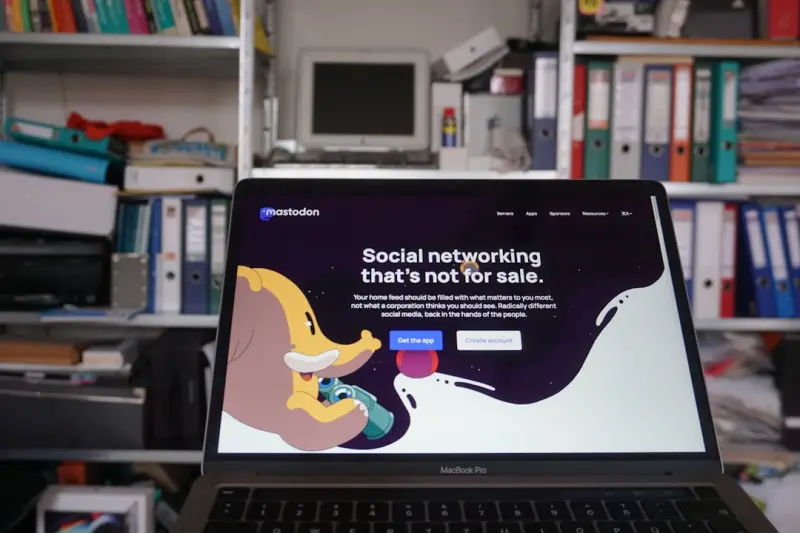
While our focus is employee‑driven written content, don’t ignore the rise of audio‑first platforms. If a segment of your team enjoys podcasting or voice‑based webinars, give them the tools to repurpose existing content into audio snippets. A quick reference to audio‑first social communities can help you decide where these formats fit into your broader strategy.
9. Keep the Conversation Two‑Way
Social is not a broadcast channel; it’s a dialogue. Encourage ambassadors to respond to comments, ask follow‑up questions, and even flag recurring concerns back to product or support teams. This creates a feedback loop where the market’s voice directly influences internal decision‑making.
10. Celebrate the Human Side of Your Brand
At the end of the day, people connect with people, not with logos. Share moments that showcase your team’s personality—virtual coffee chats, community volunteering, or a behind‑the‑scenes look at a sprint planning session. These stories humanize the brand and make your social presence feel less like a corporate billboard and more like a friendly neighborhood conversation.
When employees become the most trusted storytellers, your brand narrative gains credibility, reach, and resilience—all without the perpetual chase for new ad spend. The secret isn’t a fancy algorithm; it’s a simple cultural shift: empower your people to speak, listen, and iterate together.

Brandy Miller is a dynamic freelance writer based in the vibrant city of Cambridge, Ontario. With a passion for storytelling that knows no bounds, she crafts compelling narratives that captivate and inspire. Brandy’s love for writing shines through in her versatile work, whether she’s penning thought-provoking articles or engaging content that resonates with readers. Her unique perspective and friendly tone make her a sought-after voice in the writing community. When she’s not weaving words together, you can find her exploring the beautiful landscapes of Ontario, always seeking new adventures and inspiration for her next piece. Brandy is not just a writer; she’s a creative force, making her mark one word at a time.
Related Posts

The Micro‑Influencer Playbook: Turning Niche Voices into SaaS Growth Engines
Discover a step‑by‑step guide to identifying, partnering with, and amplifying micro‑influencer... Read More
The Community‑Centric Social Blueprint That Turns Users into Co‑Creators
A step‑by‑step guide to building a community‑first social strategy that turns customers into c... Read More

How Private B2B Communities Turn Conversations into Conversions
Private B2B communities shift social strategy from noisy broadcasting to focused dialogue, deliverin... Read More
Top Posts
Predictive SEO: How to Stay Ahead of Search Trends
Learn to use data, AI, and trend‑forecasting to anticipate search queries before they explode, giving your site a proactive SEO advantage....Read More

Link Building Reimagined: Harnessing Data‑Driven Partnerships for Sustainable Authority
A fresh perspective on link building shows how data‑driven partnerships, interactive assets, and ethical outreach can create sustainable authority in today’...Read More

Account‑Based Social Media: The Secret Sauce for SaaS Revenue Growth
A step‑by‑step guide to turning social media into a precise, account‑based engine that aligns marketing and sales, drives qualified pipeline, and shortens...Read More

The Link‑Building Playbook for 2024: Strategies That Stand the Test of Time
Shawn DesRochers reveals how to blend classic outreach with AI‑driven research, align links with content clusters, and build sustainable relationships for las...Read More
0 Comments
Post Comment
You will need to Login or Register to comment on this post!