

Why Visual Search is the Quiet Revolution Changing eCommerce
When I first heard a shopper say, “I saw this dress on Instagram, can I find it here?” I realized we were at a crossroads. Traditional text‑based search is hitting a wall, and customers are demanding a way to bridge the visual gap between inspiration and purchase. The answer isn’t just a fancy algorithm; it’s a shift in how we think about discovery.
Visual search lets users upload a photo or snap a screenshot, and instantly returns product matches, even if the image is low‑resolution or taken from an angle. It’s like handing a friend a picture and saying, “Find me exactly this.” For eCommerce brands, that means turning casual browsers into qualified buyers in seconds.
Implementing visual search isn’t as daunting as it sounds. Modern AI platforms provide plug‑and‑play SDKs that can be embedded in minutes. The heavy lifting—image indexing, similarity scoring, and relevance tuning—is handled in the cloud, so you don’t need a Ph.D. in computer vision to get started.
The Hidden Cost of Returns and How AR/VR Can Cut It Down
Returns are the silent profit killer for online retailers. According to industry research, the average return rate for apparel hovers around 30%, and for electronics it can exceed 15%. Every return incurs shipping fees, restocking labor, and the dreaded “out‑of‑stock after return” scenario.
Enter augmented reality (AR) and virtual reality (VR). By letting shoppers visualize clothing on a digital avatar or see a piece of furniture in their living room, you dramatically reduce uncertainty. A well‑executed AR experience can lower return rates by up to 25% because customers have a clearer picture of fit and scale before they click “Add to Cart.”
Implementation doesn’t have to break the bank. Many platforms offer simple SDKs that integrate with your existing product catalog, turning each SKU into an interactive 3D model with a few lines of code.
AI‑Driven Recommendations That Go Beyond “Personalization”
Everyone’s talking about personalization, but the next frontier is contextual intelligence. Instead of merely showing “you might also like” based on past purchases, AI can factor in real‑time signals like weather, local events, and even the shopper’s current mood (detected via sentiment analysis of their chat). This creates a recommendation engine that feels proactive rather than reactive.
For example, a user browsing rain jackets on a sunny day in Miami might be served a stylish umbrella or a waterproof backpack, anticipating their future needs. Such forward‑thinking recommendations increase average order value (AOV) and reduce bounce rates because the shopper feels understood without being overtly “personalized.”
Building this engine requires three ingredients:
- Rich data collection: Capture not just purchase history but on‑site behavior, device type, and even third‑party signals like social trends.
- Real‑time processing: Deploy edge‑compute solutions that can evaluate context in milliseconds.
- Ethical AI governance: Ensure transparency and avoid invasive profiling that could alienate privacy‑concious shoppers.
When done right, the result is a seamless, almost psychic shopping experience that nudges customers toward higher‑margin items without feeling pushy.
Sustainable Packaging: The Unexpected Conversion Lever
Eco‑consciousness isn’t just a buzzword; it’s a decisive factor in purchase decisions for a growing segment of consumers. A study showed that 73% of shoppers are willing to pay a premium for sustainable packaging. Yet many brands treat sustainability as an afterthought, missing a key opportunity to differentiate.
Here’s how to turn green packaging into a conversion engine:
- Transparent storytelling: Use your product pages to showcase the materials, recycling process, and carbon offset initiatives. Visual badges and short videos can amplify credibility.
- In‑cart prompts: Offer a “green upgrade” option at checkout—perhaps a reusable tote or biodegradable mailer—presented as a small add‑on rather than an extra cost.
- Closed‑loop incentives: Implement a return‑for‑recycle program where customers earn loyalty points for sending back packaging, creating a virtuous loop of engagement.
By weaving sustainability into the buying journey, you’re not just satisfying a moral imperative; you’re tapping into a powerful motivator that can lift conversion rates by up to 12%.
Omnichannel Fulfillment: Meeting the “Buy Online, Pickup In‑Store” Expectation
The line between brick‑and‑mortar and digital storefronts is blurring. Shoppers now expect to browse online, compare in‑store, and either have the item delivered or pick it up within hours. Failure to meet this expectation results in cart abandonment and lost loyalty.
To master omnichannel fulfillment, consider these three pillars:
- Unified inventory management: A single source of truth for stock levels across all channels prevents overselling and keeps the customer informed in real time.
- Flexible shipping options: Offer same‑day delivery, curbside pickup, and locker retrieval. The more choices, the higher the conversion.
- Integrated returns process: Allow customers to return online orders in‑store and vice‑versa. This reduces friction and encourages repeat purchases.
Technology providers now offer APIs that sync inventory across Shopify, Magento, and even legacy ERP systems. Leveraging these integrations can shave hours off fulfillment time, turning “just browsing” into a decisive purchase moment.
Leveraging Data Partnerships Without the Heavy Lifting
Data is the new oil, but most eCommerce teams lack the resources to mine it effectively. Instead of building massive data lakes, partner with niche data providers that specialize in specific verticals—like fashion trend forecasting or consumer sentiment on emerging platforms.
These partnerships provide ready‑to‑use data sets that can be plugged into your recommendation engine, inventory forecasting, or marketing segmentation. The key is to establish reciprocal value: you give the partner access to anonymized performance metrics, and they give you curated insights that would otherwise take months to develop.
To get started, identify one high‑impact data need—say, predicting the next seasonal color palette—and reach out to a trend agency that offers a subscription feed. Within weeks, you’ll have actionable insights that feed directly into product planning and marketing copy.
Turning Community‑Driven Content into an SEO Boost
While many brands focus on polished blog posts, there’s untapped SEO power in community‑generated content. Think of reviews, Q&A sections, and user‑submitted style guides. These assets are fresh, authentic, and rich with long‑tail keywords that search engines love.
To harness this, implement a structured content pipeline:
- Encourage reviews with incentives: Offer loyalty points for detailed feedback, not just star ratings.
- Curate user stories: Highlight top contributors on your product pages, linking back to their original posts.
- Optimize schema markup: Use structured data techniques to ensure search engines recognize and elevate this user‑generated content.
When done correctly, community content can increase organic traffic by up to 20%, while simultaneously building trust and social proof.
A Practical Roadmap for eCommerce Leaders
Putting all these ideas together might feel overwhelming, so here’s a step‑by‑step plan you can start executing next week:
- Audit your search experience: Add a visual search widget to a high‑traffic category and measure conversion lift.
- Launch a pilot AR feature: Choose a best‑selling product line, create 3D models, and monitor return rate changes.
- Upgrade your recommendation engine: Integrate contextual signals like weather APIs and test A/B variations.
- Introduce sustainable packaging options: Add a “green upgrade” checkbox at checkout and track uplift in AOV.
- Synchronize inventory across channels: Implement a unified inventory API and enable BOPIS (Buy Online, Pickup In‑Store) for select locations.
- Secure a data partnership: Identify one data vendor, sign a trial, and feed insights into your demand‑forecasting model.
- Activate community content: Incentivize reviews, embed them with schema markup, and watch organic traffic grow.
Every initiative can be measured, iterated, and scaled. The secret isn’t doing everything at once; it’s choosing the levers that align with your brand’s unique strengths and executing with relentless focus.
Conclusion: The Future Is Already Here, Just a Click Away
eCommerce is no longer a battle of price versus product; it’s a contest of experience versus expectation. By embracing visual search, AR/VR, contextual AI, sustainable packaging, omnichannel fulfillment, smart data partnerships, and community‑driven SEO, you’re not just keeping up—you’re setting the pace.
Remember, the most successful brands are those that turn emerging tech into everyday convenience for their shoppers. When technology works seamlessly in the background, the customer never notices the effort—only the delight.

Nikki McDonald is a freelancer based in Waterloo. She brings her skills and expertise to various projects, balancing her professional work with a personal life that includes her husband, Stewart.
Related Posts

The Subscription‑First Playbook: Turning One‑Time Shoppers Into Loyal Community Members
Explore a fresh eCommerce strategy that shifts focus from single transactions to recurring relations... Read More

Why Sustainable Packaging Is the Next Competitive Frontier for eCommerce Brands
Sustainable packaging is rapidly becoming a decisive factor for online retailers. This post reveals ... Read More

The Hidden Power of Post‑Purchase Experiences: Turning Buyers into Lifelong Advocates
A compelling post‑purchase strategy transforms a simple transaction into a lasting relationship. L... Read More
Top Posts

Zero‑Click SERP Opportunities: Turning Passive Results into Active Leads
Zero‑click searches dominate modern SERPs, but SaaS companies can still win by embedding brand value directly into snippets, videos, and rich answers—turnin...Read More
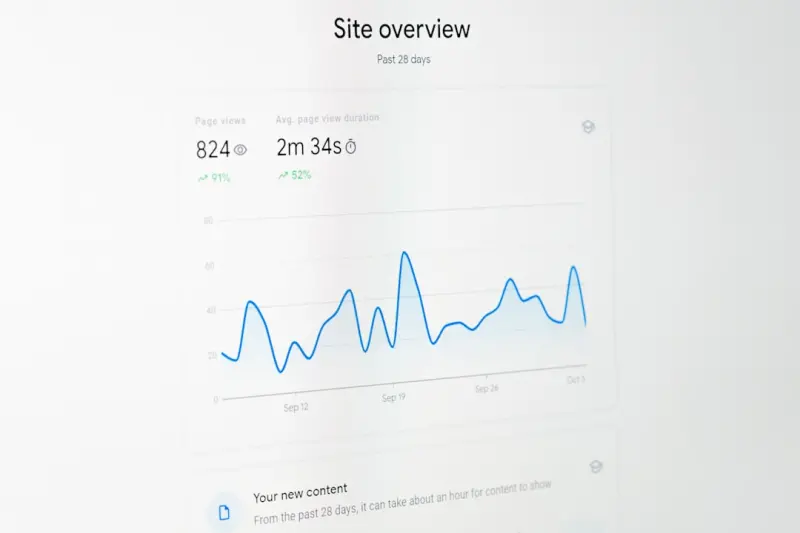
Beyond the Text Box: How Visual SERP Features Are Redefining Search Visibility
Visual SERP features like image carousels and video previews are stealing the spotlight from traditional text links. Discover why they matter, how to optimize f...Read More

Human‑First Link Building: Turning Relationships into Rankings
Explore a human‑first link building strategy that replaces volume‑driven tactics with authentic relationships, turning genuine collaborations into powerful ...Read More

The Evolution of Social Media Strategy: A New Era of Authenticity and Engagement
The social media landscape is evolving rapidly. Learn how businesses can adapt and stay ahead by prioritizing authenticity, engagement, and customer experience....Read More
0 Comments
Post Comment
You will need to Login or Register to comment on this post!