

The Evolution of Mobile SEO: Strategies to Stay Ahead
Mobile SEO has become a crucial aspect of digital marketing, with the majority of online searches now conducted on mobile devices. As a result, businesses must adapt their SEO strategies to prioritize mobile optimization. In this article, we'll explore the evolution of mobile SEO and provide actionable tips on how to stay ahead in a rapidly changing landscape.
The Rise of Mobile-First Indexing
Google's mobile-first indexing has been a game-changer for mobile SEO. This shift in indexing prioritizes mobile-friendly websites over desktop versions, making it essential for businesses to ensure their website is optimized for mobile devices. A mobile-friendly website not only improves user experience but also increases search engine rankings.
To optimize for mobile-first indexing, businesses must focus on responsive web design, fast loading speeds, and easy navigation. A responsive website automatically adjusts its layout and content to fit different screen sizes and devices, providing a seamless user experience. Additionally, optimizing images, minifying CSS and JavaScript files, and leveraging browser caching can significantly improve page load times.
The Importance of Page Speed
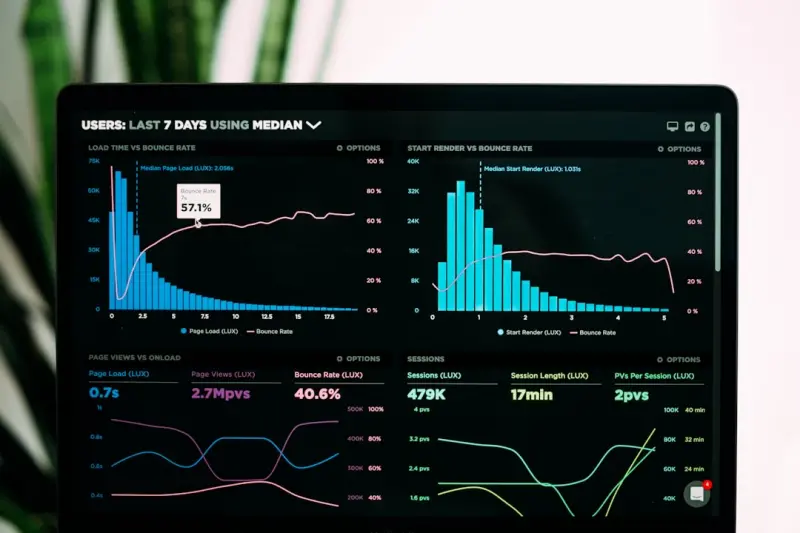
Page speed is a critical factor in mobile SEO, as slow-loading websites can negatively impact user experience and search engine rankings. With the increasing use of mobile devices, users expect fast and seamless browsing experiences. A slow-loading website can lead to high bounce rates, decreased engagement, and ultimately, a loss in conversions.
To improve page speed, businesses can optimize images, minify files, and leverage browser caching. Tools like Google PageSpeed Insights can help identify areas for improvement and provide recommendations for optimization. Furthermore, technical SEO plays a crucial role in improving page speed, as it involves optimizing website infrastructure and architecture for better performance.
The Role of Content in Mobile SEO
High-quality, relevant, and engaging content is essential for mobile SEO. With the rise of voice search, businesses must focus on creating content that answers users' questions and provides value. A local SEO strategy can help businesses target specific geographic regions and increase their online visibility.
To create mobile-friendly content, businesses should focus on short, concise paragraphs, and use clear headings and subheadings. Additionally, optimizing content for voice search by using natural language and long-tail keywords can improve search engine rankings. By creating high-quality, engaging content, businesses can increase user engagement, drive conversions, and ultimately, improve their mobile SEO rankings.
The Impact of Social Media on Mobile SEO
Social media has become an integral part of mobile SEO, as it provides businesses with an opportunity to engage with their target audience and drive traffic to their website. By sharing high-quality content on social media platforms, businesses can increase their online visibility, drive engagement, and ultimately, improve their mobile SEO rankings.
Moreover, social media signals can also impact search engine rankings, as they provide search engines with an indication of a website's credibility and authority. By leveraging social media platforms, businesses can increase their online presence, drive traffic to their website, and ultimately, improve their mobile SEO rankings.
The Future of Mobile SEO
The future of mobile SEO is rapidly evolving, with new technologies and trends emerging every day. One of the most significant trends in mobile SEO is the rise of voice search, which is expected to continue growing in the coming years. Businesses must adapt their SEO strategies to prioritize voice search, by creating content that answers users' questions and provides value.
Additionally, the increasing use of artificial intelligence and machine learning in search engines will require businesses to focus on creating high-quality, engaging content that provides value to users. By staying ahead of the curve and adapting to the latest trends and technologies, businesses can improve their mobile SEO rankings, drive traffic to their website, and ultimately, increase conversions.
Conclusion
In conclusion, mobile SEO is a rapidly evolving field that requires businesses to adapt their SEO strategies to prioritize mobile optimization. By focusing on responsive web design, fast loading speeds, and high-quality content, businesses can improve their mobile SEO rankings, drive traffic to their website, and ultimately, increase conversions. Additionally, leveraging social media platforms and staying ahead of the latest trends and technologies can help businesses stay ahead in a rapidly changing landscape.
By implementing these strategies, businesses can improve their online visibility, drive engagement, and ultimately, achieve their digital marketing goals. As the mobile SEO landscape continues to evolve, businesses must stay informed and adapt their strategies to stay ahead of the competition.
Final Tips and Recommendations
To stay ahead in mobile SEO, businesses should focus on the following:
- Optimize for mobile-first indexing by ensuring a responsive website design
- Improve page speed by optimizing images, minifying files, and leveraging browser caching
- Create high-quality, engaging content that provides value to users
- Leverage social media platforms to drive traffic and engagement
- Stay ahead of the latest trends and technologies in mobile SEO
By following these tips and recommendations, businesses can improve their mobile SEO rankings, drive traffic to their website, and ultimately, achieve their digital marketing goals.
The Evolution of Mobile SEO: A Continuous Process
The evolution of mobile SEO is a continuous process that requires businesses to stay informed and adapt their strategies to stay ahead of the competition. By prioritizing mobile optimization, creating high-quality content, and leveraging social media platforms, businesses can improve their online visibility, drive engagement, and ultimately, achieve their digital marketing goals.
In today's rapidly changing digital landscape, businesses must be proactive and adaptable to stay ahead of the competition. By staying informed and implementing the latest strategies and technologies, businesses can improve their mobile SEO rankings and drive traffic to their website.
Key Takeaways
The key takeaways from this article are:
- Mobile SEO is a crucial aspect of digital marketing that requires businesses to adapt their SEO strategies to prioritize mobile optimization
- Google's mobile-first indexing prioritizes mobile-friendly websites over desktop versions
- Page speed is a critical factor in mobile SEO, as slow-loading websites can negatively impact user experience and search engine rankings
- High-quality, relevant, and engaging content is essential for mobile SEO
- Social media has become an integral part of mobile SEO, as it provides businesses with an opportunity to engage with their target audience and drive traffic to their website
By implementing these strategies and staying informed, businesses can improve their mobile SEO rankings, drive traffic to their website, and ultimately, achieve their digital marketing goals.

William Roy is a freelance writer originally from Montreal who moved to Ottawa with his wife of 50 years to be closer to their grandkids. Alongside his writing, William has a passion for fishing.
Related Posts

Mobile‑First Mastery: A Strategic Blueprint for Future‑Ready Rankings
Discover a comprehensive mobile‑first SEO playbook that blends structured data, performance metric... Read More

Unlocking Mobile SEO: Transforming SaaS Documentation into Ranking Gold
This guide shows SaaS marketers how to redesign documentation for mobile, improve Core Web Vitals, l... Read More

App Indexing & PWAs: The Real Mobile SEO Edge for SaaS
A deep dive into leveraging app indexing and PWAs to transform mobile SEO for SaaS, covering practic... Read More
Top Posts

Mastering the 2024 SERPs: Miranda Murphy’s Insider Playbook
Miranda Murphy reveals how to conquer the 2024 SERPs with AI‑driven intent, zero‑click tactics, technical excellence, and smart link building for lasting au...Read More
Personalized Link Building: Turning Data Into High‑Authority Backlinks for SaaS
Discover a data‑centric approach to link building that replaces generic outreach with personalized, metric‑backed pitches, delivering higher response rates ...Read More

Storytelling for Local SEO: Turning Your Business Profile into a Neighborhood Magnet
Discover a fresh approach to local SEO that treats your Google Business Profile as a living story, integrates hyper‑local content hubs, and harnesses employee...Read More

The Future of eCommerce: Trends to Watch
The eCommerce industry is rapidly evolving, with new trends emerging every year. Stay ahead of the curve and discover the latest eCommerce trends to watch....Read More
0 Comments
Post Comment
You will need to Login or Register to comment on this post!