

The Evolution of E-commerce: How to Stay Ahead in a Rapidly Changing Landscape
As an e-commerce enthusiast, I've witnessed firsthand the rapid evolution of the digital landscape. The way we shop, interact with brands, and consume information has changed dramatically over the years. In this article, I'll share my insights on the current state of e-commerce and provide actionable tips on how to stay ahead in this rapidly changing landscape.
The rise of mobile devices has revolutionized the way we shop online. With the majority of consumers using their smartphones to browse and purchase products, mobile optimization has become a crucial aspect of e-commerce. A mobile-friendly website not only provides a better user experience but also improves search engine rankings. In fact, Google's algorithm prioritizes mobile-friendly websites, making it essential for e-commerce businesses to adapt to this shift. For more information on mobile SEO, check out Mobile SEO: The Game Changer in Digital Marketing.
The Importance of Social Media in E-commerce
Social media has become an integral part of e-commerce, enabling businesses to connect with their target audience, build brand awareness, and drive sales. Platforms like Instagram, Facebook, and Pinterest have given rise to influencer marketing, allowing brands to partner with influencers who have a large following. This type of marketing not only increases brand visibility but also drives conversions. To learn more about the intersection of social media and SEO, read The Intersection of Social Media and SEO: A Winning Strategy.
The Role of SEO in E-commerce
Search engine optimization (SEO) plays a vital role in e-commerce, helping businesses to increase their online visibility, drive organic traffic, and boost sales. With the ever-changing landscape of SEO, it's essential for e-commerce businesses to stay up-to-date with the latest trends and best practices. Technical SEO is a critical aspect of e-commerce SEO, involving the optimization of website structure, content, and coding to improve crawlability and indexability. For more information on technical SEO, check out Technical SEO: The Backbone of Modern Search Engine Optimization.
The Rise of Local E-commerce
The importance of local SEO cannot be overstated, especially for e-commerce businesses with physical stores or those targeting specific geographic regions. Local SEO enables businesses to optimize their online presence for local search queries, increasing their visibility and driving foot traffic to their stores. To learn more about local SEO, read Why Local SEO Matters: A Guide to Dominating Your Local Market.
The Impact of Artificial Intelligence on E-commerce
Artificial intelligence (AI) is transforming the e-commerce landscape, enabling businesses to personalize their marketing efforts, improve customer experiences, and optimize their operations. AI-powered chatbots are being used to provide 24/7 customer support, while machine learning algorithms are being used to predict customer behavior and preferences.
The Future of E-commerce
The future of e-commerce is exciting and uncertain, with new technologies and trends emerging every day. To stay ahead in this rapidly changing landscape, e-commerce businesses must be agile, adaptable, and willing to experiment with new strategies and technologies. Some of the key trends to watch include voice commerce, social commerce, and omnichannel retailing.
Omnichannel Retailing: The Key to Success
Omnichannel retailing involves providing a seamless shopping experience across multiple channels, including online, offline, and mobile. This approach enables businesses to connect with their customers at every touchpoint, providing a cohesive and personalized experience. By adopting an omnichannel approach, e-commerce businesses can increase customer loyalty, drive sales, and stay ahead of the competition.
Conclusion
In conclusion, the e-commerce landscape is rapidly evolving, with new technologies and trends emerging every day. To stay ahead in this changing landscape, e-commerce businesses must be agile, adaptable, and willing to experiment with new strategies and technologies. By focusing on mobile optimization, social media, SEO, local SEO, and omnichannel retailing, e-commerce businesses can increase their online visibility, drive sales, and stay ahead of the competition.
Some key takeaways from this article include:
* Mobile optimization is crucial for e-commerce businesses * Social media plays a vital role in e-commerce, enabling businesses to connect with their target audience and drive sales * SEO is essential for e-commerce businesses, helping to increase online visibility and drive organic traffic * Local SEO is critical for e-commerce businesses with physical stores or those targeting specific geographic regions * Omnichannel retailing provides a seamless shopping experience across multiple channels, increasing customer loyalty and driving sales.
By following these tips and staying up-to-date with the latest trends and best practices, e-commerce businesses can thrive in this rapidly changing landscape.

Tammy French is a Montessori Teaching Assistant and freelance writer passionate about education, creativity, and inspiring lifelong learning through engaging content.
Related Posts

AI‑Powered Product Bundles: The Secret Sauce for Higher eCommerce AOV
Learn why AI‑powered bundles are reshaping eCommerce, how to implement them, and the psychology th... Read More

Level Up: Gamifying the eCommerce Journey
Turn ordinary shopping into an engaging game. Learn why gamification is the next growth lever for eC... Read More

The Future of E-commerce: How Social Media and SEO Are Revolutionizing Online Sales
The future of e-commerce is here. Learn how social media and SEO are revolutionizing online sales an... Read More
Top Posts

Privacy‑First Advertising: Harnessing Data Clean Rooms for Smarter Campaigns
Learn why data clean rooms are the backbone of privacy‑first advertising, offering compliant insights, precise measurement, and a strategic edge for savvy mar...Read More
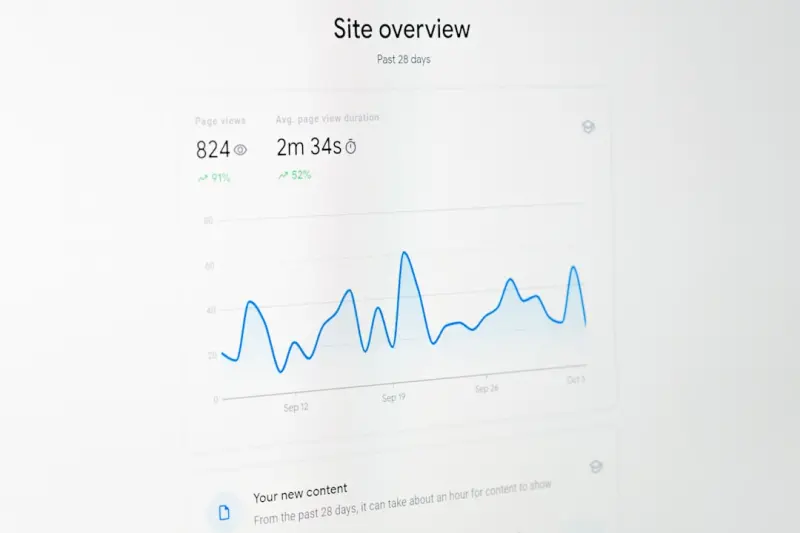
Turn Your SaaS Pricing Page Into an SEO Powerhouse
A step‑by‑step guide shows why a SaaS pricing page is a hidden SEO goldmine and how to turn it into a traffic‑generating, conversion‑driving asset....Read More
Empathy‑Driven SEO: How Human Insight Elevates Rankings
Learn why empathy is the new power move in SEO, how to craft human‑focused content, and turn relationships into authoritative backlinks for lasting search suc...Read More

The Human‑Centric Revolution in Modern Link Building
Explore a fresh, human‑centric approach to link building that blends empathy, data, and technical finesse, turning each backlink into a genuine partnership an...Read More
0 Comments
Post Comment
You will need to Login or Register to comment on this post!