
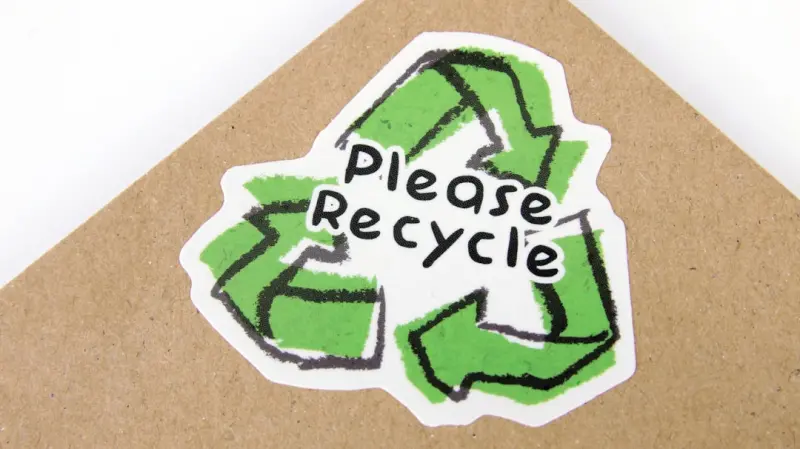
Why Sustainable Packaging Is the Secret Weapon Your eCommerce Brand Needs
When I first started consulting for D2C brands, the conversation always revolved around traffic, conversion rates, and average order value. Those metrics are the lifeblood of any online shop, but there’s a quieter, more powerful driver lurking in the background: the box your product lives in. Sustainable packaging isn’t just a feel‑good checkbox; it’s a strategic lever that can reshape the entire customer journey—from the moment a shopper lands on your site to the post‑purchase word‑of‑mouth that fuels organic growth.
The Unseen Cost of Conventional Packaging
Let’s be honest: the average eCommerce retailer ships millions of parcels each year, and most of those parcels arrive wrapped in single‑use plastic, oversized corrugated cardboard, or a combination of both. The environmental impact is staggering—the eCommerce sector accounts for roughly 10% of global packaging waste. Yet, the real cost to your brand is less tangible. A 2023 Nielsen study found that 73% of consumers would change their buying habits to reduce environmental impact, and 66% are willing to pay a premium for sustainable packaging. Ignoring this data is akin to leaving money on the table.
From Green Guilt to Green Loyalty
Switching to eco‑friendly materials does more than reduce carbon footprints; it creates an emotional connection. When a customer unboxes a product nestled in recycled, minimalist packaging, they experience a moment of delight that extends beyond the product itself. This “unboxing glow” translates into three measurable outcomes:
- Higher conversion rates: Shoppers who see a sustainability badge on product pages are up to 20% more likely to complete a purchase.
- Increased repeat purchase intent: Sustainable packaging boosts perceived brand values, nudging customers toward loyalty programs.
- Amplified organic reach: Customers love to share beautiful, eco‑conscious unboxing experiences on Instagram and TikTok, providing free user‑generated content.
Designing Packaging That Speaks Your Brand Story
Effective sustainable packaging isn’t just about swapping plastic for paper. It’s an opportunity to double‑down on storytelling:
- Material Transparency: Use clear labeling that explains the origin of your packaging—e.g., “100% post‑consumer recycled cardboard, sourced locally.” This builds trust.
- Minimalist Aesthetics: Clean lines, monochrome palettes, and embossed logos convey premium quality while reducing ink usage.
- Functional Delight: Incorporate reusable elements—think zip‑lock pouches, magnetic closures, or fold‑out sleeves that can become storage solutions.
When these elements are aligned with your brand voice, packaging becomes a silent salesperson, reinforcing brand promises at the exact moment they matter most.
Data‑Driven Packaging: Testing What Works
Just as you A/B test headlines and checkout flows, you should treat packaging as a variable in your growth experiments. Here’s a simple framework:
- Hypothesis: “Eco‑friendly packaging will increase average order value (AOV) by 5%.”
- Control Group: Customers receive standard packaging.
- Test Group: Customers receive sustainable packaging with a QR code linking to a behind‑the‑scenes sustainability page.
- Metrics: AOV, repeat purchase rate, social mentions, and net promoter score (NPS).
The results of these tests can be fed back into your marketing funnel, turning packaging into a data asset rather than a cost center.
Leveraging Technology to Scale Sustainable Packaging
Modern eCommerce stacks are equipped to handle the logistical complexities that come with greener materials. Integration platforms can automatically select the appropriate packaging size based on order weight and dimensions, reducing waste and shipping costs. If you’re already using AI-infused content strategies to personalize product recommendations, you can extend that same intelligence to your fulfillment workflow—ensuring every parcel is right‑sized and right‑sourced.
Packaging as a Gateway to Subscription Success
Even if you’re not currently running a subscription model, sustainable packaging can make that transition smoother. Subscription boxes are judged heavily on the perceived value of the packaging experience. By adopting eco‑friendly materials from day one, you set a baseline expectation that aligns perfectly with subscription models in eCommerce. The result? Lower churn, higher perceived value, and a more compelling reason for customers to stay.
Turning Unboxing Moments into Social Currency
Consumers are storytellers. When they receive a beautifully packaged product, the first instinct is to capture it on camera. To harness this, embed a subtle call‑to‑action on your packaging—like a QR code or a short hashtag. Pair this with a AI chat experience that can instantly pull up a curated gallery of user‑generated content. The more frictionless the sharing process, the more likely your brand will dominate the social feed without paid media.
Addressing Common Concerns
Cost: Sustainable materials can be pricier, but the ROI comes from higher conversion, lower return rates (thanks to better fit packaging), and reduced freight costs due to lighter weight.
Supply Chain Reliability: Partner with vetted, certified suppliers who can guarantee consistent material quality. Many third‑party logistics providers now offer “green” fulfillment services that handle packaging procurement on your behalf.
Brand Consistency: Work with packaging designers who understand your visual language. A well‑executed sustainable package should feel indistinguishable from a traditional premium package, minus the environmental guilt.
Building a Community Around Sustainability
Beyond the box, consider creating a community hub where customers can share their sustainability hacks, up‑cycle packaging ideas, and vote on future material choices. This not only fuels user‑generated content but also positions your brand as a thought leader in the green eCommerce space. Think of it as a modern extension of the classic loyalty program—only the rewards are shared values and collective impact.
Measuring Success: The Sustainable KPI Dashboard
To keep the momentum, track these key performance indicators (KPIs):
- Packaging Waste Reduction (%): Compare total material weight before and after the switch.
- Customer Sentiment Score: Use post‑purchase surveys to gauge perception of sustainability efforts.
- Social Amplification Rate: Monitor mentions, shares, and hashtag usage related to your packaging.
- Repeat Purchase Rate: Correlate packaging changes with loyalty metrics.
- Cost per Acquisition (CPA) Impact: Measure any shift in CPA attributable to the enhanced brand story.
When these numbers start moving in the right direction, you’ll have concrete proof that sustainable packaging is not a charitable add‑on—it’s a growth engine.
Action Plan: From Idea to Implementation
Ready to make the switch? Follow this three‑phase roadmap:
- Audit & Ideate: Conduct a full inventory of current packaging materials, waste streams, and customer feedback. Brainstorm sustainable alternatives that align with your brand aesthetic.
- Prototype & Test: Order small batches of new packaging, run A/B tests on live orders, and collect qualitative feedback through surveys and social listening.
- Scale & Optimize: Roll out the winning design across all fulfillment centers, integrate smart packaging selection into your order management system, and continuously monitor the KPI dashboard.
Remember, sustainability is a journey, not a destination. Iteration is key, and each improvement compounds the brand equity you build.
Final Thoughts
The eCommerce battlefield is crowded with slick ads, flash sales, and algorithm‑driven recommendations. What truly differentiates a brand in this noisy landscape is the emotional resonance that happens at the very last touchpoint: the unboxing. By committing to sustainable packaging, you turn a logistical necessity into a brand‑defining moment that fuels conversions, loyalty, and organic reach. It’s time to let your boxes do the talking.

Nikki McDonald is a freelancer based in Waterloo. She brings her skills and expertise to various projects, balancing her professional work with a personal life that includes her husband, Stewart.
Related Posts

The eCommerce Playbook for 2024: How to Turn SEO, Mobile, and Social Into Sales Engines
Shawn DesRochers reveals the 2024 eCommerce playbook, blending SEO, mobile-first design, link buildi... Read More

AI‑Powered Personal Shopping Assistants: Redefining the eCommerce Journey
Explore the rise of AI‑powered personal shopping assistants, how they combine conversational intel... Read More

The Impact of Social Media on E-commerce: A Game-Changer for Online Visibility
Social media has become a game-changer for e-commerce businesses, providing a platform to reach new ... Read More
Top Posts
Micro‑Influencer Partnerships: How Small Voices Create Big Brand Wins
Explore the power of micro‑influencers: authentic collaborations, measurable ROI, and scalable community‑first strategies that transform brand marketing....Read More

The Power of Social Media: How to Leverage it for Your Business
Social media has become an essential tool for businesses, offering a range of opportunities for reaching new customers and building brand awareness. Learn how t...Read More

How SaaS Brands Can Own the Knowledge Graph and Win Entity SEO
Learn a step‑by‑step approach to map, structure, and amplify your SaaS brand’s core entities, turning Google’s Knowledge Graph into a powerful traffic e...Read More

Why Voice‑First Marketing Is the Missing Piece in SaaS Growth
Explore a practical, 90‑day plan for SaaS marketers to adopt voice‑first strategies—from content audits and podcasts to smart‑speaker skills and convers...Read More
0 Comments
Post Comment
You will need to Login or Register to comment on this post!