
Why Traditional Social Tactics Fall Short for SaaS
We’ve all been there: a glossy press release, a handful of scheduled tweets, and the hope that our audience will magically turn into a flood of qualified leads. In practice, that hope quickly evaporates when the noise of the feed drowns out the signal. Most SaaS marketers treat social media like a billboard—push content out, pray for clicks, and move on. The result? Low engagement, wasted spend, and a brand that feels transactional rather than relational.
What’s missing is a systematic, data‑first playbook that treats every social interaction as a potential conversion catalyst. It’s not about “more posts”; it’s about the right posts at the right moments, delivered by the right voices. When you reframe social from a broadcast channel to a strategic amplifier engine, you unlock a growth lever that most SaaS teams overlook.
The Anatomy of a Social Playbook
Think of a social playbook as a living document that stitches together three core components:
- Trigger Events – Real‑world or product moments that naturally prompt conversation (new feature launch, a customer win, industry news).
- Amplifier Roles – Who will carry the message forward? This can be product champions, employee advocates, or even micro‑influencers embedded in niche verticals.
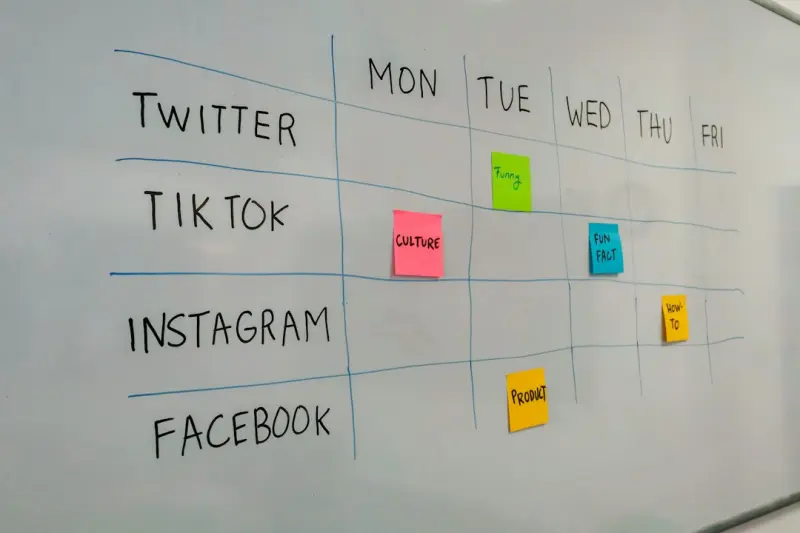
- Content Cadence & Formats – A matrix that matches each trigger with the optimal format (short video, carousel, threaded tweet, LinkedIn article) and the ideal publishing cadence.
The magic happens when these pieces are aligned with measurable outcomes. A playbook isn’t a static PDF; it’s a dynamic workflow that evolves as you gather data on what resonates and what falls flat.
Data‑Driven Content Triggers: Mining Social Signals for Playbook Fuel
Before you can write a play, you need to know what moments matter. This is where real‑time social conversations become a goldmine. By listening to the cadence of user‑generated content—think product support tweets, community forum threads, or LinkedIn comments—you can pinpoint the exact points where users are most excited, frustrated, or curious.
Here’s a quick framework to turn those signals into triggers:
- Identify high‑volume keywords that surface around your product (e.g., “integration”, “onboarding”, “reporting”).
- Map sentiment to each keyword. Positive spikes often signal success stories ripe for amplification; negative spikes flag pain points that need proactive communication.
- Timestamp the conversation. The moment a user announces a breakthrough (like “just closed my first deal using X feature”) is a prime trigger for a case‑study micro‑post.
When you layer this insight onto a calendar, you get a playbook that tells you exactly when to cue an employee advocate, when to amplify a user‑generated demo video, and when to release a thought‑leadership piece that addresses a trending concern.
Empowering Employees: The Unsung Amplifiers
Most SaaS companies focus on external influencers but neglect the power of internal voices. Your product, sales, and support teams live at the intersection of the product and the customer—they breathe the same language as your target audience. By giving them a structured playbook, you turn them into authentic brand ambassadors.
Key steps to enable employee amplification:
- Curated Content Packs – Pre‑approved snippets, graphics, and talking points that align with the trigger event.
- Personalization Guidelines – Encourage employees to add a personal hook (“I saw this happen on a call with a fintech client…”) to increase authenticity.
- Performance Dashboards – Show each advocate the reach and engagement of their posts, reinforcing the habit through data‑driven recognition.
When employees share, the algorithm rewards the post because it’s coming from a “real person” rather than a brand page, amplifying organic reach without additional ad spend.
Customer Amplifiers: Micro‑Influencers in Niche Communities
In SaaS, you often have a handful of power users who dominate niche forums, LinkedIn groups, or even private Slack channels. These micro‑influencers possess high credibility within tightly defined segments—exactly the audience you want to reach. The private communities article shows how monetization works, but the same mechanics apply to amplification.
To harness these users:
- Identify the community champions using engagement metrics (posts, replies, referral traffic).
- Co‑create assets—invite them to beta test new features and then provide a ready‑to‑share “launch kit” that includes screenshots, short demo scripts, and a personal note template.
- Reward the effort with exclusive access, early‑bird pricing, or public shout‑outs. The goal is to make amplification feel like a natural extension of their community leadership, not a forced marketing task.
Content Formats That Turn Conversations into Conversions
Not every trigger calls for a long‑form blog. The playbook should prescribe the most effective format for each scenario:
- Feature Launch – Short demo video (30‑60 seconds) paired with an employee‑authored caption.
- Customer Success Story – Carousel of user quotes and KPI snapshots, optimized for LinkedIn carousel posts.
- Industry Trend Reaction – Threaded tweet with data points, linking back to a downloadable one‑pager.
- Support Resolution Highlight – Behind‑the‑scenes “how‑we‑solved” Instagram Reel, humanizing the support team.
By matching format to trigger, you reduce friction for the amplifier (they don’t have to reinvent the wheel) and increase the likelihood of audience engagement.
Measuring Amplifier Impact: From Reach to Revenue
Traditional social metrics—likes, shares, impressions—only tell half the story. In a B2B context, you need to trace the ripple effect of each amplified post to pipeline stages.
Here’s a three‑tier measurement framework:
- Engagement Score – Weighted sum of likes, comments, click‑throughs, and retweets, normalized per follower count.
- Lead Attribution – Use UTM parameters and CRM‑linked source fields to map inbound leads back to the specific social post and amplifier.
- Revenue Influence – Track the percentage of closed‑won deals that originated from a social‑sourced lead, and calculate the ROI of the playbook against the cost of content creation and employee time.
When you close the loop, you can iterate on the playbook with hard data: double‑down on formats that drive the highest revenue influence, retire triggers that underperform, and continuously refine amplifier incentives.
Iterate Like a Product Team: The Playbook Sprint Cycle
Social strategies often suffer from “set‑and‑forget” mindsets. Borrow a page from product development and run playbook sprints:
- Plan (Week 1) – Choose 3–5 triggers for the upcoming month based on the latest social listening data.
- Build (Week 2) – Create content packs, assign amplifiers, and set up tracking UTM tags.
- Launch (Week 3) – Deploy posts according to the cadence matrix, monitor real‑time performance.
- Review (Week 4) – Analyze engagement, lead attribution, and revenue impact; adjust the next sprint’s triggers accordingly.
This cyclical approach ensures the playbook stays fresh, data‑driven, and tightly aligned with business objectives.
Scaling the Playbook Across Teams and Regions
Once you’ve proven the playbook in a pilot market, scaling is a matter of replication with localization. Provide each regional team with a master template that includes:
- Core brand guidelines (tone, visual style).
- Localized trigger libraries (industry events, local conferences).
- Region‑specific amplifier lists (local employee champions, market‑specific micro‑influencers).
- Unified reporting dashboard that aggregates global performance while preserving regional granularity.
Scaling isn’t about copying verbatim; it’s about maintaining the strategic framework while allowing cultural nuances to shape the execution.
Conclusion: Turn Your Social Landscape into a Growth Engine
Social media for SaaS doesn’t have to be a peripheral activity—it can be a core growth engine when you replace ad‑hoc posting with a rigorously engineered playbook. By anchoring your strategy in real‑time triggers, empowering both employees and customers as amplifiers, and measuring impact all the way to revenue, you transform silent observers into strategic amplifiers who actively drive your pipeline.
Start small, iterate fast, and watch the ripple effect turn everyday conversations into a sustainable, high‑velocity growth channel.

Shawn DesRochers is a certified Microsoft technician and Programmer with 30+ year's experience. He has written many reviews on computer related products, software, and SEO related topics. When he's not writing reviews he can be found at one of the Oldest Directories Online Domain Authority Directory which he is the CEO of.
Related Posts
Why Employee Advocacy Is the Missing Link in Your SaaS Social Strategy
A deep dive into turning your team into brand ambassadors, covering culture, content, technology, me... Read More
Social Referral Playbook: Turning Your Users into Brand Evangelists
A practical guide to designing, launching, and optimizing a social referral program that leverages y... Read More
The Secret Power of Private Communities: How to Monetize Niche Social Groups
Private social groups hold untapped potential for SaaS growth. This post reveals how to build, nurtu... Read More
Top Posts

Technical SEO in the Age of AI: How to Stay Ahead of the Curve
Technical SEO is evolving rapidly with AI and machine learning. Learn how to stay ahead of the curve and optimize your website for better visibility in search r...Read More

Riding the 2024 Social Media Wave: Nikki McDonald’s Insider Playbook
Nikki McDonald shares her insider playbook for 2024 social media, blending AI, community building, and ethical data practices into actionable strategies for bra...Read More

The Evolution of Google SEO: How to Stay Ahead in the Game
The landscape of Google SEO is constantly shifting. Learn how to stay ahead in the game with expert insights on social media, SERPs, and e-commerce....Read More

Boost Your Neighborhood Business with Human‑Centric Local SEO
Learn to turn community conversations into powerful local SEO, from Google My Business tweaks to hyper‑local content, and watch your neighborhood business thr...Read More
0 Comments
Post Comment
You will need to Login or Register to comment on this post!