When I first walked into a closed LinkedIn group of SaaS founders, I expected the usual brag‑and‑share posts. What I found instead was a bustling ecosystem of candid questions, real‑world case studies, and a level of trust that no public feed could ever replicate. That moment sparked a revelation: private communities aren’t just a nice‑to‑have side project—they’re a hidden revenue engine waiting to be unlocked.
The Rise of the “Closed‑Door” Funnel
Public social platforms are noisy, algorithm‑driven, and increasingly saturated. While brands pour budget into broad awareness campaigns, the real purchase conversations are happening behind the scenes, in invite‑only groups, Slack channels, Discord servers, and even niche sub‑reddits. These spaces are:
- Highly targeted: Members have already self‑selected based on industry, role, or problem.
- Trust‑rich: Peer recommendations outweigh any brand ad copy.
- Data‑dense: Every comment, poll, and file share provides actionable insight.
In other words, they’re a perfect match for the Community‑Led Growth playbook, but with a sharper focus on conversion velocity.
Why Private Communities Beat Public Feeds for SaaS
Let’s break down the three core advantages that make private groups a game‑changer for B2B SaaS marketers.
1. Intent Signals Are Crystal Clear
In a public feed, a user scrolling past a post could be anyone—from a curious intern to a seasoned CTO. In a private community, members are often:
- Actively seeking solutions to a specific pain point.
- Sharing detailed use‑cases that mirror your ideal customer profile.
- Requesting demos, trials, or pricing information outright.
These high‑intent signals let you prioritize outreach and tailor messaging with surgical precision.
2. Feedback Loops Accelerate Product‑Market Fit
When your product team sits inside the same group as your prospects, you get instant, unfiltered feedback. This is far richer than a quarterly NPS survey. Think of it as a continuous beta‑testing lab where you can:
- Validate feature ideas before they’re built.
- Spot emerging compliance or integration challenges.
- Identify upsell opportunities based on real‑world usage patterns.
That level of insight translates directly into faster iteration cycles and higher customer satisfaction.
3. Advocacy Becomes Automatic
Members who feel heard and helped are naturally inclined to champion your brand. When you nurture these relationships, you’re not just creating fans—you’re building a self‑sustaining referral engine. The most valuable referrals in SaaS come from peers who can speak to ROI, integration depth, and long‑term support.
Blueprint: Building a Revenue‑Focused Private Community
Below is a step‑by‑step framework that has helped my teams turn closed groups from “nice‑to‑have” into “must‑have” revenue channels.
Step 1: Define the Community’s Core Value Proposition
Ask yourself:
- What problem does this community solve that members can’t find elsewhere?
- How does that problem map to the primary value of my SaaS product?
For example, a SaaS that offers workflow automation might host a “Process Optimization Leaders” group where members share bottlenecks and success stories. The community’s promise—“Cut your cycle time by 30% or more”—directly aligns with your product’s KPI.
Step 2: Choose the Right Platform
While LinkedIn is a safe default, consider platforms that foster richer interaction:
- Slack or Discord: Real‑time chat, file sharing, and integration hooks.
- Facebook Groups: Powerful moderation tools and native events.
- Specialized forums (e.g., Tribe, Circle): Branded experiences with advanced analytics.
Whichever you select, ensure the platform supports private invitations, searchable archives, and the ability to embed polls or surveys.
Step 3: Seed the Community with High‑Value Content
Don’t start with a sales pitch. Instead, launch with:
- Exclusive industry reports or benchmarks.
- Live Q&A sessions with product experts.
- Case studies that illustrate measurable outcomes.
These assets establish credibility and signal that the group is a knowledge hub, not a marketing funnel.
Step 4: Establish Clear Engagement Rules
Private groups can quickly become chaotic if left unchecked. Set expectations early:
- Define posting frequency limits.
- Encourage members to share challenges, not just successes.
- Mandate a “no‑self‑promotion” rule for the first 30 days.
Clear guidelines keep the conversation focused and maintain the trust that fuels advocacy.
Step 5: Leverage Social Listening Inside the Group
Use tools like Zapier or native platform bots to capture keywords, sentiment, and recurring themes. Feed this data into your CRM to:
- Score leads based on engagement depth.
- Trigger personalized outreach when a member mentions a pain point you can solve.
- Identify content gaps for future webinars or whitepapers.
Think of the community as a living lead scoring engine—every interaction refines your view of the prospect.
Step 6: Introduce Soft Conversion Paths
After you’ve built trust, create low‑friction opportunities for members to try your product:
- Invite‑only beta programs with early‑access discounts.
- Free “office hours” where members can get a personalized walkthrough.
- Member‑only webinars that showcase real‑world ROI calculations.
Because the audience is already primed, these offers typically see conversion rates 2‑3× higher than standard landing pages.
Step 7: Amplify Success Stories Within the Group
When a member lands a win using your product, celebrate it publicly (with permission). This does two things:
- Provides social proof to the community.
- Feeds your broader marketing engine—turn the post into a case study, testimonial, or even a Employee Advocacy piece.
These internal wins become the fuel for your external brand narrative.
Measuring Success: Metrics That Matter
Traditional social KPIs (likes, shares, follower count) don’t capture the true value of a private community. Focus on these performance indicators instead:
- Engagement Velocity: Average time from joining to first meaningful contribution.
- Lead Conversion Rate: Percentage of active members who move to a qualified lead stage.
- Revenue Attribution: Track closed‑won deals that originated from community interactions (use UTM tags or custom CRM fields).
- Member Retention: Month‑over‑month churn of community members—a healthy community should see net growth even without constant recruitment.
- Advocacy Index: Number of referrals generated by community members divided by total members.
When you see these metrics trending upward, you’ve built a genuine, revenue‑driving social engine.
Common Pitfalls and How to Avoid Them
Even the most promising private groups can falter if you fall into these traps.
Over‑Promoting Too Soon
Members join for peer insights, not a sales pitch. If you start pushing demos within the first week, you’ll see a spike in drop‑outs. Instead, focus on delivering value for at least 30‑45 days before introducing conversion offers.
Neglecting Community Management
A thriving group needs a dedicated moderator—someone who can spark discussions, enforce rules, and keep the vibe professional. If you treat the community as an after‑thought, engagement will quickly sputter.
Failing to Scale Content
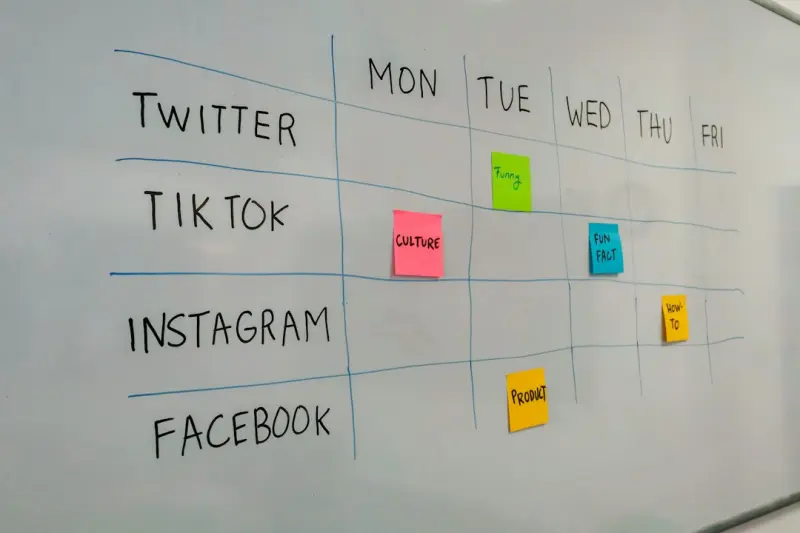
As the group grows, the volume of questions can overwhelm a single host. Develop a content calendar that includes recurring webinars, AMA sessions, and guest expert panels to keep the pipeline of fresh material flowing.
Ignoring Data Privacy
Private groups often discuss sensitive business challenges. Ensure you’re compliant with GDPR, CCPA, or any relevant regulations—especially when you’re capturing data for lead scoring. Transparent privacy policies build trust.
Real‑World Example: From Slack Channel to $1M Pipeline
One of my SaaS clients—a project‑management platform—started a Slack community for “Agile Coaches & Scrum Masters.” Here’s the timeline of their success:
- Month 1‑2: Curated weekly “Toolkit Tuesdays” with downloadable sprint templates. No sales talk.
- Month 3‑4: Launched a member‑only beta of their new Gantt‑chart integration. 30% of beta users converted to paid plans.
- Month 5‑6: Introduced a “Success Spotlight” series, highlighting members who cut cycle times by 20%+ using the platform.
- Month 7‑12: Tracked 45 qualified leads directly from Slack discussions, resulting in a $1M pipeline contribution—representing a 4× lift over their open‑web acquisition channel.
The key takeaway? By positioning the community as a trusted knowledge hub first, the sales conversation became a natural next step.
Integrating Private Communities with Your Wider Social Strategy
A private group shouldn’t exist in a vacuum. Here’s how to weave it into your broader social fabric:
- Tease Content Publicly: Share snippets of community discussions on Twitter or LinkedIn to attract new members.
- Cross‑Promote Events: Host a public webinar, then invite attendees to continue the conversation inside the private group.
- Leverage Employee Advocates: Encourage your team to participate as thought leaders—this amplifies credibility and feeds the Employee Advocacy narrative.
- Repurpose Community Insights: Turn hot topics into blog posts, whitepapers, or product roadmaps, showing members that their input shapes your brand.
Future Outlook: The Rise of “Hybrid” Communities
We’re already seeing a trend where brands blend public and private spaces. Imagine a public LinkedIn page that funnels high‑value discussions into a private Discord server, which then feeds data back into your public content calendar. This hybrid model maximizes reach while preserving the depth of private interaction.
As algorithms continue to prioritize “meaningful interactions,” the brands that invest in intimate, trust‑rich environments will capture the most qualified leads—and the most loyal customers. Private communities aren’t a side project; they’re the next frontier of social strategy for SaaS.

Kelly Reynolds is a dynamic freelance writer hailing from the picturesque landscapes of Alberta. A master of the written word, she juggles her passion for storytelling with the exhilarating chaos of being a mother to five spirited children. With an impressive portfolio that spans various genres, Kelly captivates readers through her engaging blog posts and thought-provoking articles.
Related Posts

The Rise of Micro‑Communities: A Blueprint for SaaS Social Strategy
Learn why hyper‑focused micro‑communities are the hidden engine behind sustainable SaaS growth, ... Read More

How to Turn Private Messaging Groups into Your Brand’s Most Powerful Social Engine
Private messaging groups offer a hidden arena for authentic brand interaction. Learn to build, nurtu... Read More

Riding the Wave: Lifan Chen’s 2024 Social Strategy Blueprint
Lifan Chen shares a data‑driven, story‑first social strategy for 2024, linking community buildin... Read More
Top Posts

The Empathy Edge: How Human‑Centric Strategies Are Redefining Social Media Marketing
Learn how a human‑centric, empathy‑first approach is reshaping social media marketing, turning authentic conversations into measurable brand growth....Read More

Hyperlocal Voice Search: Turning Conversational Queries into Foot‑Traffic Gold
Learn the secrets to mastering hyperlocal voice search, from micro‑geography mapping to structured data, and turn everyday spoken queries into a steady stream...Read More

The Human‑First Playbook: Modern Link Building That Actually Works
Link building is evolving from cold outreach to human‑first relationships. Learn the tactics that turn conversations into backlinks, boost trust, and futureâ€...Read More

How Stories & Reels Can Power B2B SaaS Leads
Ephemeral content like Stories and Reels is reshaping B2B SaaS marketing. This post shows how to use these formats for awareness, education, and conversion, wit...Read More
0 Comments
Post Comment
You will need to Login or Register to comment on this post!