

Why Social Media Should Be Your SaaS Customer‑Success Frontline
When I first stepped into the SaaS world, I thought of social media as a marketing megaphone – a place to broadcast product updates and chase followers. Over the past few years, that view has crumbled. The real gold mine lives in the conversations that happen after the megaphone goes silent. Today, I’ll walk you through why turning your social channels into a customer‑success powerhouse can shrink churn, accelerate adoption, and give you a feedback loop that no survey ever could.
From Broadcast to Conversation: The Paradigm Shift
Traditional social media tactics focus on reach, impressions, and vanity metrics. Those numbers feel good on a dashboard but say little about how your product is being used in the wild. The shift I’m advocating is from “broadcasting to the world” to “listening and responding to the world.” It’s about treating every comment, DM, or mention as a ticket, a clue, or an opportunity.
In practice, that means:
- Monitoring brand mentions in real time – not just for PR crises, but for early signals of usability friction.
- Assigning social agents to support tickets – a dedicated team that can resolve issues directly on the platform where they surface.
- Feeding social insights into product roadmaps – turning a frustrated tweet into a prioritized feature request.
Setting Up a Social‑First Support Engine
Before you can turn social media into a support engine, you need the right infrastructure. Here’s a step‑by‑step blueprint:
1. Choose the Right Platforms
Not every platform is created equal. For B2B SaaS, LinkedIn and Twitter dominate professional discourse, while niche Slack communities or Discord servers capture the power‑users’ voice. Map where your customers already gather and focus your resources there.
2. Centralize Conversations
Invest in a social‑inbox solution that aggregates mentions, comments, and DMs into a single queue. Tools like Hootsuite Insight or Sprout Social can be integrated with your existing ticketing system (Zendesk, Freshdesk, etc.) so that a tweet about a bug automatically spawns a support ticket.
3. Define Response SLAs
Speed is the secret sauce of social support. Set clear Service Level Agreements – for example, respond within 15 minutes for high‑priority mentions and within one hour for general inquiries. Publicly display these SLAs on your profiles to build trust.
4. Empower Your Team
Equip support agents with brand voice guidelines, product cheat sheets, and escalation paths. They should feel comfortable saying “I’ll look into that” and then actually following through, rather than deflecting the conversation back to email.
5. Capture and Analyze Data
Every interaction is data. Tag each social ticket with categories (bug, feature request, onboarding question) and feed the metrics into your product analytics platform. Over time you’ll spot trends that can guide product decisions.
Case Study: Turning a Frustrated Tweet Into a Product Win
Imagine this scenario: A user posts, “Why does Feature X reset my settings after every logout? #SaaSFail”. Within five minutes, your social inbox flags the tweet, creates a ticket, and routes it to the engineering lead. The engineer discovers a caching bug, pushes a hotfix, and replies publicly with a thank‑you and a link to the patch notes. The user retweets the resolution, and the entire community sees that you not only listen but act quickly.
This single interaction does three things:
- Reduces churn risk for that user.
- Demonstrates reliability to prospects watching the conversation.
- Provides a concrete data point for the product team to prioritize similar bugs.
For a deeper dive on turning social chatter into actionable product insights, check out From Social Chatter to Product Wins: Building a Real‑Time Feedback Lab. The methodology aligns perfectly with the social‑first support model.
Measuring Success: The New KPIs
Traditional social media KPIs (likes, shares, follower count) still matter, but they’re no longer the north star. Here are the metrics that truly reflect a social‑driven customer‑success operation:
- First‑Response Time (FRT) on Social Channels – The average time it takes to acknowledge a user’s issue.
- Resolution Rate – Percentage of social tickets closed without escalation to email.
- Sentiment Shift – Track sentiment before and after interactions to gauge impact.
- Churn Correlation – Compare churn rates of customers who engage on social support vs. those who don’t.
- Feature Adoption Velocity – How quickly a feature mentioned in a social conversation gains usage.
Scaling the Model Without Losing the Human Touch
One fear teams have is that social support will become a “band‑aid” solution that scales poorly. The reality is that with the right automation and delegation, you can keep the human element while handling volume.
Automation for Triage
Deploy AI chatbots to perform initial triage: “Is this a billing question, a technical issue, or a feature request?” The bot can instantly provide knowledge‑base answers for common queries and hand off complex problems to a human agent.
Community Moderators as Extensions of Support
Power‑users love to help each other. Recognize and reward them with moderator status, custom badges, or early‑access perks. Their participation lightens the load on your team while fostering a self‑sustaining ecosystem.
Cross‑Functional Playbooks
Create clear escalation paths: social support → product support → engineering. Document playbooks that outline who owns each type of issue, ensuring nothing falls through the cracks.
Integrating Social Insights into the Product Development Cycle
Social data should sit alongside usage metrics, NPS scores, and churn analysis. Here’s how to embed it:
- Weekly Social Review Meetings – Bring together support leads, product managers, and marketers to discuss hot topics.
- Tagging System – Use consistent tags (e.g., “UI glitch”, “Feature request: API”) so that data can be filtered and reported.
- Prioritization Matrix – Combine social volume, revenue impact, and technical effort to rank items on the roadmap.
When done right, the product team will start seeing social mentions as “feature tickets” rather than “noise”. This approach dovetails nicely with the concepts in Semantic SEO for SaaS: Master Topic Clusters, where clustering related topics improves relevance. Think of social tags as a live, user‑generated cluster that informs your product hierarchy.
Addressing Common Objections
“Our customers don’t use Twitter for support.” – True for some segments, but many still turn to LinkedIn comments, Reddit threads, or industry forums. The key is to meet them where they already are, not to force a channel.
“Social support will hurt our brand if we get a public complaint.” – The opposite tends to happen. Publicly resolving issues showcases transparency and builds trust. A well‑handled complaint can become a testimonial.
“It’s too resource‑intensive.” – Start small. Assign one dedicated “social champion” and expand as you see ROI in reduced churn and higher satisfaction scores.
Future‑Proofing: Social Media Trends to Watch
While the core principle stays the same – listen, respond, act – the platforms evolve. Keep an eye on these emerging trends:
- Audio‑first Spaces – Live audio rooms on LinkedIn and Twitter are becoming informal office hours for SaaS founders.
- Short‑form video tutorials – Bite‑size demos posted on TikTok or Reels can address “how‑to” questions before they become tickets.
- AI‑generated sentiment dashboards – Next‑gen tools will auto‑summarize the emotional tone of your brand mentions in real time.
Takeaway: Make Social Media Your Secret Weapon for Retention
Social media isn’t just a marketing channel; it’s a real‑time, public-facing customer‑success hub. By restructuring your organization to treat every mention as a support opportunity, you’ll unlock faster issue resolution, richer product insights, and a stronger brand reputation. The payoff is measurable: lower churn, higher NPS, and a product roadmap that truly reflects what users are shouting about.
Ready to flip the script? Start by mapping where your customers converse, set up a unified social inbox, and give your team the playbook to turn “noise” into actionable intelligence. The next tweet, comment, or DM could be the spark that saves a high‑value account – and it’s waiting right now.

Paul Gray is a dynamic blogger based in Brampton, where he shares his life with his amazing wife, Sarah. Known for his engaging writing style and relatable insights, Paul has carved out a niche in the blogging world that resonates with readers from all walks of life. When he's not crafting captivating posts, you can find him savoring a cold beer or indulging in the latest blockbuster movie. With a friendly demeanor and a passion for storytelling, Paul brings a unique perspective to his work, making him not just a blogger, but a voice for those who appreciate the simple joys of life.
Related Posts

The Evolution of Social Media Marketing: How to Stay Ahead
Social media marketing is a rapidly evolving field that requires businesses to stay ahead of the gam... Read More

Why Micro‑Influencers Are the SaaS Growth Hack You’ve Been Ignoring
Micro‑influencers deliver higher engagement and lower cost per acquisition than macro creators. Le... Read More

The Untapped Power of Employee Advocacy on Social Media for SaaS Brands
Learn why employee advocacy is the missing piece in your SaaS social strategy, how to launch a genui... Read More
Top Posts
Google SEO in 2024: Kelly Reynolds’ Insider Forecast
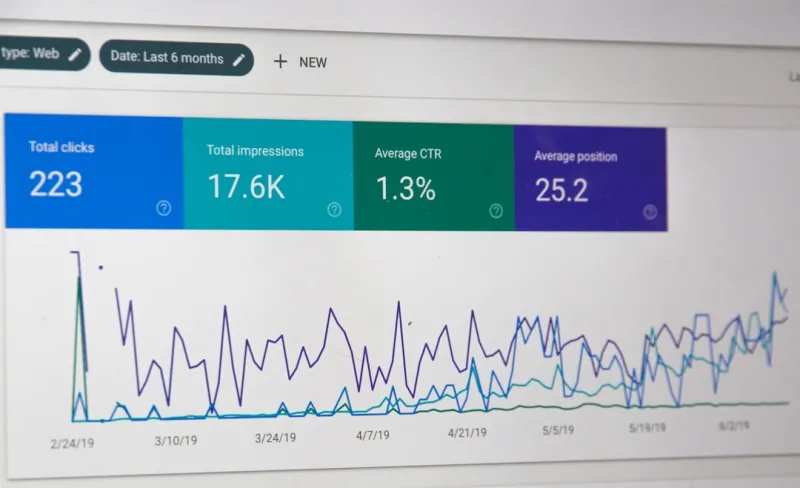
Kelly Reynolds reveals the 2024 Google SEO playbook: mastering E‑E‑A‑T, mobile‑first, high‑quality links, and SERP dominance in a data‑driven, futur...Read More
Neighborhood‑First SEO: Turning Local Search into SaaS Growth
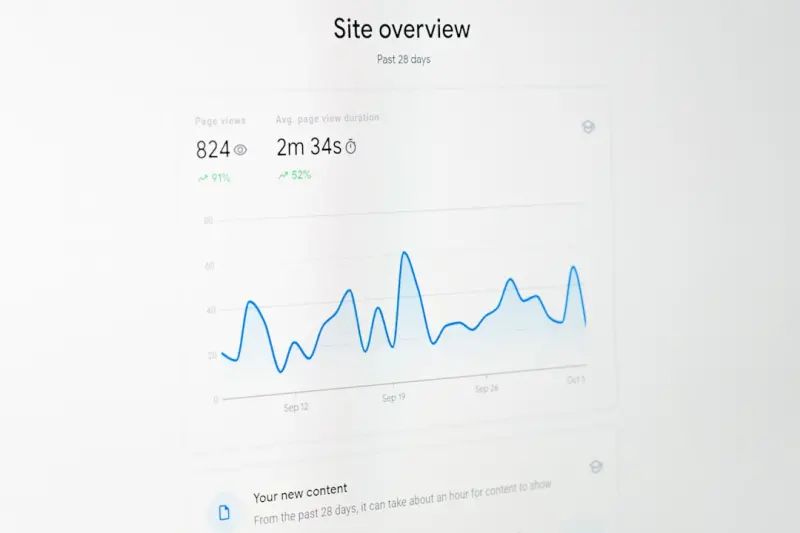
Even cloud‑based SaaS firms thrive on local search. This guide shows how to treat Google Business Profiles as mini‑landing pages, craft geo‑specific conte...Read More

The Evolution of Google SEO: A Comprehensive Guide to Staying Ahead
Google SEO is constantly evolving. Stay ahead of the curve with our comprehensive guide to the evolution of Google SEO. Learn the latest trends, best practices,...Read More

The Impact of Artificial Intelligence on Technical SEO
The integration of AI in search engines has significantly improved the way they understand user intent and behavior. Learn how to adapt to the changing landscap...Read More
0 Comments
Post Comment
You will need to Login or Register to comment on this post!