
Turning the Mic On: How Social Audio Can Supercharge SaaS Growth
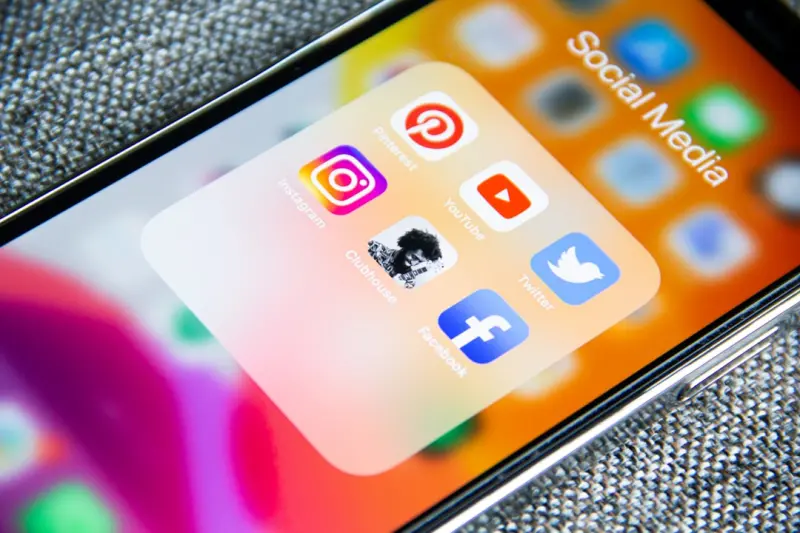
When I first heard the buzz about social audio platforms—Clubhouse, Twitter Spaces, LinkedIn Live Audio—I laughed. “Another fad,” I thought. Fast forward a few months, and I’m on the other side of the mic, fielding questions from a room of product leaders, engineers, and marketers. The experience was eye‑opening. Social audio isn’t just a novelty; it’s a real‑time, relationship‑building engine that can reshape the way SaaS companies attract, educate, and retain customers.
Why Social Audio Deserves a Seat at the SaaS Marketing Table
Traditional social media channels have become crowded, algorithm‑driven echo chambers. Even the most polished LinkedIn posts or short‑form videos can get lost in the noise. Social audio flips the script by delivering human voices directly into the ears of listeners who have opted in to hear you. Here’s why that matters:
- Authenticity at scale: A live conversation feels far more genuine than a polished blog post. Listeners can hear inflections, pauses, and the occasional laugh—cues that build trust.
- Immediate feedback loops: Q&A sessions let you gauge interest, clarify objections, and pivot your messaging on the fly.
- Community formation: Regular rooms become gathering spots for niche audiences, turning passive followers into active participants.
- Low production overhead: No need for costly video crews or elaborate graphics. A decent microphone and a stable internet connection are enough to get started.
Mapping Social Audio to the SaaS Funnel
Think of social audio as a multi‑purpose tool that can be deployed at every stage of the customer journey.
Top‑of‑Funnel: Awareness & Thought Leadership
Host “State of the Industry” panels with guest speakers from adjacent tech verticals. By inviting complementary SaaS founders and analysts, you tap into their audiences while positioning your brand as the conversation catalyst.
Middle‑of‑Funnel: Education & Evaluation
Run deep‑dive sessions on specific product features or use‑case scenarios. Invite a power user to share a success story live, then open the floor for questions. This format short‑circuits the typical “read a whitepaper → schedule a demo” flow, delivering the same information in a more engaging, digestible way.
Bottom‑of‑Funnel: Closing & Advocacy
Invite prospects who are in the decision stage to a private “Customer Advisory” space. Let them hear directly from existing clients, ask real‑time questions, and even negotiate terms in a collaborative setting. The sense of exclusivity can accelerate conversions.
Building a Sustainable Social Audio Strategy
Like any channel, success requires a plan. Below is a step‑by‑step framework that I’ve refined after hosting dozens of rooms across different platforms.
1. Define Your Objective and Audience Persona
Start with a crisp objective: Are you aiming to generate leads, gather product feedback, or nurture existing users? Pair that with a detailed persona—job title, pain points, preferred platform—and you’ll know exactly where to host your rooms. For instance, ABM‑focused teams often gravitate toward LinkedIn Spaces, while developer‑centric audiences love the informal vibe of Clubhouse.
2. Curate Compelling Themes
Instead of generic titles like “SaaS Trends,” craft hooks that promise a tangible takeaway. Examples:
- “Scaling Your API Ecosystem: Lessons from 10 Fast‑Growing Startups”
- “From Chaos to Clarity: Building a Product Roadmap with Real‑User Feedback”
- “Live Demo: How to Automate Your Onboarding Flow in 15 Minutes”
3. Secure Credible Co‑Hosts and Guests
Leverage industry influencers, satisfied customers, or internal subject‑matter experts. Their presence adds legitimacy and widens reach. Remember to brief them on key talking points and the flow of the conversation to keep the session tight.
4. Promote the Event with a Multi‑Channel Blast
Don’t rely on the platform’s native discovery alone. Use email newsletters, LinkedIn posts, and even a short teaser video on Instagram Reels. Include a clear CTA to “Add to Calendar” to reduce friction.
5. Execute with a Structured Agenda
Even though the format feels spontaneous, a loose script keeps you on track. A typical 45‑minute room might look like this:
- Intro (5 min): Host welcome, agenda, and housekeeping.
- Guest Spotlight (10 min): Guest shares a story or insight.
- Deep Dive (15 min): Host drives the core discussion, referencing data or case studies.
- Live Q&A (10 min): Audience asks questions via chat or voice.
- Wrap‑Up (5 min): Summarize takeaways, announce next session, and share a link to the recording.
6. Capture, Repurpose, and Analyze
Record each session (with consent) and publish the audio on your website’s resource hub. Transcribe the content for SEO value and turn key moments into bite‑size clips for TikTok or LinkedIn. Track metrics such as live attendance, average listening duration, and post‑event conversion rates to refine future sessions.
Leveraging Social Audio for Product Innovation
One of the most underrated benefits of live audio is the unfiltered insight you gain from listeners. In a recent deep‑dive conversation, a product manager discovered a recurring pain point that hadn’t surfaced in surveys: users were struggling to integrate the SaaS platform with legacy ERP systems during the onboarding phase. By addressing this issue in a follow‑up audio session, the team not only validated the problem but also co‑created a solution roadmap with the community.
Choosing the Right Platform for Your SaaS Brand
Not every social audio platform aligns with every SaaS niche. Here’s a quick guide:
- Clubhouse: Best for early‑stage startups targeting tech‑savvy founders and investors.
- Twitter Spaces: Ideal for real‑time industry news and rapid Q&A with a broad audience.
- LinkedIn Live Audio: The go‑to for B2B SaaS enterprises seeking executive‑level engagement.
- Spotify Greenroom (now Spotify Live): Emerging space for longer‑form discussions, perfect for deep technical deep dives.
Common Pitfalls and How to Avoid Them
Pitfall #1: Over‑selling. Listeners tune in for value, not a hard pitch. Keep the sales talk to a minimum and focus on education.
Pitfall #2: Ignoring Moderation. Without a moderator, conversations can drift, and spam can creep in. Assign a trusted team member to manage the chat and mute disruptive participants.
Pitfall #3: Inconsistent Schedule. Irregular sessions erode audience trust. Commit to a cadence—weekly, bi‑weekly, or monthly—and stick to it.
Measuring ROI: From Listener to Loyal Customer
The ROI of social audio can be quantified across three dimensions:
- Engagement Metrics: Live attendees, average listening time, and interaction rate (questions asked).
- Lead Generation: Number of sign‑ups for gated resources shared during the session (e.g., an e‑book or demo request).
- Retention & Advocacy: Follow‑up surveys indicating satisfaction and Net Promoter Score (NPS) among participants.
By tying these metrics back to your CRM, you can attribute revenue to specific audio events, just as you would with webinars or email campaigns.
Future Outlook: The Convergence of Audio and AI
Artificial intelligence is already reshaping content creation, and audio is no exception. Imagine a system that automatically generates concise show notes, tags key topics for SEO, and even suggests personalized follow‑up content for each listener based on their interaction patterns. Early adopters who integrate AI‑driven analytics into their social audio workflow will gain a decisive edge in delivering hyper‑relevant experiences.
Take the First Step Today
If you’ve been skeptical about adding another channel to your already busy marketing mix, consider this: a single 30‑minute audio session can generate the same amount of qualified leads as an entire blog series, with a fraction of the production cost. The barrier to entry is low, the potential upside is high, and the community you’ll build can become a lasting asset for product feedback, brand loyalty, and advocacy.
So grab that mic, outline a compelling topic, and invite a guest who can speak to a real customer challenge. Your audience is waiting to hear you speak.

Shawn DesRochers is a certified Microsoft technician and Programmer with 30+ year's experience. He has written many reviews on computer related products, software, and SEO related topics. When he's not writing reviews he can be found at one of the Oldest Directories Online Domain Authority Directory which he is the CEO of.
Related Posts

Why Ephemeral Content Is the Secret Weapon for B2B SaaS Growth
Ephemeral content—short‑form stories on platforms like Instagram, LinkedIn, and Facebook—offer... Read More
The Evolution of Social Media Strategy: A New Era of Authenticity and Engagement
The evolution of social media strategy is driving businesses to prioritize authenticity and engageme... Read More
The Evolution of Social Media Marketing: How to Stay Ahead
Social media marketing is a rapidly evolving field that requires businesses to stay ahead of the gam... Read More
Top Posts
Unlocking Technical SEO for Headless Websites
Headless sites give developers freedom, but they pose unique SEO hurdles. Learn practical strategies for crawlability, speed, and schema that keep your decouple...Read More
From DMs to Delight: Building a Proactive Social Support System for SaaS
Discover how SaaS companies can transform fleeting social media DMs into a proactive support system that reduces churn, fuels product innovation, and creates a ...Read More
AI‑Generated Product Descriptions: The Secret Sauce for eCommerce Growth
AI‑generated product descriptions combine data‑driven personalization, SEO‑ready language, and interactive elements to dramatically increase conversion ra...Read More
Local SEO Secrets: Harnessing Community Voice for Real Rankings
Learn how to turn neighborhood stories, genuine reviews, and local influencer partnerships into powerful SEO signals that elevate your business in local search ...Read More
0 Comments
Post Comment
You will need to Login or Register to comment on this post!