
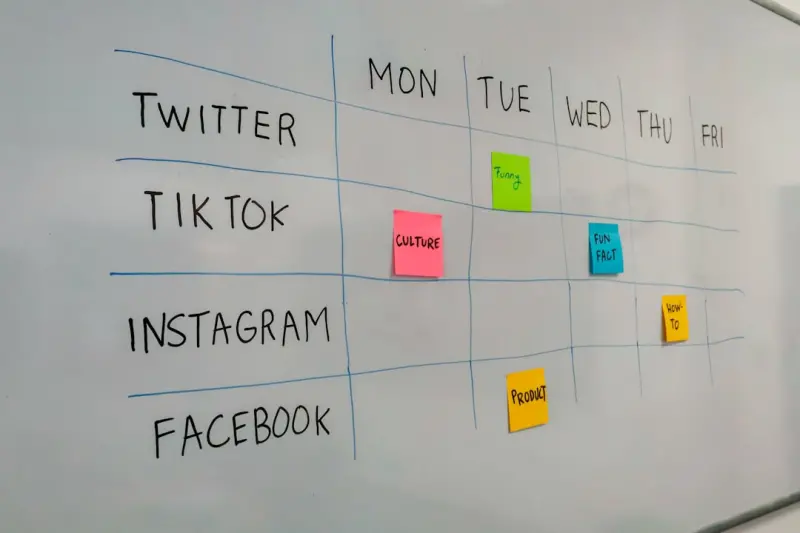
Why Social Listening Must Move From Tactic to Core Strategy
In a world where conversations flicker across feeds, stories, and emerging platforms in real‑time, the most valuable asset a brand can own is not a follower count but a continuously refreshed map of audience intent. Social listening therefore cannot remain a peripheral reporting tool; it has to be woven into the strategic fabric that drives product decisions, brand positioning, and growth experiments. When a brand treats every comment, meme, and trending hashtag as a data point that could reshape its roadmap, it gains a competitive edge that no static market research can match. The challenge is not collecting more noise but translating that noise into a coherent, forward‑looking narrative that informs every department from engineering to creative.
Building a Scalable Listening Infrastructure
To graduate from ad‑hoc monitoring to a systematic intelligence engine, marketers must first assemble a technology stack that aggregates signals from a diverse mix of sources—public timelines, private forums, niche communities, and even emerging audio platforms. Modern APIs allow you to pull real‑time mentions, sentiment scores, and engagement metrics into a centralized data lake where they can be normalized and enriched. Choosing tools that support customizable pipelines ensures you can filter out brand‑irrelevant chatter while preserving the subtle nuances that hint at unmet needs. Once the raw feed is captured, a layered approach—combining machine‑learning classifiers with human‑in‑the‑loop validation—creates the balance between scale and accuracy required for strategic decision‑making.
From Raw Chatter to Actionable Insight: The Taxonomy Layer
The next critical step is to impose a structured taxonomy on the flood of social data, turning scattered posts into categorized intelligence. This involves defining buckets such as product feature requests, pain‑point expressions, competitor comparisons, and emerging trend signals. By tagging each mention with these dimensions, you enable rapid aggregation and trend‑spotting across time horizons. For example, a sudden rise in mentions of “battery life” coupled with negative sentiment may flag a looming product issue before it surfaces in support tickets. The taxonomy should be fluid, allowing new categories to emerge as the conversation evolves, ensuring that the insight engine remains relevant as consumer language shifts.
Feeding the Product Roadmap with Social Signals
When the taxonomy is in place, the real power of social listening unfolds: feeding validated insights directly into the product development pipeline. Cross‑functional squads can convene weekly to review the top‑ranked signals, prioritize them against technical feasibility, and map them onto upcoming sprints. This practice not only accelerates time‑to‑market for features that customers are actively demanding but also reduces the risk of building products that miss the mark. Moreover, documenting the origin of each roadmap item—linking it back to a specific social trend—creates transparency for stakeholders and builds a culture of data‑driven accountability.
Amplifying Content and SEO Through Social Insight
Social listening does more than shape products; it fuels the content engine that fuels organic discovery. By surfacing the exact language and questions your audience uses, you can craft blog posts, FAQs, and video scripts that align perfectly with search intent. This synergy is illustrated in the way community‑driven video can supercharge your SEO when you base the video topics on trending social conversations. Embedding these real‑time insights into pillar content not only boosts relevance but also signals to search engines that your site addresses the current pulse of user interest, leading to stronger rankings and higher click‑through rates.
Aligning Brand Voice With the Social Conversation
A brand’s voice must echo the tone and values emerging from its audience, otherwise communications feel out of sync and risk alienation. Regularly analyzing sentiment trends, slang adoption, and cultural references allows you to fine‑tune your messaging guidelines, ensuring that every tweet, post, or ad resonates authentically. When a new meme or phrase gains traction, swift incorporation into brand copy demonstrates agility and relevance, reinforcing trust. This dynamic alignment also supports crisis management; early detection of negative sentiment spikes enables proactive outreach before issues spiral.
Closing the Loop: Measuring Impact and Optimizing
The final piece of the strategy is a robust measurement framework that quantifies how social listening translates into business outcomes. Key performance indicators might include the percentage of roadmap items sourced from social data, lift in organic traffic after content realignment, or reduction in support tickets for issues flagged early through listening. By establishing a feedback loop—where outcomes feed back into the listening taxonomy—you continuously refine the relevance of your signals. Dashboards that surface these metrics in real time keep leadership informed and justify ongoing investment in listening infrastructure.
Practical Checklist for Turning Listening Into Growth
- Map all relevant social channels, including emerging audio spaces like social audio, and integrate them into a unified data lake.
- Develop a flexible taxonomy that captures feature requests, pain points, competitor mentions, and trend signals.
- Schedule weekly cross‑functional reviews to prioritize social insights against product and content calendars.
- Align content creation with the exact phrasing and questions surfacing in social chatter to boost SEO relevance.
- Update brand voice guidelines quarterly based on sentiment and linguistic trends.
- Track impact metrics such as roadmap influence, traffic lift, and sentiment improvement to close the loop.

Paul Gray is a dynamic blogger based in Brampton, where he shares his life with his amazing wife, Sarah. Known for his engaging writing style and relatable insights, Paul has carved out a niche in the blogging world that resonates with readers from all walks of life. When he's not crafting captivating posts, you can find him savoring a cold beer or indulging in the latest blockbuster movie. With a friendly demeanor and a passion for storytelling, Paul brings a unique perspective to his work, making him not just a blogger, but a voice for those who appreciate the simple joys of life.
Related Posts

Private Social Communities: The New Loyalty Engine
Private social groups are reshaping brand loyalty. Learn how to design, nurture, and monetize exclus... Read More

Empathy‑First Social Strategy: How Listening Turns Followers Into Loyal Customers
Learn how a listening‑first approach transforms casual followers into loyal brand advocates, boost... Read More
From Followers to Fans: Redesigning Your B2B Social Playbook for Authentic Engagement
A practical guide to shifting from broadcast to relationship‑first social tactics, featuring liste... Read More
Top Posts

Interactive Content Strategies That Turn Clicks into Qualified Leads
Interactive content turns passive visitors into active participants, providing immediate value while capturing high‑quality data. Learn a step‑by‑step pla...Read More

The Evolution of Mobile SEO: Strategies to Stay Ahead
The world of search engine optimization (SEO) is constantly evolving, and one of the most significant developments in recent years has been the rise of mobile S...Read More

From Noise to Conversation: Crafting an Empathy‑First Social Strategy
Learn how an empathy‑first approach transforms social media noise into authentic conversations, turning followers into loyal customers and fueling sustainable...Read More

Why Empathy Is the New Power Move in SEO
Explore why empathy is the secret weapon in modern SEO, from keyword research to link building, and learn how to future‑proof your strategy with human‑centr...Read More
0 Comments
Post Comment
You will need to Login or Register to comment on this post!