

The Evolution of Mobile SEO: Strategies to Stay Ahead
The world of search engine optimization (SEO) is constantly evolving, and one of the most significant developments in recent years has been the rise of mobile SEO. With more and more users accessing the internet on their mobile devices, businesses need to ensure that their websites are optimized for mobile search. In this article, we'll explore the evolution of mobile SEO and provide strategies to help you stay ahead of the curve.
Understanding Mobile SEO
Mobile SEO refers to the process of optimizing your website to rank higher in mobile search engine results pages (SERPs). This involves ensuring that your website is mobile-friendly, fast, and provides a good user experience. With the majority of users accessing the internet on their mobile devices, mobile SEO is no longer a nicety, but a necessity. A mobile-friendly website is essential for businesses that want to reach their target audience.
The Impact of Mobile-First Indexing
One of the most significant developments in mobile SEO has been the introduction of mobile-first indexing. This means that Google primarily uses the mobile version of a website's content to index and rank pages. If your website is not mobile-friendly, you risk being penalized by Google and losing visibility in search results. To ensure that your website is optimized for mobile-first indexing, you need to ensure that your mobile version has the same content, meta tags, and structured data as your desktop version.
Page Speed and Mobile SEO
Page speed is a critical factor in mobile SEO. Users expect websites to load quickly, and if your website takes too long to load, you risk losing visitors. Google has introduced a new metric called Core Web Vitals, which measures the user experience of a website. This includes metrics such as page load time, interactivity, and visual stability. To optimize your website for page speed, you need to ensure that your website is optimized for mobile devices, and that you use techniques such as lazy loading and image compression.
Mobile-Friendly Content
When it comes to mobile SEO, content is still king. However, the way you create and present content on mobile devices is different from desktop devices. Mobile users are looking for quick and easy-to-digest content that provides them with the information they need. To optimize your content for mobile devices, you need to use short paragraphs, headings, and bullet points. You should also use a clear and concise writing style that is easy to read on small screens.
The Role of Voice Search in Mobile SEO
Voice search is becoming increasingly popular on mobile devices. With the rise of virtual assistants like Siri, Google Assistant, and Alexa, users are using voice search to find information on their mobile devices. To optimize your website for voice search, you need to use natural language and long-tail keywords. You should also use structured data to provide Google with more information about your content.
Local SEO and Mobile
Local SEO is a critical component of mobile SEO. With the rise of mobile devices, users are searching for local businesses and services on their mobile devices. To optimize your website for local SEO, you need to ensure that your website includes your business's name, address, and phone number (NAP) consistently across the web. You should also use local keywords and create content that is relevant to your local audience.
Measuring Mobile SEO Success
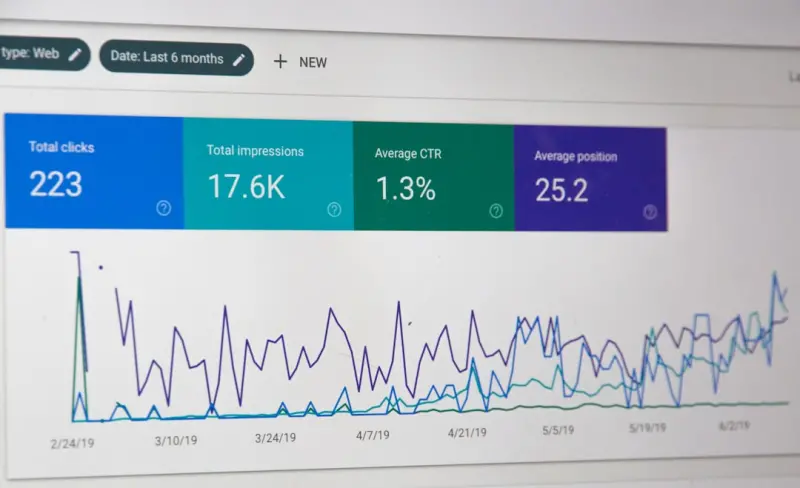
To measure the success of your mobile SEO efforts, you need to track key metrics such as mobile traffic, engagement, and conversion rates. You should also use tools like Google Analytics and Google Search Console to track your website's performance in mobile search results. By tracking these metrics, you can identify areas for improvement and make data-driven decisions to optimize your mobile SEO strategy.
The Future of Mobile SEO
The future of mobile SEO is exciting and rapidly evolving. With the rise of new technologies like augmented reality and artificial intelligence, businesses need to stay ahead of the curve to remain competitive. To future-proof your mobile SEO strategy, you need to stay up-to-date with the latest trends and best practices. This includes optimizing your website for voice search, using AI-powered tools to analyze your website's performance, and creating content that is optimized for mobile devices.
Conclusion
In conclusion, mobile SEO is a critical component of any business's online marketing strategy. By optimizing your website for mobile devices, you can improve your visibility in search results, drive more traffic to your website, and increase conversions. To stay ahead of the curve, businesses need to stay up-to-date with the latest trends and best practices in mobile SEO. By following the strategies outlined in this article, you can ensure that your website is optimized for mobile search and that you're well on your way to achieving your online marketing goals.

Lifan Chen is a freelancer based in Toronto specializing in marketing. With expertise in crafting effective marketing strategies and campaigns, Lifan helps businesses grow their brand presence and reach target audiences. As a Toronto-based freelancer, Lifan combines local market insights with creative marketing skills to deliver tailored solutions for clients.
Related Posts

Mobile‑First Indexing: The SaaS SEO Edge
A deep dive into mobile‑first indexing for SaaS, covering Core Web Vitals, PWAs, schema markup, th... Read More

Turning Mobile Browsers into Growth Engines for SaaS
A deep dive into mobile‑first SEO for SaaS, covering UX signals, technical foundations, content st... Read More

Mobile SEO: Why Human‑Centric Strategies Are the Game‑Changer
Mobile SEO is evolving beyond speed and keywords; learn why authentic, human‑centric tactics now d... Read More
Top Posts

Turning Social Listening Into a SaaS Product Advantage
Learn how to build a robust social listening framework that captures real‑time customer sentiment, transforms insights into product features, and drives growt...Read More

Embracing the Mobile-First Revolution: A Guide to Staying Ahead in SEO
Stay competitive in the mobile-first revolution with our expert guide to mobile SEO. Learn how to optimize your website for mobile devices and improve user expe...Read More

Riding the Social Media Wave: Brandy Miller’s 2024 Playbook for Authentic Growth
Brandy Miller shares a 2024 social media playbook, blending short‑form video, community‑first tactics, data experiments, and emerging tech to drive authenti...Read More
Real‑Time Social Intelligence: Turning Data into Conversational Campaigns
A fresh framework—Listen‑Learn‑Launch—shows how B2B SaaS marketers can turn the flood of social data into real‑time, personalized conversations, lever...Read More
0 Comments
Post Comment
You will need to Login or Register to comment on this post!