
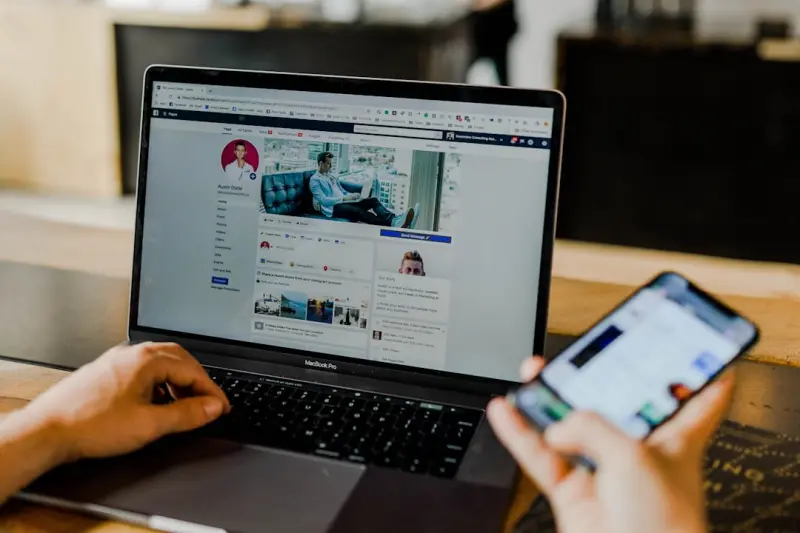
Why Social Audio Is the Next Frontier for Brand Storytelling
In a landscape where scrolling fatigue has turned attention into a scarce commodity, the rise of social audio platforms offers brands a breath of fresh air—literally. Listeners tune in to podcasts, live audio rooms, and short‑form voice drops, creating an intimate environment that feels less like advertising and more like a conversation with a trusted friend; this shift transforms the brand‑consumer dynamic from a transactional exchange to a relational one. By embracing this medium, marketers can bypass the visual clutter of feeds and tap directly into the human desire for story, tone, and authenticity, turning every spoken word into a potential touchpoint for lasting loyalty.
Unlike traditional video or text, audio engages the brain’s auditory cortex, which processes nuances such as inflection, pacing, and emotion far more deeply than static visuals. When a brand voice conveys genuine enthusiasm or empathy, listeners experience a subconscious sense of presence, forging a bond that can survive even when the content is consumed passively during a commute or workout. This neuro‑psychological edge means that a well‑crafted audio narrative can embed brand values in the listener’s memory with a potency that often outpaces a single image or caption.
Strategically, the first step is to identify the platforms where your target audience already gathers—be it Clubhouse‑style rooms, Twitter Spaces, or emerging audio sections within established social apps. Each ecosystem offers unique discovery mechanisms: some rely on algorithmic recommendations, others on follower invitations, and a few on topical hashtags that surface relevant conversations. By mapping where your niche congregates, you can position your brand’s voice exactly where the conversation is happening, ensuring relevance without the noise of oversaturation.
Once the platform is chosen, the content format becomes the next decisive factor. Brands can experiment with three primary styles: live audio events that enable real‑time interaction, curated podcast episodes that provide depth and storytelling arcs, and short‑form voice clips that act as audio equivalents of micro‑posts. Live events generate immediacy and community participation, podcasts build authority over time, and voice clips deliver bite‑sized insights that fit seamlessly into the rapid consumption habits of modern users. Mixing these formats creates a layered audio strategy that satisfies both the appetite for depth and the need for quick, shareable moments.
Audience participation is the secret sauce that differentiates social audio from passive media. During a live session, encouraging listeners to ask questions, share anecdotes, or even co‑host segments transforms the experience from a broadcast into a collaborative workshop. This co‑creation not only amplifies engagement metrics—such as average listening duration and repeat attendance—but also supplies a goldmine of user‑generated content that can be repurposed across other channels. Moreover, the sense of ownership participants feel can turn casual listeners into brand advocates who champion your audio presence within their own networks.
Monetization within social audio does not have to rely solely on traditional sponsorships; it can be woven organically into the narrative through exclusive offers, limited‑time promotions, or interactive polls that guide product development. For instance, a brand could host a live Q&A where listeners vote on the next feature of a product, instantly linking audience insight to tangible outcomes. This approach aligns perfectly with the principles outlined in building trust with zero‑party data, as it invites consumers to share preferences directly, reinforcing transparency and mutual benefit.
Measuring the impact of social audio requires a blend of quantitative and qualitative metrics. On the quantitative side, track listener count, average session length, and conversion rates from embedded call‑to‑actions; on the qualitative side, monitor sentiment through post‑event surveys and social listening tools that capture how listeners discuss the brand across other platforms. By triangulating these data points, marketers can refine their audio content, fine‑tune distribution times, and iterate on topics that resonate most deeply with the audience.
Integrating social audio with broader community initiatives can elevate both efforts. By applying insights from ethical community design, brands ensure that their audio spaces are inclusive, respectful, and aligned with core values, fostering an environment where listeners feel safe to share and collaborate. This synergy creates a virtuous cycle: ethical community practices boost audio engagement, while lively audio discussions reinforce the sense of belonging within the broader brand ecosystem.
Looking ahead, the evolution of social audio will likely intersect with emerging technologies such as AI‑generated voice assistants and real‑time translation, expanding reach across linguistic barriers and personalizing experiences at scale. Brands that invest now—crafting authentic narratives, fostering interactive communities, and leveraging data responsibly—will position themselves at the forefront of this auditory renaissance, turning every spoken word into a strategic asset that amplifies brand resonance in an increasingly noisy digital world.

Paula Wright writes from her home in Toronto Ontario, where she lives with her husband, Steve, and their two children. Driven by curiosity and a passion for storytelling, Paula loves to uncover the "why" and "how" behind every topic she covers. Her writing is fueled by her adventures; when she’s not at her desk, you’ll find her out on the road, camping under the stars, or wandering a new trail. Paula brings a sense of discovery and a fresh, real-world perspective to everything she writes for us.
Related Posts
Account‑Based Social Media: The Secret Sauce for SaaS Revenue Growth
A step‑by‑step guide to turning social media into a precise, account‑based engine that aligns ... Read More
The Evolution of Social Media Marketing: Trends to Watch
Stay ahead of the curve in social media marketing with the latest trends and best practices. Learn h... Read More

Micro‑Communities and Live Storytelling: The Next Evolution in Social Media Marketing
Learn the blueprint for leveraging micro‑communities, live storytelling, and micro‑influencer co... Read More
Top Posts
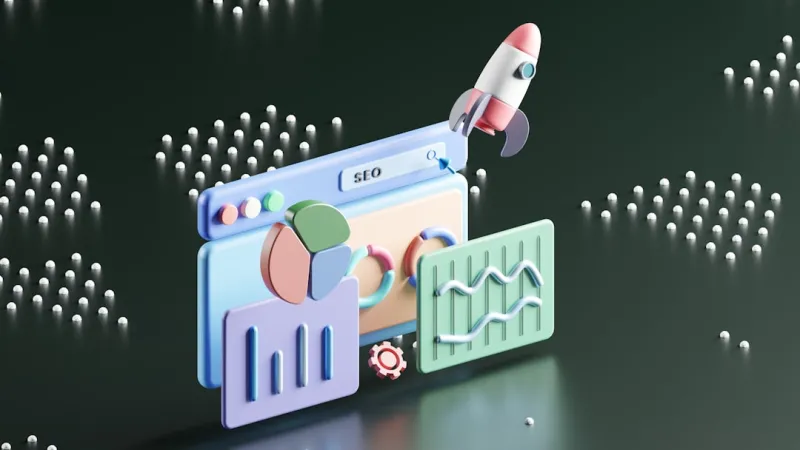
Technical SEO in 2024: Tom Ferguson’s Must‑Do Checklist for Crawl Efficiency
Tom Ferguson reveals a 2024 technical SEO checklist, covering crawl budget, Core Web Vitals, structured data, and the link between technical health and link bui...Read More

Community‑First Link Building: Turning Real Relationships into SEO Gold
Learn how to shift from outbound link spam to community‑driven outreach that builds genuine authority, drives qualified traffic, and future‑proofs your SEO....Read More
Sustainable Packaging: The New Competitive Edge for eCommerce Brands
Sustainable packaging transforms the unboxing experience into a brand‑building moment, cuts shipping costs, and meets rising consumer demand for eco‑friendl...Read More

Conversational AI Is Redefining Email Marketing
Email marketing is getting a makeover. By embedding conversational AI into inboxes, brands can deliver dynamic, two‑way dialogues that feel personal, boost en...Read More
0 Comments
Post Comment
You will need to Login or Register to comment on this post!