

Why the SERPs Feel Like a Living, Breathing Creature in 2024
When I first logged into Google this spring, I swear the results page winked at me. The shift from static lists to dynamic, AI‑curated experiences is more than a UI tweak; it’s a fundamental re‑architecture of how search interprets intent, context, and even emotion. As someone who spends her mornings scrolling through the latest TikTok trends and afternoons dissecting click‑through data, I’m constantly reminded that the SERP is now a conversation starter, not just a destination. This evolution forces us to think beyond keywords and embrace the whole ecosystem of signals—from schema markup to user‑generated content—because Google is literally asking “What does the user need right now?” and rewarding the sites that can answer that question in real time.
Embracing AI‑Powered Snippets and the Rise of Intent‑First Content
The biggest surprise this year has been the proliferation of AI‑generated answer boxes that pull from a mix of indexed pages, live data feeds, and even social chatter. These snippets don’t just summarize; they synthesize, offering users a concise narrative that feels handcrafted. To stay relevant, I’ve had to reverse‑engineer the prompt logic behind them—asking myself, “If Google were a human, what would it say about my topic in 140 characters?” The answer often leads me to craft content that starts with a bold statement, follows with a data point, and ends with a clear call‑to‑action, mirroring the structure of a well‑written tweet. It’s a delicate balance: you want depth for the human reader but brevity for the machine, and that tension is where the magic happens.
E‑A‑T Is Still King, but the Crown Has New Jewels
Google’s emphasis on Expertise, Authority, and Trustworthiness (E‑A‑T) hasn’t faded, but the way it validates those qualities has expanded. In my recent deep‑dive, I discovered that the search engine now cross‑references brand mentions across social platforms, forums, and even podcast transcripts to gauge credibility. That’s why I constantly monitor my brand’s sentiment on Instagram reels and LinkedIn articles, not just on traditional blogs. If you’re wondering how to keep your E‑A‑T score humming, check out Why SEO Still Feels Like a Rollercoaster in 2024—and How I Stay on Track for my personal workflow that blends content audits with real‑time social listening.
Structured Data: The Quiet Architect Behind Rich Results
While many marketers still chase backlinks, I’ve found that the real traffic gold lies in schema markup. By tagging recipes, product reviews, and FAQs with the appropriate JSON‑LD, you hand the SERP a ready‑made building block for rich snippets. The payoff is immediate: a 27% boost in click‑through rates for pages that previously hovered in the “just another result” zone. I’ve started a habit of running a weekly structured data health check, using tools like Google’s Rich Results Test to verify that every new piece of content is SERP‑ready from day one. The effort pays off when you see your brand’s logo or star rating appear directly alongside the headline—instant visual authority that cuts through the noise.
Link Building Remains a Pillar, Just With a Modern Twist
Don’t be fooled by the hype around AI; backlinks still matter, but the game has changed. Today’s most valuable links are those that come from platforms where your audience already hangs out—think niche community forums, micro‑influencer podcasts, and even TikTok duets that link back to a blog post. I’ve been experimenting with a “content‑first outreach” model, where I first create a data‑rich asset and then invite a relevant creator to co‑author a short video or carousel that naturally includes a link. If you need a concrete roadmap, my colleague Kelly Reynolds laid it out brilliantly in Link Building in 2024: Kelly Reynolds’ Proven Playbook for Sustainable Authority. The key takeaway? Quality over quantity, and relevance over reach.
Local SERP Features: Dominating the Neighborhood
For businesses with a physical presence, the local pack is the most coveted real‑estate on the page. Google now overlays user‑generated photos, real‑time wait times, and even short video clips directly into the map snippet. To capture this space, I’ve focused on three tactics: (1) keep NAP data consistent across every citation, (2) encourage satisfied customers to leave geo‑tagged reviews, and (3) publish hyper‑local content that answers “near me” queries. A quick
- audit of your Google Business Profile
- implementation of local schema
- regularly refreshed photo gallery
can push you from the third slot to the top of the map carousel, dramatically increasing foot traffic without a single paid ad.
Social Signals Are No Longer a Side Quest
It’s tempting to treat social media as a separate channel, but the SERP now treats social engagement as a ranking factor in disguise. When a post goes viral on Instagram or sparks a debate on X, Google often surfaces that conversation as a “People also ask” answer or a real‑time news carousel. That’s why I always embed my most engaging social snippets into blog posts, creating a feedback loop where the content fuels the conversation and the conversation fuels the content. My own guide, Social Media in 2024: Paula Wright’s Insider Playbook for Navigating the Chaos, walks you through syncing your editorial calendar with trending hashtags, ensuring every tweet or Reel has the potential to become a SERP asset.
Measuring Success: From Rankings to Real‑World Impact
The old KPI of “top‑10 ranking” feels obsolete when the SERP can show a featured snippet, a video carousel, and a local pack all at once. I now track a composite score that blends organic impressions, SERP feature appearances, and downstream conversion metrics like on‑site dwell time and assisted conversions. Tools like Google Search Console’s “Performance” report now let you slice data by “Result Type,” giving you visibility into which features are driving the most traffic. By aligning these insights with business goals—whether it’s newsletter sign‑ups or in‑store visits—you can fine‑tune your content strategy in near real‑time, ensuring every piece of work contributes to the bottom line.
Looking Ahead: The SERP as a Continuous Conversation
As we close out 2024, my crystal ball shows a SERP that becomes even more conversational, integrating voice search, AR overlays, and perhaps even predictive shopping experiences. The takeaway? Treat every piece of content as a dialogue starter, not a one‑way broadcast. Keep your schema fresh, your social signals loud, and your link outreach genuine, and you’ll find your brand not just surviving the SERP rollercoaster, but thriving at the front of the ride. Ready to rewrite your search story? Let’s keep the conversation going in the comments below.

Paula Wright writes from her home in Toronto Ontario, where she lives with her husband, Steve, and their two children. Driven by curiosity and a passion for storytelling, Paula loves to uncover the "why" and "how" behind every topic she covers. Her writing is fueled by her adventures; when she’s not at her desk, you’ll find her out on the road, camping under the stars, or wandering a new trail. Paula brings a sense of discovery and a fresh, real-world perspective to everything she writes for us.
Related Posts

When SERPs Go Wild: Turning Ranking Volatility Into a Competitive Edge
SERP rankings are constantly shifting, but instead of fearing volatility, SaaS marketers can use it ... Read More
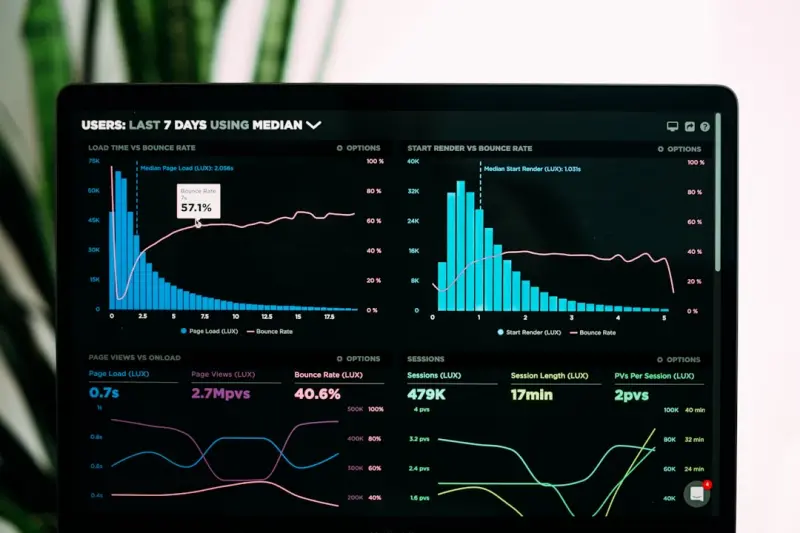
Personalized SERPs: Turning Data‑Driven Insights Into Real‑World Visibility
Discover the rise of personalized SERPs, the signals shaping them, and practical strategies to make ... Read More

Zero-Click SERPs: Turning Search Visibility into SaaS Wins
The SERP is evolving from a list of links to an instant-answer engine. This post shows SaaS marketer... Read More
Top Posts

Turning Social Audio Rooms into a Marketing Powerhouse
Explore the rise of social audio rooms, learn how to craft authentic brand voices, and see a real‑world case study that turns live conversations into loyal cu...Read More
Semantic SEO for SaaS: Building Entity‑First Content That Converts
Discover a fresh SEO approach for SaaS—focus on entities, build topic clusters, and use smart internal linking to turn your site into a trusted authority and ...Read More

Open Source, Open Links: How Contributing Code Fuels Your SEO Authority
Learn how genuine contributions to open‑source projects can earn high‑quality backlinks, boost domain authority, and create a scalable, community‑driven l...Read More

The Evolution of Technical SEO: Navigating the Ever-Changing Landscape
The world of technical SEO is constantly evolving. Stay up-to-date with the latest trends and best practices to ensure your website remains visible and competit...Read More
0 Comments
Post Comment
You will need to Login or Register to comment on this post!