

Understanding the Hidden Value of Stale Pages
Every seasoned SEO professional has stared at a traffic dip and wondered why a once‑thriving article now gathers dust, even though the site’s technical health remains impeccable. Stale content silently erodes authority because search engines interpret lack of updates as a signal that the information may no longer be relevant, causing rankings to slip while competitors who continuously refresh their pages surge ahead.
Building a Data‑Driven Refresh Calendar
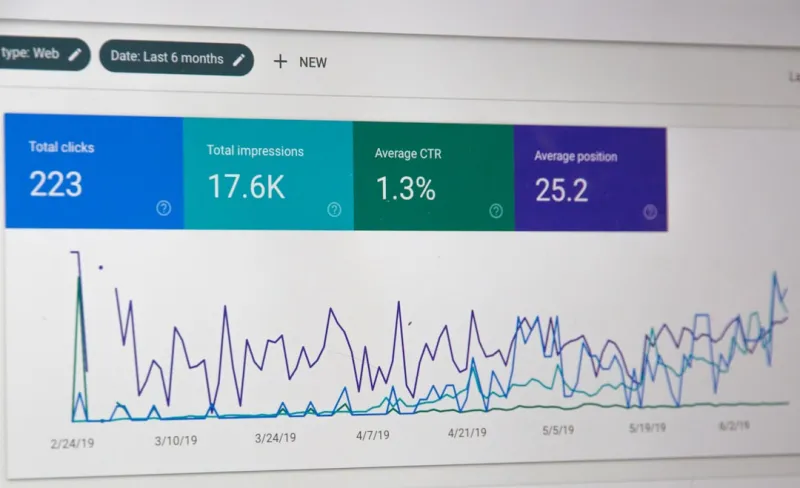
Before you scramble to edit headlines, dive into your analytics suite and extract three core metrics—organic impressions, average position, and click‑through rate—to identify which pages are underperforming yet still attract impressions; this triad reveals the sweet spot where a strategic refresh can unlock immediate gains. Next, map these pages onto a calendar that aligns with seasonal trends, product launches, and industry events, ensuring each update lands when user intent peaks. Finally, assign ownership and set clear deadlines, turning the abstract notion of “content hygiene” into a repeatable, accountable workflow that scales across teams.
Prioritizing Pages with the Highest ROI
The most efficient refresh strategy starts with a rigorous ROI matrix: calculate the estimated traffic value of each page by multiplying its average monthly clicks by the average revenue per click, then overlay the effort required for an update, measured in writer hours and technical tweaks. Pages that sit in the high‑value, low‑effort quadrant should be tackled first, because a modest polish—adding recent statistics, updating internal links, or swapping outdated images—can generate a disproportionate lift in conversions. Conversely, low‑value, high‑effort pages may be better candidates for retirement or consolidation into more comprehensive hubs.
Applying Structured Data for Freshness Signals
Search engines reward pages that provide clear, machine‑readable cues about their content, and one of the most underutilized levers is structured data that highlights update dates. By embedding dateModified schema on blog posts, product pages, and FAQ sections, you give crawlers a precise timestamp that signals freshness, often resulting in a higher propensity to appear in “recently updated” SERP features. Pair this with Article or Product markup to surface rich snippets, which not only improve click‑through rates but also reinforce the page’s relevance in the eyes of both users and algorithms.
Leveraging Internal Linking to Amplify Updates
When you refresh a cornerstone article, the ripple effect can be magnified through a deliberate internal linking audit that redistributes link equity to and from the updated page. Identify high‑authority pages that already rank well and naturally reference the refreshed content, then embed contextual links with optimized anchor text to signal its renewed importance to crawlers. This practice dovetails with the principles outlined in human‑centric link building, turning internal pathways into a strategic asset that accelerates indexing and reinforces topical relevance across your site.
Monitoring Impact with Real‑Time Analytics
Once the updates go live, the work shifts to vigilant monitoring; set up custom dashboards that track fluctuations in impressions, average position, and bounce rate within the first 48‑hour window, because early signals often predict long‑term outcomes. Use Google Search Console’s URL Inspection tool to confirm that Google has re‑crawled the revised pages, and cross‑reference with server logs to ensure the crawl budget is being allocated efficiently—a concept further explored in Crawl Budget Mastery. If you notice a dip, iterate quickly by tweaking meta descriptions or enhancing on‑page engagement elements such as video embeds or interactive tables.
Scaling the Process with Automation and Teams
Manual updates are unsustainable for large sites, so embed automation wherever possible: employ content management system (CMS) plugins that flag articles older than a set threshold, generate draft outlines with the latest keyword data, and even push revised schema markup automatically. Pair these tools with a cross‑functional team—content writers, SEO analysts, and UX designers—who meet weekly to review the refresh queue, ensuring that every stakeholder contributes expertise and that the pipeline never stalls. By institutionalizing this rhythm, you transform a sporadic maintenance task into a continuous growth engine.
Future‑Proofing Your Content Strategy
The ultimate goal of a systematic content refresh is not just to regain lost rankings but to build a resilient foundation that adapts to algorithmic shifts and evolving user intent. Incorporate evergreen topics with modular sub‑sections that can be swapped out as new data emerges, and embed “last updated” badges that set transparent expectations for readers while feeding freshness cues to search engines. When you combine data‑driven prioritization, structured markup, strategic internal linking, and automated workflows, you create a self‑reinforcing loop where each update compounds the authority of the whole property, securing long‑term visibility and sustained traffic growth.

Jessica Hall is a dynamic freelance writer based in the vibrant city of London, Ontario. As a dedicated single mom, she expertly juggles the demands of parenthood with her passion for storytelling, crafting compelling narratives that resonate with readers. With a background in retail, Jessica brings a unique perspective to her writing, infusing her work with insights drawn from her experiences.
Related Posts
Empathy‑First SEO: Turning Rankings Into Real Connections
Learn why empathy is the new engine behind SEO, how to blend it with technical foundations, and acti... Read More

How Customer Success Stories Can Supercharge Your SaaS SEO
Customer success narratives are untapped SEO gold. Learn a step‑by‑step playbook to capture, opt... Read More

Turning Free‑Trial Funnels into SEO Engines for SaaS Growth
Discover a step‑by‑step strategy to turn every stage of your SaaS free‑trial funnel into an SE... Read More
Top Posts

The Shifting Landscape of Social Media: How to Stay Ahead
Stay ahead in the ever-changing world of social media with the latest trends and best practices. Learn how to revolutionize your social strategy and drive more ...Read More

Why SERPs Are the Real Battleground in 2024 – Kelly Reynolds' Playbook
In 2024, SERPs have become the fiercest arena for brands. Kelly Reynolds shares her insider playbook, highlighting AI‑driven features, mobile nuances, and pro...Read More

The Future of Link Building: Navigating the Ever-Changing Landscape
The landscape of link building is constantly evolving. Learn how to adapt to emerging trends and best practices to ensure your link building efforts are effecti...Read More

The Human‑Centric SEO Playbook: Turning Users into Loyal Advocates
Learn why empathy, crawl budget mastery, and mobile‑first tactics are reshaping SEO, turning casual clicks into loyal brand advocates....Read More
0 Comments
Post Comment
You will need to Login or Register to comment on this post!