

Why Conversational Search Is the New Frontier for SaaS Marketers
When people talk to their devices, they expect answers—fast, accurate, and tailored to the context of the conversation. This shift from typed queries to spoken dialogue is reshaping the way prospects discover, evaluate, and ultimately adopt SaaS solutions. While many marketers have been busy optimizing for traditional SEO, a growing segment of organic traffic now arrives via voice assistants, smart speakers, and in‑app chat interfaces. Ignoring this trend is no longer an option; it’s a silent revenue leak.
Understanding the Conversational Search Landscape
Conversational search isn’t just about adding a few keywords to your content. It’s a holistic approach that blends natural language processing (NLP), structured data, and real‑time interaction. In practice, this means your product pages, help center articles, and even your support chatbot need to speak the same language that voice assistants like Alexa, Google Assistant, and Siri understand.
- Intent‑first framing: Voice queries tend to be longer and more specific, often starting with “how do I…”, “what’s the best…”, or “can I…”.
- Local context: Even B2B buyers use “near me” or “in my region” phrasing when looking for compliance‑related SaaS tools.
- Device diversity: From smartphones to in‑car infotainment systems, each platform surfaces content differently.
Recognizing these nuances allows you to craft content that answers the question before the user even finishes asking it.
Crafting Voice‑Ready Content: From Headlines to Structured Data
To capture voice traffic, you need to think like a spoken answer. That starts with answer‑first headlines. Instead of “Top 10 Features of Our Platform”, try “What a Project Management SaaS does to boost team productivity”. This phrasing aligns with the way voice assistants read out results.
Next, embed schema markup that signals to search engines the type of content you’re offering. The FAQPage and HowTo schema are especially potent for conversational queries. For instance, a HowTo schema describing “How to set up automated onboarding in a SaaS product” can appear as a spoken step‑by‑step guide.
Don’t forget to optimize for featured snippets. While the term “snippet” appears in other posts, we’re focusing on the answer box that voice assistants often read aloud. Keep answers under 40 words, start with a direct answer, and back it up with a concise explanation.
Leveraging Chatbots as Conversational SEO Amplifiers
Chatbots have traditionally been seen as a support channel, but they also double as content delivery engines. By integrating your knowledge base with a conversational AI, you can surface SEO‑optimized answers directly within the chat flow. When a visitor asks, “Can I integrate your tool with Slack?”, the bot can reply with a short, keyword‑rich sentence that mirrors the phrasing of a common voice query.
Beyond answering, chatbots can collect data on the exact language prospects use. This insight feeds back into your content strategy, allowing you to refine meta descriptions, H2 headings, and schema markup based on real‑world phrasing.
Measuring Success: Metrics That Matter for Voice and Chat
Traditional SEO metrics like organic clicks and bounce rate still apply, but voice search introduces new KPIs:
- Voice impression share: The percentage of voice queries that trigger your content.
- Chat interaction depth: How many conversational turns a visitor takes before converting.
- Answer accuracy rate: The proportion of voice or chat responses that satisfy the user’s intent, measured via post‑interaction surveys.
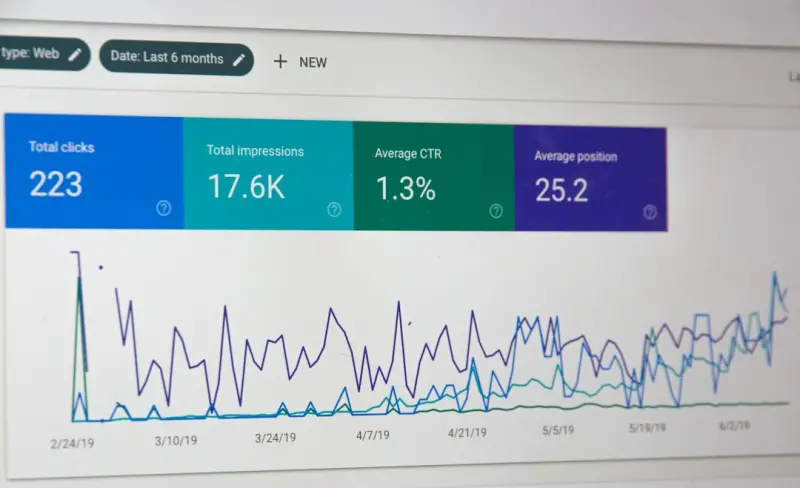
Tools like Google Search Console now surface “Searches that use voice” under the “Performance” report, giving you a clear view of where you stand. Pair this data with chatbot analytics to see the full funnel from spoken query to demo request.
Integrating Voice Strategies with Existing Digital Campaigns
Voice optimization shouldn’t exist in a silo. It can amplify the reach of other tactics you’re already running. For example, a Short‑Form Video Playbook that explains a product feature can be repurposed into an audio snippet for voice assistants. Likewise, insights from the AI Search Blueprint can guide your schema strategy, ensuring that AI‑driven platforms understand and surface your content accurately.
Cross‑promote voice‑ready blog posts in email newsletters, and embed a “Ask Alexa” button on your landing pages to encourage users to experience the conversational flow firsthand. This creates a feedback loop where users help you validate the efficacy of your voice content.
Future‑Proofing Your Conversational Strategy
The conversational landscape will only get richer. Emerging technologies like multimodal assistants that combine voice, visual, and tactile inputs will demand content that’s adaptable across formats. To stay ahead, adopt a continuous optimization mindset:
- Regularly audit your content for voice‑friendly phrasing.
- Update schema markup as new types become available.
- Train your chatbot on the latest industry jargon and buyer pain points.
- Monitor emerging platforms (e.g., voice‑enabled CRMs) for early adoption opportunities.
By treating conversational search as an evolving ecosystem rather than a one‑off project, you’ll ensure that every new voice interaction becomes a potential conversion point.
Take Action: A 7‑Step Playbook to Jumpstart Conversational SEO
Ready to turn spoken queries into qualified leads? Follow this concise roadmap:
- Step 1: Keyword research for questions – Use tools like AnswerThePublic to surface natural language queries.
- Step 2: Rewrite existing content with answer‑first headings.
- Step 3: Add FAQ and HowTo schema to key pages.
- Step 4: Deploy a chatbot that mirrors FAQ content.
- Step 5: Track voice impressions in Search Console.
- Step 6: Iterate based on chatbot conversation logs.
- Step 7: Expand to new voice platforms as they emerge.
Implementing these steps doesn’t require a massive overhaul; it’s a series of incremental improvements that compound over time. The payoff? Higher visibility in voice results, richer chatbot interactions, and a steady flow of warm leads that arrived through a conversational channel.

David MacKinnon is a dynamic freelance writer known for his captivating storytelling and keen insights into the world of technology. With a passion for exploring the intersection of innovation and everyday life, he crafts engaging narratives that not only inform but also inspire his readers.
Related Posts

Conversational AI Is Redefining Email Marketing
Email marketing is getting a makeover. By embedding conversational AI into inboxes, brands can deliv... Read More

The Evolution of Digital Marketing: Navigating the Ever-Changing Landscape
The digital marketing landscape is constantly evolving. Learn how to stay ahead of the curve with in... Read More

Why Empathy‑First Strategies Are Redefining Digital Marketing
Explore how an empathy‑first mindset transforms data, SEO, and social media into genuine conversat... Read More
Top Posts
International Technical SEO Playbook for SaaS
A deep dive into the technical steps SaaS businesses need to dominate global search—from hreflang tags and CDN optimization to localized structured data and i...Read More

Why Empathy is the Secret Weapon for Modern eCommerce Growth
Explore how empathy transforms eCommerce, from product pages to social media, driving higher conversions, stronger SEO, and lasting customer loyalty....Read More

Gamified Social Loyalty: Turning Interaction into Earned Trust
Learn to design game‑based social rewards that resonate, drive authentic advocacy, and turn casual engagement into lasting brand trust....Read More
SEO Strategy 2026: Merging AI Power with Authentic Human Connection
Explore the 2026 SEO playbook that combines AI precision, genuine relationships, and authentic social signals to boost rankings and build lasting brand authorit...Read More
0 Comments
Post Comment
You will need to Login or Register to comment on this post!