

Why “one‑size‑fits‑all” bundles are dead
When I first cut my teeth in eCommerce, the go‑to growth hack was the classic “buy one, get one free” or the static “bundle of three for $X”. They worked, sure, but they also left a lot of money on the table. The reason? Shoppers aren’t a monolith. Their purchase histories, browsing patterns, and even the time of day they shop paint a nuanced picture that a static bundle can never capture. In today’s data‑rich environment, a bundle that feels handcrafted for each visitor can be the difference between a cart that fizzles and one that explodes.
The data goldmine sitting in your cart
Every click, every scroll, every product you add (or don’t add) to the cart is a data point. When you combine that with historic order data, you can start to see patterns that are invisible to the naked eye. For example, a customer who consistently buys a high‑end espresso machine also tends to purchase a specific brand of coffee beans within 48 hours. Another segment of your audience might be a “gift‑giver” cohort that adds a premium item but never completes checkout—until you slip in a complementary accessory at the right moment.
What if you could take these patterns, feed them into a machine‑learning model, and let the algorithm surface bundle suggestions that feel like a personal shopper’s recommendation? That’s the premise of predictive product bundling, and it’s more accessible than you think.
Building the predictive engine: a step‑by‑step roadmap
Below is a pragmatic framework that any mid‑size eCommerce operation can adopt without a full‑blown data science team.
- Step 1 – Consolidate your data lake. Pull transaction records, site‑wide clickstreams, and even post‑purchase survey responses into a single warehouse. Tools like Snowflake or BigQuery make this painless.
- Step 2 – Engineer meaningful features. Think beyond SKU IDs. Create attributes such as “time since last purchase,” “average spend per category,” and “price elasticity score.” The richer the feature set, the more precise the model.
- Step 3 – Choose a modeling approach. For most eCommerce brands, a gradient‑boosted decision tree (e.g., XGBoost) or a simple collaborative‑filtering algorithm will provide a strong baseline. Test both and compare lift in a controlled A/B.
- Step 4 – Deploy as an API. Wrap the model in a lightweight micro‑service that can be queried in real time during checkout or on product detail pages.
- Step 5 – Iterate with feedback loops. Capture acceptance rates, bundle conversion, and downstream metrics (like average order value). Feed those signals back into the model to improve accuracy.
Don’t feel compelled to reinvent the wheel. If you’re already using a SaaS analytics platform, you can often export the needed tables and plug them into a managed ML service such as AWS SageMaker or Google Vertex AI.
Designing bundles that feel personal, not pushy
The art of a good bundle is in the psychology. Shoppers love the perception of a “deal,” but they also crave relevance. Here are three design principles to keep in mind:
- Complementarity over similarity. Pair items that naturally enhance each other (e.g., a yoga mat + a premium mat cleaner) rather than just stacking the same category.
- Price anchoring. Show the original combined price next to the discounted bundle price. The visual contrast makes the saving feel tangible.
- Scarcity cues. Use limited‑time language or inventory badges (“Only 12 left”) to create urgency without being obnoxious.
When the algorithm surfaces a bundle that respects these principles, the shopper perceives it as a curated recommendation rather than a sales gimmick.
Case study: From static “holiday bundle” to AI‑driven upsell
One of our SaaS clients—an online retailer of home‑office furniture—was still using a pre‑built “holiday bundle” that combined a desk, chair, and lamp for a flat discount. Their AOV hovered around $350. After integrating a predictive bundling engine, the same site began presenting shoppers with dynamic combos such as “Desk + ergonomic footrest” for customers who spent more than $300 on a desk, or “Standing desk + cable management kit” for users who frequently viewed height‑adjustable products.
The results were striking:
- AOV climbed to $425, a 21% increase.
- Bundle acceptance rate hit 18% (up from a 5% static‑bundle click‑through).
- Return‑rate dipped by 3% because the bundled accessories reduced the need for post‑purchase fixes.
The secret? The bundles were not static; they were continuously refreshed based on the latest shopper behavior, making the experience feel fresh and relevant every day.
Integrating predictive bundling with existing conversion levers
Predictive bundling works best when it plays nicely with other growth tactics. For instance, you can layer it on top of a conversational commerce flow. Imagine a chatbot that asks, “Would you like to add a matching set of accessories to your order?” and the backend instantly serves an AI‑curated bundle. The synergy boosts both the perceived personalization of the chat and the monetary impact of the bundle.
Another powerful combo is pairing bundles with data‑driven SEO content. When you publish a guide that naturally references the bundled products, you can capture organic traffic and funnel those visitors straight into a dynamic bundle on the product page. The data‑first link building methodology can be repurposed here: treat each bundle as a “content asset” that earns inbound links because it solves a specific shopper problem.
Addressing the biggest objections
Objection 1: “My customers will find bundles confusing.” The key is to surface only one or two highly relevant suggestions per session. Too many options create analysis paralysis. Keep the UI clean—a single “Recommended Bundle” card beneath the cart summary does the trick.
Objection 2: “I don’t have the technical chops to build ML models.” Start with a rule‑based engine. Use simple if‑then logic derived from your most common purchase paths (e.g., “If a customer adds a laptop, suggest a protective sleeve”). As you gather confidence, migrate to a model‑driven approach.
Objection 3: “Will bundling erode my margins?” Not if you treat the discount as a marketing expense tied to incremental revenue. The increase in AOV and reduced churn usually outweigh the modest discount you offer.
Future‑proofing: The next wave of bundle intelligence
Predictive bundling is just the first step. As generative AI becomes more mainstream, we’ll see “conversation‑driven bundles” where a shopper can type “I’m looking for a weekend getaway kit” and the system instantly assembles a product bundle (travel bag, portable charger, travel‑size toiletries) with a single click. The line between product discovery and checkout will blur, making the bundle itself a new kind of product listing.
Preparing for that future means keeping your data pipelines clean, investing in real‑time inference capabilities, and staying obsessed with the shopper’s intent. The brands that master this will turn every visit into a hyper‑personalized shopping experience, driving higher AOV, lower churn, and stronger brand loyalty.

Brody Lambert is an emerging freelance writer whose fresh voice and thoughtful approach are quickly making their mark. As a fairly new entrant in the world of freelance writing, Brody brings a blend of curiosity and dedication that fuels every project, crafting stories and content that resonate with authenticity and clarity.
Related Posts

AI‑Generated Product Descriptions: The Secret Sauce for eCommerce Growth
AI‑generated product descriptions combine data‑driven personalization, SEO‑ready language, and... Read More

Why the Post‑Purchase Moment Is the New Front Door for eCommerce Growth
The post‑purchase phase is a goldmine for eCommerce brands. Learn how thoughtful follow‑up, pers... Read More
Headless Commerce and Real‑Time APIs: Redefining the eCommerce Experience
Headless commerce, powered by real‑time APIs, lets brands deliver fast, personalized, and omnichan... Read More
Top Posts
Data‑Driven Storytelling: Merging Narrative Creativity with Analytics for Digital Marketing Success
Learn how to fuse analytics with narrative creativity, turning raw data into compelling stories that boost engagement, conversions, and brand loyalty....Read More

From Noise to Conversation: Crafting an Empathy‑First Social Strategy
Learn how an empathy‑first approach transforms social media noise into authentic conversations, turning followers into loyal customers and fueling sustainable...Read More
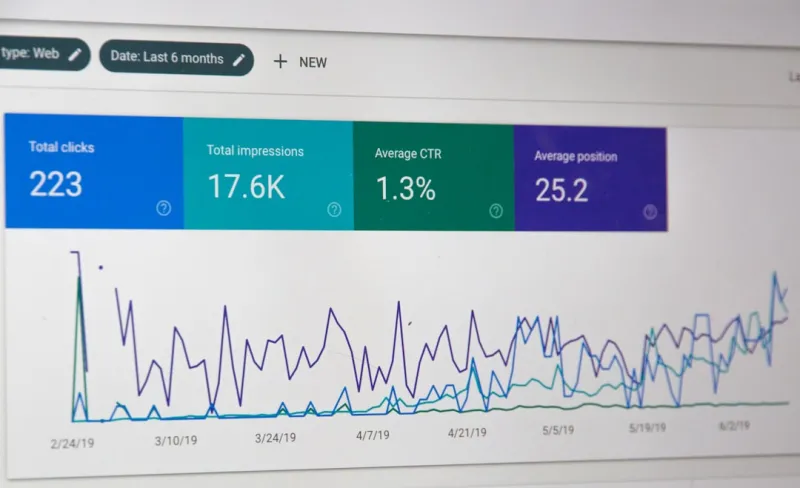
Google SEO in 2026: The Playbook for Staying Ahead of the Algorithm
A 2026 SEO playbook that blends AI‑driven SERP tactics, modern link building, mobile‑first strategies, and performance metrics to keep your site ahead of Go...Read More

Local SEO Secrets: Turning Neighborhood Conversations into SaaS Growth
This post reveals fresh, hyperlocal strategies for SaaS companies—including community listening, review engineering, influencer partnerships, and AI‑driven ...Read More
0 Comments
Post Comment
You will need to Login or Register to comment on this post!