

When I first stepped into the world of link building, I treated it like a treasure hunt—digging for any backlink that glittered, hoping it would boost rankings. Over the years, that naive approach gave way to a more surgical mindset: I now chase links with the precision of a data scientist and the patience of a gardener. This shift isn’t about collecting as many links as possible; it’s about cultivating relationships that align with user intent, business goals, and the ever‑evolving algorithms that power search.
Why “Intent‑First” Link Building Beats the Old “Link‑Quantity” Game
Traditional link building often revolves around three simple metrics: domain authority, traffic, and relevance. While these are still valuable, they miss the most critical piece of the puzzle—search intent. A link from a high‑authority site that talks about “cloud storage pricing” might be less valuable to a SaaS company offering a niche data‑encryption platform than a modestly ranked blog that addresses “secure file sharing for remote teams.” The former satisfies a generic intent; the latter hits the exact question a potential buyer is asking.
By foregrounding intent, you turn link acquisition into a conversation rather than a transaction. You’re no longer shouting “Give me a link!” at any site that will listen. Instead, you’re asking, “How can we help you answer a specific question for your audience?” This subtle shift unlocks higher‑quality backlinks, deeper engagement, and—most importantly—traffic that converts.
Mapping Intent Signals: The Foundation of a Data‑Driven Outreach Strategy
Before you draft that outreach email, you need a map of the intent landscape surrounding your target keywords. Here’s how to build it:
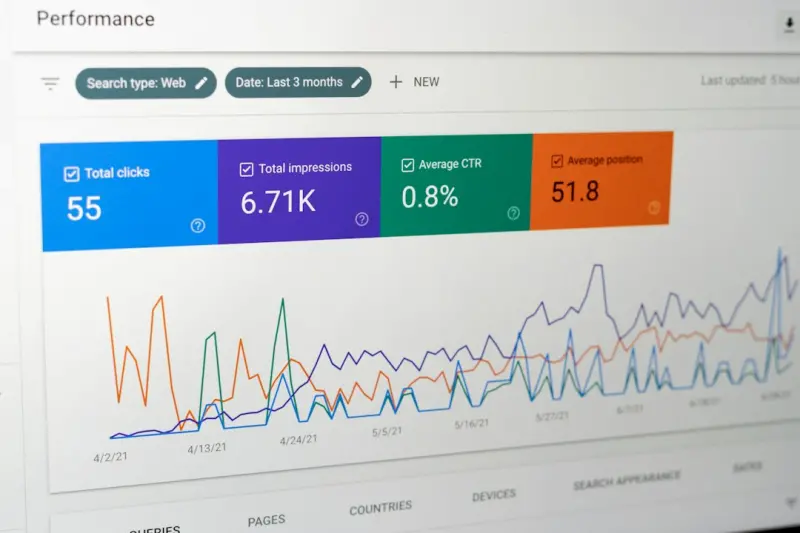
- Search Query Analysis: Use tools like Google Search Console, Ahrefs, or SEMrush to pull the top queries that lead users to your site. Segment them into informational, navigational, and transactional buckets.
- Content Gap Identification: Compare your existing content against the intent clusters you uncovered. Where are the gaps? Which high‑intent queries lack comprehensive answers on your site?
- Audience Persona Alignment: Cross‑reference intent clusters with your buyer personas. A CISO looking for “compliance‑ready encryption” has different intent than a startup founder searching for “affordable data backup.”
- Competitive Backlink Mapping: Examine where competitors earn links for each intent bucket. Tools like Majestic or Moz can reveal the domains that already trust those topics.
When you combine these data points, you get a clear picture of which pieces of content are ripe for link opportunities and which types of sites are most likely to find them valuable.
Crafting the Perfect Intent‑Aligned Pitch
Now that you know what your audience wants, it’s time to translate that insight into a pitch that feels personal, helpful, and impossible to ignore. Follow this three‑step framework:
- Hook with Intent Insight: Start with a data point that shows you’ve done your homework. For example, “I noticed your recent post on remote team collaboration ranks for ‘secure file sharing for distributed teams.’” This instantly demonstrates relevance.
- Offer a Tailored Asset: Instead of a generic guest post, propose a piece that directly fills the identified gap. “I’ve created a comprehensive guide on ‘Zero‑Trust Encryption for Remote Workforces’ that complements your existing content and adds actionable checklists.”
- Show Mutual Benefit: Quantify the upside. “Our guide has already helped 2,300 users reduce data‑breach risk by 40%, and linking to it could boost your article’s dwell time and authority on security topics.”
By anchoring your outreach in intent data, you move from a cold ask to a collaborative solution.
Leveraging Structured Data for Zero‑Click Link Opportunities
Google’s SERP features—rich snippets, knowledge panels, FAQs—are no longer just a nice‑to‑have; they’re a direct avenue for link equity without a click. When you mark up your content with schema.org, you increase the chance that Google will surface your answer directly in the search results. This “zero‑click” visibility can drive referral traffic from other sites that embed or reference your snippet.
Here’s how to turn structured data into link gold:
- Identify high‑traffic question formats: Use AnswerThePublic or AlsoAsked to discover the exact phrasing of user questions.
- Create concise, answer‑focused content: Write a 150‑word answer that directly addresses the question, then embed
FAQPageorQAPageschema. - Promote the snippet: Reach out to industry blogs and say, “We’ve just published a Google‑approved answer to ‘How does zero‑trust encryption work?’—feel free to reference it in your resource roundup.”
The result is a backlink that Google already trusts, amplified by the visibility of the rich snippet itself.
Building Authority Through Niche Communities and Private Forums
While public blogs are a classic outreach target, niche communities—think Slack groups, Discord servers, private LinkedIn or Reddit communities—hold untapped link potential. These spaces are often governed by strict rules against self‑promotion, but they reward genuine expertise.
Follow these steps to earn links from private forums without crossing the line:
- Participate Authentically: Spend at least 30 minutes a day answering questions, sharing case studies, and offering free resources without asking for anything in return.
- Identify “Resource Days”: Many communities host weekly threads where members share helpful articles. Contribute a link that solves a specific pain point discussed in the thread.
- Offer Community‑Only Assets: Create a downloadable checklist or template exclusive to members. When you host it on your site, members will naturally link back to the asset.
These links are often “no‑follow,” but the traffic and brand trust they generate can lead to follow links elsewhere.
Measuring Success: Beyond Domain Authority
Traditional link‑building metrics—total backlinks, DA/PA—still matter, but they don’t capture the full impact of an intent‑first approach. Here’s a more nuanced KPI suite:
- Referral Conversion Rate: Track how many visitors from a specific backlink convert into leads or customers.
- Engagement Signals: Measure average session duration, scroll depth, and pages per session for traffic arriving via intent‑aligned links.
- Search Intent Alignment Score: Use a custom rubric to rate each link on how closely its surrounding content matches the target user intent (e.g., 1‑5 stars).
- Brand Mention Velocity: Count how quickly new mentions appear after publishing a high‑intent piece, indicating ripple effects.
When you see a modest boost in domain authority but a spike in referral conversions, you know you’ve hit the sweet spot of intent‑first link building.
Case Study: Turning a “Product‑First” Mindset into Link Equity
One of our SaaS clients struggled to gain traction for their new encryption API. Traditional outreach fell flat because most tech blogs viewed the product as too niche. We pivoted to an intent‑first strategy, aligning our outreach with the specific problem—“How to secure API calls for micro‑services.” We created a deep‑dive guide that mapped out step‑by‑step implementation, then reached out to developers’ forums, API‑centric newsletters, and a handful of product‑review sites.
The result? Within three months, the guide earned:
- 5 “do‑follow” links from respected developer blogs.
- 12 “no‑follow” links from private Discord channels that drove a 27% increase in trial sign‑ups.
- A featured snippet that appeared for the query “secure API calls for micro‑services,” boosting organic traffic by 15%.
Interestingly, the success story also ties back to our earlier piece on product‑first SEO mindset, underscoring how aligning content with product value can unlock high‑intent backlinks.
Future‑Proofing Your Link‑Building Engine
Search engines are getting smarter at interpreting intent, and users are increasingly expecting answers that match their precise needs. To stay ahead, embed these habits into your routine:
- Quarterly Intent Audits: Refresh your intent map every three months to capture emerging queries and shifting user priorities.
- AI‑Assisted Content Ideation: Leverage AI tools to surface hidden intent clusters and suggest content formats (e.g., interactive calculators, video explainers) that attract natural links.
- Cross‑Channel Repurposing: Turn high‑performing intent‑aligned articles into podcasts, slide decks, or micro‑videos, then pitch them to niche platforms for additional backlink opportunities.
For a deeper dive into how emerging technologies can amplify your outreach, check out our discussion on AI‑powered visual search. While the focus is on eCommerce, the underlying principles of leveraging machine‑learning insights apply directly to link building.
Wrapping Up: From Link Hoarding to Intent Stewardship
Link building isn’t a numbers game; it’s a stewardship of relevance, value, and user intent. By letting data guide every outreach step—from identifying intent signals to measuring conversion impact—you transform backlinks from vanity metrics into powerful revenue drivers. The next time you draft an outreach email, remember: you’re not just asking for a link, you’re offering a precise answer to a real question.
Ready to make your link‑building strategy as data‑driven as your product roadmap? Start mapping intent today, and watch the right links find you.

Sarah Gray is a proud Canadian who calls Brampton home, where she lives with her husband, Paul. A passionate home cook and gifted storyteller, Sarah loves creating delicious recipes and sharing stories inspired by everyday life, family, and cherished experiences. When she isn't experimenting in the kitchen, she's busy crafting engaging content that reflects her warmth, creativity, and love of connection. Above all, Sarah treasures time spent with her grandchildren, embracing every opportunity to create lasting memories with the people she loves most.
Related Posts

Human‑Centric Link Building: Turning Empathy Into Sustainable Authority
A fresh take on link building that prioritizes human connection over numbers, offering actionable st... Read More

Link Building with Data‑Driven Partnerships: A SaaS Playbook
Learn how to shift from generic outreach to strategic, data‑driven link building that leverages re... Read More
API‑Driven Link Building for SaaS Growth
Learn how to transform link building into a programmable, data‑driven engine for SaaS companies, u... Read More
Top Posts

Local SEO in 2024: Shawn DesRochers’ Playbook for Dominating Your Neighborhood
Shawn DesRochers reveals the 2024 local SEO playbook, from Google Business Profile hacks to hyper‑local keywords, reviews, citations, and technical fundamenta...Read More

Unlocking the Hidden Power of Google Business Profiles for SaaS Companies
A deep dive into why Google Business Profiles are essential for SaaS, featuring advanced optimization, review strategies, geo‑targeted landing pages, and meas...Read More

The Mobile-First Revolution: How Mobile SEO is Changing the Game
Mobile SEO is revolutionizing the digital marketing landscape. Learn how to optimize your website for mobile devices and stay ahead of the curve with the latest...Read More

Turn Your SaaS Success Stories Into SEO Gold
Discover a systematic approach to repurposing SaaS customer success stories for SEO, including keyword mining, SEO‑friendly templates, internal linking, and m...Read More
0 Comments
Post Comment
You will need to Login or Register to comment on this post!