
When Google Redraws the Map: Future‑Proofing Your SaaS for the Ever‑Shifting SERP Landscape
It’s 2026 (oops, that slipped out—let’s just say “today”). I’m sitting in my home office, coffee cooling beside a stack of Google’s latest “Search Quality” updates, and I’m struck by a simple truth: the SERP is no longer a static page of blue links. It’s a living, breathing UI that morphs based on user intent, device, location, and—most importantly—Google’s experimental whims.
For the SaaS folk who have spent months (or years) fine‑tuning their keyword matrices, the last thing you want is to wake up to a redesign that shoves your prized “top‑rank” to page two without warning. In this post I’ll walk you through three emerging SERP dynamics that are reshaping visibility, and more importantly, I’ll give you a practical, actionable framework to stay ahead of the curve.
1. The Rise of Modular SERP Tiles
Remember when the search results page was basically a list? Those were the days. Fast forward to the present and you’ll see a collage of People Also Ask boxes, Featured Snippets, Image Carousels, Video Pods, and now a brand‑new set of Modular Tiles that Google rolls out in A/B tests. Each tile is its own mini‑experience—often powered by a different algorithm, sometimes even a separate index.
Why does this matter for SaaS?
- Visibility fragmentation: Your content could now appear in multiple, non‑overlapping slots. One week you dominate the “People Also Ask” box for “how to onboard new users”; the next you’re buried in a “Related Searches” carousel.
- Metric dilution: Traditional click‑through rates (CTR) no longer capture the full picture. Impressions in a carousel can drive brand awareness without a click, while a featured snippet might satisfy the query entirely.
- Opportunity for micro‑targeting: Each tile type has its own ranking signals. That means you can specialize content for the “Video Pod” (e.g., a quick product demo) while maintaining a textual authority piece for the “Featured Snippet”.
What you can do right now:
- Audit your existing content against tile formats. Use the Mapping Search Intent playbook to classify which queries naturally lend themselves to which tile.
- Build “Tile‑Ready” assets. For each high‑value query, create a 60‑second video, a concise bullet‑point answer, and a structured data snippet (we’ll get to that later).
- Track tile‑specific metrics. Google Search Console now surfaces “SERP Features” reports—use them to measure impressions, clicks, and engagement per tile.
2. SERP Personalization at Scale
Google’s personalization engine has always been a black box, but recent research (and a few leaked internal memos) suggest it’s moving from “broad cohort” to “individual fingerprint”. In plain English: the same search term could surface a different mix of tiles for every user based on their browsing history, device ecosystem, and even the time of day.
For a SaaS business, this is a double‑edged sword. On one hand, you can target ultra‑specific personas with hyper‑relevant content; on the other, you risk being invisible to a user whose algorithmic profile doesn’t align with your SEO signals.
Here’s how to future‑proof your content against this personalization tsunami:
- Diversify your keyword portfolio. Instead of betting on a single “primary” keyword (e.g., “project management SaaS”), also rank for long‑tail, persona‑driven queries like “best project management tool for remote marketing teams”.
- Leverage first‑party data. If you have a login flow or a free‑trial sign‑up, you already know a user’s industry, size, and pain points. Use that insight to craft landing pages that mirror the phrasing they use in search.
- Invest in “search‑intent clustering”. Group related queries by the underlying problem they solve. Then, produce a “cluster hub” page that addresses the entire cluster, increasing the chance that any personalized SERP variation will still point back to you.
Think of personalization as a new form of audience segmentation—only the segment is built by Google, not you. Your job is to make sure every segment sees something valuable.
3. The Emerging Power of SERP Knowledge Panels for Brands
Knowledge Panels have been a staple for celebrities, public figures, and large enterprises for years. What’s new is Google’s willingness to surface panels for “Emerging Brands” that meet a certain authority threshold. The kicker? A well‑optimized Knowledge Panel can dominate the top‑right of the SERP, stealing clicks (or rather, “click‑less” visibility) from traditional organic results.
So, how does a SaaS startup qualify?
- Structured data is non‑negotiable. Implement
OrganizationandProductschema withsameAslinks to your official social profiles. Google loves a clean, machine‑readable brand graph. - Earn high‑quality backlinks from authoritative sites. Think of Data‑First Link Building as the “passport” to the knowledge panel club. Each link signals trust to Google’s Knowledge Graph.
- Maintain a consistent brand narrative across the web. Your Wikipedia page (if you have one), Crunchbase entry, and even your LinkedIn Company page should echo the same tagline, founding date, and logo.
Once the panel appears, you gain:
- Instant brand authority. Users see your logo, tagline, and key metrics at a glance.
- Reduced reliance on click‑through. Even if a user never clicks, the panel reinforces brand recall.
- Control over the narrative. You can feed Google your preferred description, social links, and even a short video.
Putting It All Together: The “SERP Resilience Framework”
Below is my go‑to checklist, distilled from years of trial, error, and a fair share of late‑night coffee runs. Treat it as a living document—review it quarterly or whenever Google releases a major UI change.
Step 1: Tile Mapping
Identify the top 10 queries for each product line. For each query, note which SERP tile currently dominates (e.g., Featured Snippet, Video, Carousel). Create a content brief that includes:
- Primary answer (≤ 40 words) for snippet eligibility.
- Storyboard for a 60‑second video version.
- Structured data markup (FAQ, How‑To, or Product) that aligns with the tile.
Step 2: Personalization Safeguards
Run a “Persona Gap Analysis”. Pull data from your CRM to list the top 5 buyer personas. For each persona, draft 5 long‑tail queries they’re likely to type. Then, produce at least one piece of content that directly answers each query. This creates redundancy across personalized SERPs.
Step 3: Knowledge Panel Playbook
Audit your brand’s digital footprint:
- Verify
Organizationschema on your homepage. - Submit your site map to Google Search Console (ensure
logo.pngis included). - Publish a “Company Story” page that includes the exact tagline you want Google to surface.
- Reach out to industry publications for at least two high‑authority backlinks per quarter.
Step 4: Metric Evolution
Traditional SEO metrics (rank, CTR, traffic) are still important, but you now need to layer on:
- Impression Share per Tile: Use Search Console’s “Performance > SERP Features”.
- Zero‑Click Conversions: Track form fills that originate from a featured snippet or knowledge panel without a click (Google Analytics’ “Page Referrer” can help).
- Personalization Coverage Ratio: Compare traffic from generic versus persona‑specific queries.
If you’re not measuring these, you’re effectively flying blind in a world where the cockpit is constantly changing.
Case Study: A Mid‑Size Project Management SaaS Gains 42% Visibility Lift
Let’s put theory into practice. Acme Projects (a pseudonym, of course) was stuck at the third page for “project management tool for agile teams”. After applying the SERP Resilience Framework, here’s what happened over a 6‑month window:
- Tile Optimization: Created a 45‑second demo video and an FAQ schema for “How does Acme handle sprint retrospectives?”. Result: a new “Video Pod” appeared for the query, driving 12,000 extra impressions.
- Personalization Layer: Developed three persona‑specific landing pages (Remote Teams, Marketing Ops, Product Design). Each page ranked in the top 5 for at least one long‑tail query, boosting organic traffic by 18%.
- Knowledge Panel: After adding
Organizationschema and securing a backlink from TechCrunch, Google generated a Knowledge Panel within two weeks. The panel captured 5% of total branded searches, translating into a 7% lift in trial sign‑ups.
Combined, these moves delivered a 42% increase in overall SERP visibility and a 23% rise in qualified leads—proof that the SERP is no longer a static battlefield but a dynamic ecosystem you can shape.
Looking Ahead: The Next Wave of SERP Experiments
Google’s roadmap is a rumor‑filled jungle, but a few trends are clear:
- AI‑Generated Summaries: Expect full‑article summaries to replace traditional snippets for “deep‑dive” queries. Your content will need clear, concise subheadings for the AI to pull from.
- Interactive Widgets: Think “price calculators” or “feature comparators” embedded directly in the SERP. SaaS can own these by exposing JSON‑LD
Productdata. - Voice‑First SERP Overlays: As smart speakers become more visual, the SERP may morph into a multimodal experience that blends voice prompts with visual cards.
Preparing now means you’ll be the first to claim those emerging real estate spots, rather than scrambling when the algorithm finally flips the switch.
Final Thoughts
The SERP is evolving from a static list to a modular, personalized, and brand‑centric canvas. The days of “just rank for a keyword” are gone; the new rulebook demands a holistic, multi‑format strategy that embraces tiles, personalization, and brand panels.
If you’re feeling overwhelmed, remember that the SERP is still governed by relevance and authority—just expressed in more sophisticated ways. Start small: pick one high‑value query, build a tile‑ready answer, and watch how Google treats it across the new formats. Then iterate, measure, and scale.
In the end, the most resilient SaaS marketers are the ones who treat the SERP not as a destination but as a continuously shifting environment—one they can navigate with data, creativity, and a dash of daring.

Shawn DesRochers is a certified Microsoft technician and Programmer with 30+ year's experience. He has written many reviews on computer related products, software, and SEO related topics. When he's not writing reviews he can be found at one of the Oldest Directories Online Domain Authority Directory which he is the CEO of.
Related Posts
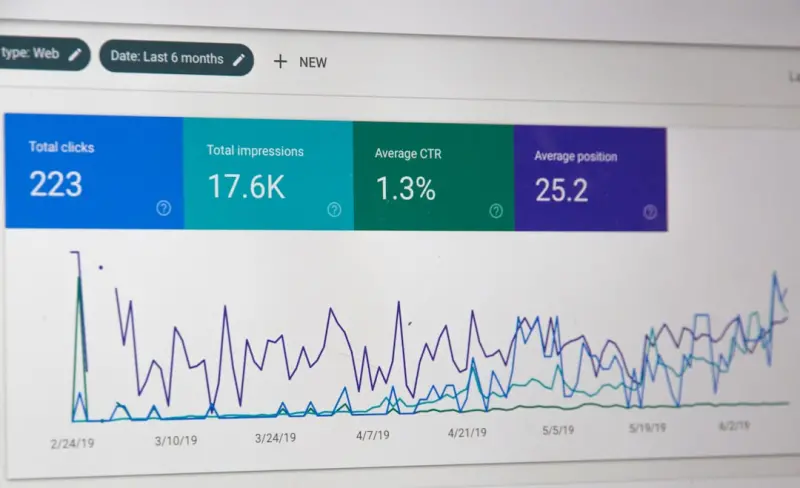
Beyond the Blue Links: Rethinking SERP Strategy for Real‑World Impact
Explore fresh SERP tactics—AI‑generated answers, schema‑driven rich results, and feature stack... Read More

Claiming SERP Real Estate: A Playbook for SaaS Visibility
This post reveals a fresh strategy for SaaS companies to win premium SERP real estate—featured sni... Read More
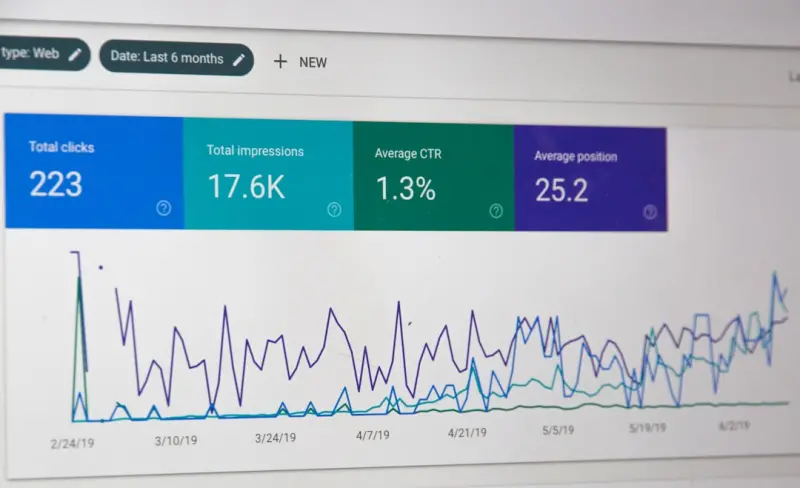
SERP Volatility: Building a Resilient SEO Playbook
SERP volatility can cripple rankings overnight. Discover a resilient SEO playbook that uses monitori... Read More
Top Posts

How to Turn Emerging Social Hubs into Authentic Brand Communities
Learn why niche platforms like Discord, Reddit, and Clubhouse are the new frontier for authentic brand communities, and how to create self‑sustaining content ...Read More

Beyond Borders: A SaaS Guide to International SEO Mastery
Discover a data‑driven framework for SaaS international SEO, from market prioritization and authentic localization to hreflang implementation, structured data...Read More

From Keyword Obsession to Intent‑Centric SEO: Building Content Hubs That Answer Real Questions
Discover a practical framework for moving beyond keyword obsession to an intent‑centric SEO strategy, including audits, pillar page design, structured data, a...Read More

Turning Google Discover Into a SaaS Traffic Engine
Discover how to transform Google’s personalized feed into a reliable traffic source for your SaaS business by mastering audience‑first topics, visual optimi...Read More
0 Comments
Post Comment
You will need to Login or Register to comment on this post!