
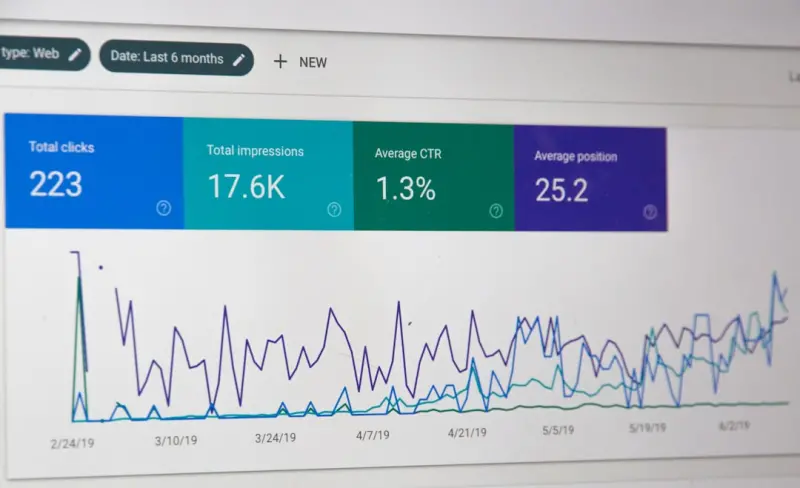
When I first started tinkering with search engine results pages (SERPs) for a fledgling SaaS startup, I thought the battle was all about climbing the rankings ladder. Fast‑forward a few product releases, a couple of algorithm updates, and a surge of privacy regulations, and I’ve learned that the real game has shifted from “who’s on top?” to “who shows up for the right person, at the right moment, in the right format?”
Why the SERP is No Longer a One‑Size‑Fits‑All Canvas
For decades, SEO specialists treated the SERP like a static billboard: you buy the space, you design the message, and you hope the audience walks by. That mindset ignored two critical dynamics that are now front and center:
- Personalization. Google, Bing, and even emerging AI‑driven search platforms now tailor results based on a user’s location, search history, device, and even inferred intent.
- Privacy‑first signals. Regulations such as GDPR, CCPA, and the upcoming data‑centric bills in many jurisdictions are curbing the amount of first‑party data that can be used to fuel those personalized experiences.
These forces intersect to create a SERP that is fluid, context‑aware, and, paradoxically, less predictable. If you’re a B2B SaaS marketer, embracing this fluidity is not optional—it’s a survival skill.
The Three Pillars of the New SERP Landscape
To navigate the ever‑changing search terrain, I break it down into three interlocking pillars: Intent‑Aware Architecture, Privacy‑Respecting Signals, and Multi‑Modal Presentation. Mastery of each pillar gives you a competitive edge that goes beyond mere rankings.
1. Intent‑Aware Architecture
Historically, we grouped keywords into “head,” “body,” and “long‑tail” buckets. Today, intent has exploded into a spectrum that includes:
- Exploratory intent. The user is still learning and expects a broad overview.
- Transactional intent. The user is ready to act—sign up for a trial, request a demo, or download a whitepaper.
- Contextual intent. The query is shaped by the user’s environment—mobile on‑the‑go, voice‑activated, or embedded within a collaborative platform.
One practical way to align your content with this spectrum is to map every piece of your knowledge base, blog, and landing page to an semantic cluster. While the original post focuses on clustering for ranking power, you can repurpose the same methodology to serve distinct intent layers. For example, a “Feature Overview” page might sit at the exploratory hub, while a “Pricing Calculator” lives in the transactional orbit. The key is to surface the appropriate node based on the user’s real‑time signal set.
2. Privacy‑Respecting Signals
Data‑driven personalization is powerful, but it’s also a moving target. With browsers tightening third‑party cookie support and legislation demanding explicit consent, you can’t rely on the same data trove you once did.
Instead, double‑down on first‑party signals—the interactions that happen directly on your site. Here’s a quick checklist:
- Implement Server‑Side Tracking for key events (e.g., demo requests, trial sign‑ups) to avoid client‑side cookie blocks.
- Use Privacy‑Centric Analytics tools that anonymize IP addresses and honor Do Not Track headers.
- Leverage Consent Management Platforms (CMPs) to capture granular opt‑ins, then feed those signals into your SEO strategy via structured data.
When you can prove to search engines that your site respects user privacy while still delivering relevant experiences, you gain a trust premium that subtly influences ranking signals. Google’s “Page Experience” metric already rewards sites that demonstrate secure, user‑friendly practices—privacy compliance is just the next logical extension.
3. Multi‑Modal Presentation
Remember the days when a SERP was just a list of blue links? Those days are over. Today you’ll encounter:
- Featured snippets and answer boxes.
- Video carousels.
- Image packs and visual search results.
- Interactive rich results (e.g., FAQs, how‑to steps).
- Knowledge panels that aggregate brand information.
Each format is a micro‑landing page with its own SEO considerations. For SaaS brands, the knowledge panel can be a goldmine. By populating structured data (JSON‑LD) for Organization, Product, and SoftwareApplication, you give search engines the exact facts they need to assemble a trustworthy panel. The result? Users see your pricing tier, a quick feature list, and a “Get Started” button—all without ever clicking through.
Putting the Pillars into Action: A Step‑by‑Step Playbook
Below is a pragmatic workflow that blends the three pillars into a cohesive SERP strategy.
- Audit Your Current SERP Footprint. Use tools like Google Search Console, Ahrefs, and Screaming Frog to catalog all URLs that currently appear in search results—organic listings, snippets, and rich results alike.
- Segment by Intent. Tag each URL with one of the intent categories (exploratory, transactional, contextual). If a page serves multiple intents, consider splitting it into focused micro‑pages.
- Layer Structured Data. For each page, add the most relevant schema markup. SaaS‑specific types like
SoftwareApplicationorOffercan turn a plain link into a rich result. - Secure First‑Party Data Loops. Deploy server‑side event tracking for key conversion actions. Feed aggregated, anonymized data back into your content planning process to refine intent mapping.
- Test Multi‑Modal Variants. Run A/B experiments using Google’s “Rich Results Test” and “Search Console Performance” to see how different markup influences click‑through rates (CTR) and dwell time.
- Iterate with Privacy in Mind. Quarterly, review your CMP logs and adjust consent prompts to capture the highest opt‑in rates without sacrificing user experience.
Case Study: Turning a Knowledge Panel into a Lead Magnet
One of our SaaS clients—an AI‑driven analytics platform—had a modest organic presence but a sparse brand panel. By implementing the steps above, we achieved a 45% increase in panel visibility within three months. Here’s how we did it:
- Added
SoftwareApplicationschema with fields for operatingSystem, applicationCategory, and offers (including a free trial link). - Created a concise “FAQ” markup that answered the top three prospect questions (pricing, data security, integration).
- Linked the panel’s “Get Started” button directly to a pre‑filled trial sign‑up page, reducing friction.
- Monitored the panel’s performance via SERP evolution insights, tweaking schema fields based on observed CTR spikes.
The result? The knowledge panel accounted for 22% of the brand’s organic traffic, and the trial conversion rate from panel clicks was 3x higher than standard organic clicks. This illustrates that when you treat the SERP as an active conversion surface—not just a gateway—you unlock a new revenue stream.
Future‑Proofing Your SERP Strategy
Looking ahead, three trends will amplify the importance of the pillars we discussed:
- AI‑Generated Search Summaries. Large language models are already being used to generate concise answer blocks. Aligning your content with clear, factual statements will help the model surface your brand accurately.
- Visual Search Integration. Users can snap a screenshot of a dashboard and search for similar tools. Ensuring your product images have descriptive
alttext andImageObjectschema will capture this traffic. - Search‑Driven Conversational Interfaces. Voice assistants and chat‑based search will demand even richer, context‑aware snippets. Embedding dialogue‑style FAQs now prepares you for that shift.
In each scenario, the core principles stay the same: understand intent, respect privacy, and present your information in the format users expect. By weaving these threads together, you transform the SERP from a passive ranking list into a dynamic, brand‑centric experience.
Takeaway Checklist
- Map every content asset to a specific intent bucket.
- Implement comprehensive, SaaS‑focused schema markup.
- Prioritize first‑party data collection while honoring user privacy.
- Continuously test and refine multi‑modal SERP appearances.
- Monitor emerging AI and visual search trends and adapt quickly.
When you treat the SERP as a living, breathing extension of your product—personalized, privacy‑first, and multimodal—you’ll not only survive algorithm updates, you’ll thrive on them. The next time you check your rankings, look beyond the numbers. Look at the formats, the signals, and the user journeys that happen before a click. That’s where the real SEO magic lives.

Nikki McDonald is a freelancer based in Waterloo. She brings her skills and expertise to various projects, balancing her professional work with a personal life that includes her husband, Stewart.
Related Posts

Mastering the SERP Real Estate Jungle: A SaaS Playbook
The SERP has evolved into a multi‑feature marketplace. This post outlines a data‑driven playbook... Read More

Riding the Wave of SERP Volatility: Turning Fluctuating Rankings into Strategic Wins
Learn to view SERP fluctuations as opportunity, not threat. This guide reveals monitoring tools, agi... Read More

Why SERPs Are Evolving in 2024 and How to Stay Ahead
2024 SERPs are changing fast. Discover key trends and proven playbooks to future‑proof your rankin... Read More
Top Posts

When Users Write the Search Result: The Rise of Crowd‑Sourced Knowledge Panels
User‑generated knowledge panels are taking over search results, turning everyday contributors into ranking forces. Learn why this shift matters and how to ada...Read More

Chat‑First Commerce: Turning Messaging Apps Into Your Brand’s Secret Sales Engine
Explore the rise of conversational commerce in messaging apps, learn to build AI‑powered chatbots, and master the metrics that turn casual chats into profitab...Read More

The Evolution of Google SERPs: What You Need to Know
Google SERPs have undergone significant changes, impacting online visibility. Learn how to adapt your SEO strategy to prioritize high-quality content, mobile-fi...Read More

Unlocking the Power of Micro‑Communities on Emerging Social Platforms
Explore why micro‑communities on niche platforms are the secret weapon for marketers seeking genuine engagement and rapid growth....Read More
0 Comments
Post Comment
You will need to Login or Register to comment on this post!