

Why Mobile‑First Isn’t Just a Trend Anymore
When I first started optimizing sites for search, the desktop browser was the king of the hill, and every strategic decision revolved around that static, mouse‑driven experience. Today, the reality is that over half of global web traffic now originates from smartphones, and Google’s index reflects that shift by defaulting to mobile‑first crawling, which means the search engine evaluates exactly what your users see on a 6‑inch screen before it ever looks at the desktop version. This fundamental change forces us to re‑think every element of our SEO playbook—from keyword research that accounts for conversational, voice‑driven queries to page layouts that load in under two seconds even on a 3G connection. Ignoring this shift is no longer an option; it’s a silent invitation for competitors to outrank you simply by delivering a faster, more intuitive mobile experience that aligns with modern user expectations.
The Human‑Centric Lens: Turning Tiny Screens into Trust Engines
My philosophy has always been that SEO should serve people, not algorithms, and mobile SEO amplifies that truth because the device itself forces intimacy. When a user pulls out a phone in a coffee shop to search “best espresso near me,” they aren’t just looking for a list; they’re seeking an immediate, trustworthy solution that fits their momentary context. By crafting content that anticipates that micro‑intent—using clear, concise language, local landmarks, and schema markup that tells Google you’re the closest option—you transform a fleeting glance into a lasting brand impression. It’s this human‑centric focus that turns a tiny screen into a trust engine, where the user’s confidence in your relevance translates directly into higher click‑through rates, longer dwell times, and ultimately, more conversions.
Technical Foundations: Speed, Responsiveness, and Core Web Vitals
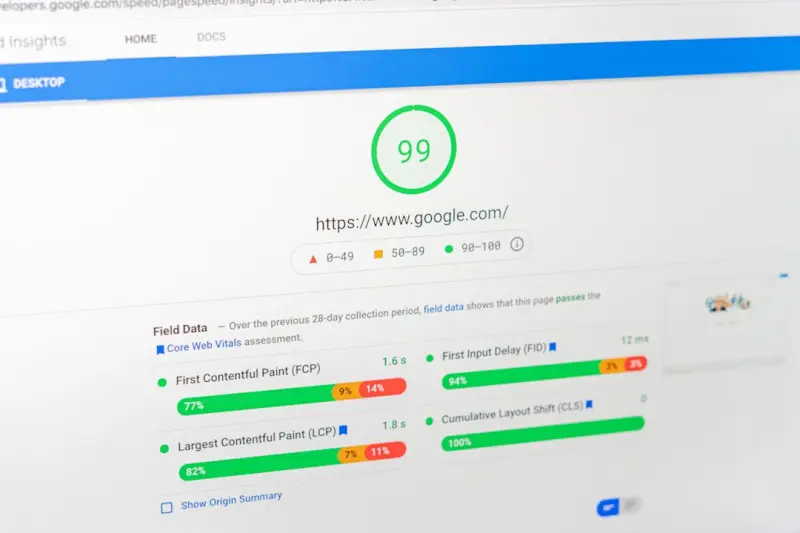
Speed is the new currency of the mobile web, and the Core Web Vitals—Largest Contentful Paint, First Input Delay, and Cumulative Layout Shift—are the metrics that quantify a page’s perceived performance in the eyes of both users and search engines. A single heavy image or a blocking JavaScript call can add a full second to load time, which research shows can shave up to 20% of your mobile traffic away. To mitigate this, I champion a layered approach: first, serve appropriately sized images via srcset and modern formats like WebP; second, leverage server‑side caching and a content delivery network to bring assets geographically closer to the user; third, defer non‑critical JavaScript and adopt lazy loading for below‑the‑fold content. When these practices are combined with a responsive design that adapts fluidly to any viewport, you not only satisfy the Core Web Vitals but also lay a solid foundation for the human‑centric experiences that keep users coming back.
Mobile Crawl Budget: Getting Google to See What Matters
While speed and design win hearts, Google’s crawl budget determines whether those winning pages ever get noticed. Mobile‑first indexing means that Google allocates a portion of its crawl budget specifically for your mobile URLs, and if you flood it with low‑value or duplicate pages, the engine may never reach the high‑impact content you’ve painstakingly optimized. The solution is strategic pruning: consolidate thin or near‑duplicate pages, use canonical tags to point Google toward the definitive version, and employ a logical URL structure that mirrors your site’s information hierarchy. By doing so, you not only conserve crawl budget but also signal to Google which pages are truly valuable for users. For a deeper dive into this often‑overlooked lever, check out our guide on Mastering Crawl Budget, which walks you through practical steps to keep the engine humming efficiently.
Content Architecture: Schema, Structured Data, and Voice Search
On mobile, users expect answers instantly, and structured data is the backstage crew that delivers those answers in rich snippets, featured cards, and voice responses. Implementing schema types such as LocalBusiness, FAQPage, and Product not only helps Google understand the context of your content but also gives you a fighting chance to appear in the coveted “position zero” where users rarely scroll. Moreover, with the rise of voice assistants, the language of your content should mimic natural speech patterns, answering questions in a conversational tone that aligns with the way people phrase spoken queries. By marrying robust schema markup with human‑first copy, you create a synergy that amplifies visibility across both traditional SERPs and emerging voice‑driven experiences.
Local Signals and Accelerated Mobile Pages (AMP)
For businesses that rely on foot traffic, local SEO is the bridge between a mobile search and a real‑world visit. Google’s mobile‑first approach has elevated local packs, maps, and reviews to the top of the results page, making it critical to keep NAP (Name, Address, Phone) information consistent across your site and third‑party listings. Additionally, Accelerated Mobile Pages (AMP) can be a powerful tool for delivering lightning‑fast content, especially for news articles or product announcements that need immediate exposure. While AMP is no longer a ranking requirement, its performance benefits—near‑instant load times, built‑in caching, and streamlined HTML—can give you a measurable edge in the mobile arena, reinforcing the trust signals that local users depend on when making quick decisions.
Human‑Centric SEO Strategy: Turning Users Into Loyal Advocates
All the technical tweaks in the world won’t matter if the underlying message doesn’t resonate with real people. A human‑centric SEO strategy starts by mapping the customer journey from the moment they type a query on their phone to the post‑purchase experience, ensuring each touchpoint delivers value, clarity, and empathy. This means crafting product descriptions that answer the “why” behind a purchase, embedding user‑generated content like reviews and Q&A to build social proof, and creating micro‑content—such as quick‑read blog snippets or how‑to videos—that fits naturally into a mobile scrolling session. By aligning SEO goals with the emotional drivers of your audience, you turn casual browsers into brand advocates who not only convert but also amplify your message through word‑of‑mouth and social sharing. For a comprehensive framework, explore our piece on Human‑Centric SEO Strategy, which outlines the exact steps to embed humanity into every optimization decision.
Actionable Checklist: From Audit to Ongoing Optimization
To translate theory into results, I always end my mobile SEO engagements with a concise, actionable checklist that teams can follow week after week. Start with a mobile‑first crawl using tools like Screaming Frog or Sitebulb to spot indexability issues, then verify Core Web Vitals in Google Search Console and address any outliers. Next, audit your schema implementation with Rich Results Test, ensuring every product, article, and local business entry is marked up correctly. After that, perform a crawl‑budget analysis—prune thin pages, consolidate duplicate content, and set proper canonical tags. Finally, run a usability test on real devices to gauge tap target sizes, font legibility, and navigation ease, making adjustments based on direct user feedback. By treating this checklist as a living document and revisiting it regularly, you keep your mobile presence agile, trustworthy, and primed for the evolving expectations of today’s on‑the‑go searchers.

David MacKinnon is a dynamic freelance writer known for his captivating storytelling and keen insights into the world of technology. With a passion for exploring the intersection of innovation and everyday life, he crafts engaging narratives that not only inform but also inspire his readers.
Related Posts

Deep Linking & Mobile SEO: Unlocking the Hidden Traffic Funnel for SaaS
Deep linking lets SaaS apps appear directly in mobile search results, bridging the gap between web a... Read More

The Ultimate Mobile SEO Audit Playbook Every SaaS Founder Needs
A step‑by‑step mobile SEO audit guide for SaaS companies, detailing technical foundations, conte... Read More

Optimizing for Mobile: The Key to Unlocking Online Success
With more users accessing the internet on their mobile devices, businesses must prioritize mobile SE... Read More
Top Posts
Visual Search SERPs: How Image‑First Queries Are Redefining SEO
Explore the surge of visual search, learn technical fundamentals for image indexing, and get a strategic playbook to dominate image‑first SERPs and boost orga...Read More

Conversational Commerce: Turning Messaging Apps Into SaaS Growth Engines
Discover a step‑by‑step playbook for leveraging messaging apps as a powerful, low‑friction channel to nurture prospects, boost conversions, and integrate ...Read More

Data‑Driven Link Building: A Relationship‑First Playbook for SaaS
Traditional link tactics are losing their edge. This post outlines a data‑driven, relationship‑first approach to earning high‑quality backlinks for SaaS c...Read More

Social Storytelling: Humanizing Complex SaaS for Real Impact
Discover the power of social storytelling for intricate SaaS products, from mapping narratives to each platform to leveraging employee advocacy and micro‑infl...Read More
0 Comments
Post Comment
You will need to Login or Register to comment on this post!