

Why Social Storytelling Matters More Than Features
When I first stepped onto the stage at a SaaS conference, I realized that the audience wasn’t there for a deep dive into API endpoints or latency metrics. They were there for a narrative—a reason to believe that the product could solve a real problem they faced. In the B2B world, especially for complex SaaS solutions, the gap between technical brilliance and human relevance is wider than most marketers admit. Social storytelling bridges that gap, turning abstract capabilities into relatable journeys that resonate across LinkedIn feeds, Twitter threads, and community forums.
The Anatomy of a Compelling SaaS Story
A good story for a sophisticated SaaS product has three essential ingredients: a relatable protagonist, a clear conflict, and a transformative outcome. The protagonist isn’t the product; it’s the buyer persona—often a CTO, a product manager, or an operations director. The conflict is the pain point they wrestle with daily: data silos, compliance nightmares, or scaling bottlenecks. The transformative outcome showcases how the SaaS platform turned chaos into control. By framing the narrative around people, you make the technology feel like a trusted ally rather than a cryptic black box.
Mapping Story Beats to Social Channels
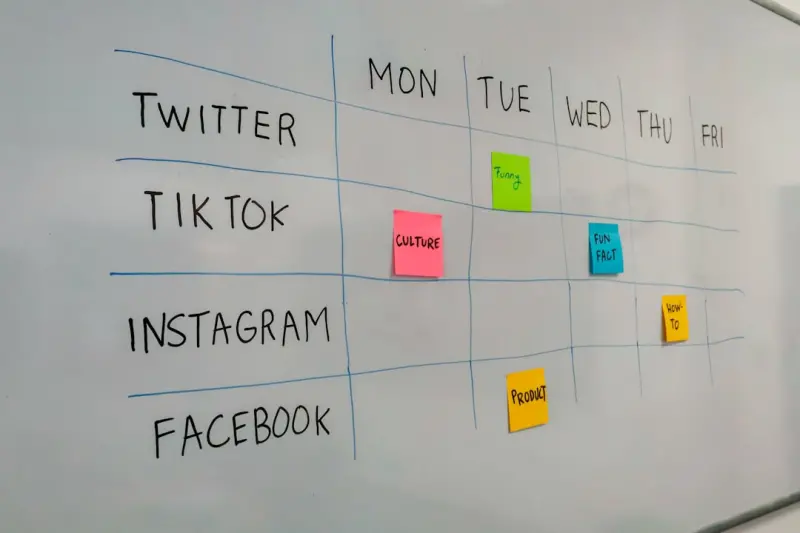
Each social platform has its own rhythm. LinkedIn thrives on long‑form thought pieces, Twitter rewards bite‑sized insights, while Instagram (yes, even for B2B) favors visual anecdotes. The trick is to slice the same story into channel‑specific beats. Start with a hook on Twitter—“We helped a mid‑market fintech cut data‑integration time by 70% in 90 days.” Expand that hook into a LinkedIn article that dives into the journey, challenges, and lessons learned. Finally, craft a carousel for Instagram that visualizes the before‑and‑after, using simple graphics to illustrate complex concepts.
Humanizing Data: The Power of Real‑World Metrics
Metrics are the lifeblood of SaaS, but raw numbers can feel sterile. Instead of saying “Our platform reduces latency by 45%,” frame it as “Our client’s customers no longer experience the dreaded loading wheel, leading to a 20% lift in satisfaction scores.” Pair the metric with a quote from a real user, a photo of their team, or a short video snippet. When you embed human context into data, you create a story that sticks—and that stickiness fuels social shares.
Leveraging employee advocacy Without Repeating the Same Playbook
Many brands treat employee advocacy as a checkbox. The truth is, it’s a storytelling accelerator. Encourage engineers, sales reps, and support staff to share “day‑in‑the‑life” moments that illustrate how they solve customer problems. But go beyond reposting corporate announcements. Give them a narrative framework—challenge, approach, result—so their posts feel like authentic stories, not corporate propaganda. When employees narrate the impact of the product from their unique perspectives, you multiply the story’s reach and credibility.
Embedding interactive content Into Your Narrative
Interactive elements transform passive readers into participants. Imagine a LinkedIn post that links to a short, interactive quiz: “Which data‑integration nightmare matches your organization?” As users answer, they receive a tailored storyline that mirrors their challenges and subtly introduces your solution as the hero. This approach not only deepens engagement but also harvests valuable insights for future storytelling. The key is to align the interactivity with the narrative arc—let the user’s choices shape the plot.
Storytelling Across the Buyer’s Journey
Top‑of‑funnel prospects need awareness—think “I have this problem, but I didn’t know there’s a solution.” Mid‑funnel audiences crave evaluation—“Here’s how this solution has transformed similar companies.” Bottom‑of‑funnel prospects look for validation—“This is the exact ROI you’ll see.” Craft three versions of the same core story, each calibrated for its stage. For awareness, use anecdotal hooks. For evaluation, dive into case‑study details. For validation, showcase quantifiable outcomes and client testimonials.
Micro‑Influencers: The Unsung Heroes of B2B Storytelling
In the B2B arena, micro‑influencers aren’t just industry analysts; they’re niche experts—think a cloud‑cost‑optimization guru with 5k followers or a compliance specialist with a thriving Substack. Partner with them to co‑create stories that blend their authority with your product’s value. A joint LinkedIn Live where the influencer walks through a real‑world migration, highlighting pain points and then demonstrating how your platform solves them, creates a story that feels both expert‑driven and product‑centric.
Measuring Narrative Impact: Beyond Likes and Shares
Traditional social metrics (likes, comments, impressions) tell you how far the story traveled, but not how deeply it resonated. Introduce narrative KPIs: story‑completion rate (how many users scroll through an entire carousel), sentiment shift (positive vs. negative comments before and after a campaign), and referral velocity (how quickly readers share the story with peers). Use social listening tools to track brand mentions that reference the specific storyline you’ve deployed. These insights help you refine the narrative beats for future iterations.
Scaling Stories Without Diluting Authenticity
As your SaaS portfolio grows, you’ll be tempted to mass‑produce template‑based stories. Resist. Instead, build a story library—modular components (intro, conflict, outcome) that can be mixed and matched. Keep a repository of customer quotes, data visualizations, and visual assets that are pre‑approved for use. When a new product launch arrives, you can quickly assemble a fresh narrative by swapping in the relevant conflict and outcome while preserving the brand’s voice.
Future‑Proofing Your Social Narrative
The social landscape is evolving. Emerging formats like audio‑first posts and AR‑enhanced carousels will soon become mainstream. Anticipate how your core story can be translated into these new mediums. A podcast episode that dramatizes a client’s migration journey, or an AR filter that lets prospects visualize data flow diagrams in their own office, will keep your narrative relevant and engaging as platforms shift.
Takeaway Checklist
- Identify the human protagonist. Who is the story really about?
- Define the conflict clearly. What pain point drives the narrative?
- Show transformation with tangible outcomes. Use metrics wrapped in human context.
- Adapt the story to each platform’s rhythm. Hook‑tweet, deep‑dive LinkedIn, visual carousel.
- Empower employees and micro‑influencers. Give them a narrative framework, not a script.
- Integrate interactive elements. Quizzes, calculators, or polls that extend the plot.
- Track narrative‑specific KPIs. Completion rates, sentiment shifts, referral velocity.
- Build a modular story library. Reuse components without losing authenticity.
- Plan for emerging formats. Audio, AR, and beyond.
Final Thought: Stories Are the New SaaS Currency
In a market saturated with feature sheets and whitepapers, the brand that can weave a genuine, human story will stand out. Social storytelling isn’t a side project; it’s the central nervous system of a modern B2B SaaS marketing engine. By treating every piece of content as a narrative fragment—whether it’s a tweet, a LinkedIn article, or an employee’s LinkedIn post—you create a cohesive tapestry that turns prospects into believers and believers into advocates.

Tom Ferguson is a Canadian freelance writer with a passion for storytelling, current events, and thoughtful commentary. Drawing on years of writing experience, he shares engaging insights on a wide range of topics, bringing a uniquely Canadian perspective to his work.
Related Posts

The Shifting Landscape of Social Media: How to Stay Ahead
The social media landscape is constantly evolving. Stay ahead of the competition by leveraging the p... Read More

Navigating the Social Strategy Frontier: Tom Ferguson’s 2024 Playbook
Tom Ferguson shares a forward‑thinking social strategy roadmap for 2024, covering community‑firs... Read More

Turning Everyday Advocates into a Sustainable Growth Engine
Learn to harness everyday advocates through strategic referral loops, using psychology, technology, ... Read More
Top Posts

Interactive Assets: The New Frontier for Sustainable Link Building
Interactive assets like calculators and simulators turn data into shareable experiences, earning natural backlinks and driving qualified leads for SaaS marketer...Read More

Local SEO for SaaS: Turning Neighborhood Signals into Qualified Leads
Discover a step‑by‑step guide for SaaS businesses to harness local SEO, from audit basics and city‑specific content to community‑driven link building an...Read More

The Evolution of Digital Marketing: Navigating the Shifting Landscape
The digital marketing landscape is constantly evolving. Learn how to navigate the shifting landscape and stay ahead of the curve with the latest trends and tech...Read More
Social Listening as the Engine for Product Innovation and Growth
Discover a step‑by‑step approach to turning everyday social chatter into strategic product decisions, content that ranks, and a brand voice that truly reson...Read More
0 Comments
Post Comment
You will need to Login or Register to comment on this post!