
Why Zero‑Click Search Is the New Battlefield for SaaS SEO
When I first started tinkering with search engine optimization, the mantra was simple: rank higher, get more clicks. Fast‑forward a few releases, and Google’s answer boxes, People Also Ask, and rich snippets have turned the SERP into a self‑serving storefront. For SaaS companies, this shift is not a gimmick—it’s a strategic imperative.
The Anatomy of a Zero‑Click Result
Zero‑click search describes any SERP entry that satisfies the user’s intent without a subsequent click. The most common formats are:
- Featured Snippets – concise answers pulled from a page and displayed at the top.
- Knowledge Panels – brand‑level summaries that sit on the right (or left) side of the results.
- People Also Ask (PAA) – expandable question clusters that surface related queries.
- Rich Cards & Sitelinks – quick navigation elements that let users jump to sub‑pages directly.
Collectively, these elements capture up to 70% of all searches in some verticals. In SaaS, where the purchase journey is research‑heavy, owning one or more of these spots can mean the difference between a warm lead and a cold dead‑end.
Zero‑Click vs. Traditional Click‑Based SEO
Traditional SEO still matters—Google won’t rank you if you don’t have a solid foundation. But zero‑click optimization flips the script:
- Visibility over traffic: Your brand appears before a user decides to click anywhere else.
- Authority signal: Google’s algorithms treat featured snippets as “best answer” endorsements.
- Reduced funnel friction: Users get the info they need instantly, shortening the decision cycle.
In practice, you’ll often see a dip in raw click‑through rates (CTR) when you successfully capture a snippet. That dip is a good problem—your content is doing its job without demanding a click.
How to Engineer a Snippet‑Ready Asset
Creating content that Google loves to surface as a snippet is part art, part science. Below is a step‑by‑step framework I rely on for every SaaS product launch.
1. Map Core User Questions
Start with a question‑first mindset. Pull data from:
- Support tickets and chat logs.
- Search console “queries with zero clicks”.
- Industry forums and Reddit threads.
Group these questions into clusters that mirror the buyer’s journey: What is X?, How does X compare to Y?, When should I upgrade?. This is where semantic topic clusters become invaluable—they ensure you’re covering the full intent spectrum without cannibalizing your own pages.
2. Structure Content for Extraction
Google’s algorithm looks for clear, concise answers. Use the following HTML patterns:
- Definition lists (
<dl>) for “what is” queries. - Tables for comparison questions.
- Ordered lists for step‑by‑step guides.
- Bold the answer phrase within the first 100 words to give the parser a clear signal.
Example:
<h2>What is churn rate?</h2>
<p><strong>Churn rate</strong> measures the percentage of customers who cancel your service over a given period.</p>
3. Optimize for Concise Answers
Featured snippets typically display 40–50 words. Draft an answer that fits that window, then expand with deeper context below. Think of the snippet as the elevator pitch; the rest of the page is the brochure.
4. Leverage Structured Data
Schema.org markup isn’t just for product pages. Use FAQPage and HowTo types to give Google explicit signals about question‑answer pairs. When paired with the AI‑driven search capabilities, structured data boosts the likelihood that your content will be surfaced as a rich answer.
5. Prioritize Page Speed and Core Web Vitals
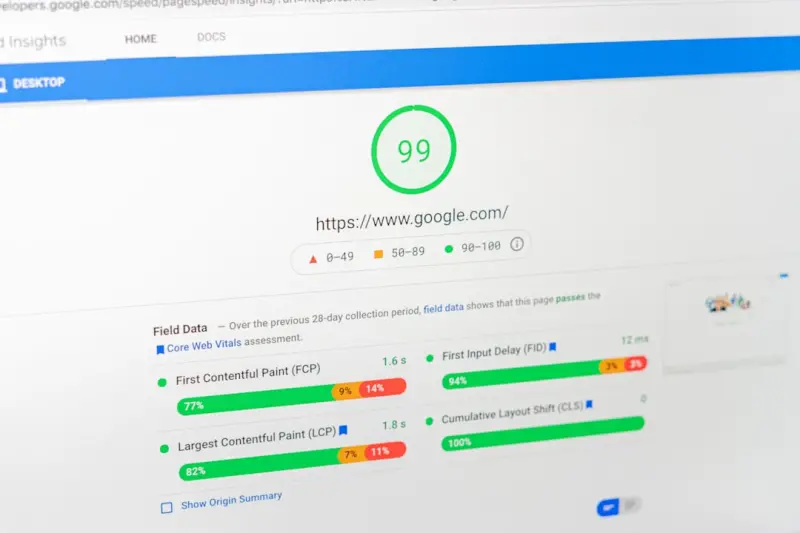
A snippet won’t appear on a page that lags. Google’s mobile‑first indexing now weighs Core Web Vitals heavily when deciding snippet eligibility. Aim for:
- LCP under 2.5 seconds.
- FID under 100 ms.
- CLS under 0.1.
Optimizing these metrics also improves the overall user experience—another subtle ranking factor.
Targeting Knowledge Panels for SaaS Brands
While featured snippets dominate the top‑of‑page real estate, Knowledge Panels offer a brand‑level showcase. For SaaS, a well‑crafted panel can display:
- Company logo and tagline.
- Key product offerings.
- Contact phone number or live‑chat link.
- Recent press mentions.
To earn a panel:
- Claim and verify your Google Business Profile, even if you’re a purely digital business.
- Consolidate data across Wikipedia, Crunchbase, and your own “About” page—Google pulls from authoritative sources.
- Encourage citations by getting featured in reputable industry publications.
Once live, the panel becomes a passive conversion tool, handing prospects the contact details they need without a click.
People Also Ask: The Hidden Funnel
PAA boxes are expandable, giving you multiple chances to capture attention. Here’s how to dominate them:
- Identify recurring PAA questions using Search Console and Ahrefs.
- Write concise, bullet‑point answers that directly address each query.
- Link back to deeper resources for readers who want to dive deeper—this drives internal traffic while still satisfying the zero‑click goal.
Because each PAA entry expands independently, you can rank for several related questions on a single SERP, multiplying visibility without additional pages.
Measuring Success in a Zero‑Click World
Traditional SEO metrics—organic traffic, CTR, average position—still have a role, but you need new KPIs:
| Metric | Why It Matters |
|---|---|
| Snippet Impressions | Shows how often your content is displayed as a featured answer. |
| Zero‑Click Conversion Rate | Tracks actions taken directly from SERP (e.g., phone clicks, map directions). |
| Brand Lift | Survey‑based measurement of awareness after a snippet win. |
| Organic Session Duration | Indicates deeper engagement when users do click through. |
Tools like Google Search Console now surface “Zero Click Searches” data, letting you attribute leads to snippet placements. Pair this with your CRM to close the loop: a lead that came from a snippet‑driven query should be flagged as a “high‑intent” source.
Scaling Zero‑Click Optimization Across a SaaS Portfolio
Large SaaS companies often juggle dozens of product lines and feature pages. To scale snippet dominance:
- Implement a content template library that enforces the answer‑first structure.
- Automate schema generation via a CMS plugin or CI/CD pipeline.
- Run quarterly audits to surface new “zero‑click opportunities” as product features evolve.
- Integrate SEO into the product roadmap—treat each major release as a chance to create a new snippet‑ready asset.
Think of zero‑click SEO as a continuous, iterative process rather than a one‑off optimization sprint.
Common Pitfalls and How to Avoid Them
- Over‑optimizing for the snippet and neglecting depth—Google penalizes thin content. Always provide a richer, linked article beneath the answer.
- Ignoring mobile‑first design—most snippet interactions happen on mobile devices.
- Failing to monitor SERP changes—Google frequently updates its algorithms and UI; what works today might be deprecated tomorrow.
- Relying solely on keyword research tools—real user questions often surface in support tickets and community forums, not just in keyword planners.
Final Thoughts: Embrace the Zero‑Click Paradigm
Zero‑click search isn’t a passing fad; it’s the next evolution of how users discover solutions. For SaaS, where the sales cycle hinges on trust and authority, owning the SERP is a powerful brand signal. By mapping user intent, structuring content for extraction, and marrying technical performance with schema, you can turn Google’s answer boxes into silent salespeople that work 24/7.
Remember, the goal isn’t just to get a snippet—it’s to become the go‑to answer that prospects turn to before they ever consider a competitor. When you achieve that, the clicks that do happen become high‑quality, conversion‑ready traffic—exactly the kind of lead any SaaS marketer dreams of.

David MacKinnon is a dynamic freelance writer known for his captivating storytelling and keen insights into the world of technology. With a passion for exploring the intersection of innovation and everyday life, he crafts engaging narratives that not only inform but also inspire his readers.
Related Posts
From FAQs to Authority: How SaaS Knowledge Bases Can Supercharge Your SEO
Learn why your SaaS support knowledge base is an untapped SEO powerhouse and follow a step‑by‑st... Read More

The Evolution of SEO: Navigating the Ever-Changing Landscape
The world of SEO is constantly evolving. Stay ahead with the latest trends and strategies, from mobi... Read More
The Future of SEO: Trends to Watch in 2024
The world of SEO is rapidly evolving, and 2024 will be a pivotal year for digital marketing. Discove... Read More
Top Posts
Social Media 2024: Paul Gray’s Insider Playbook for Riding the Wave
Paul Gray breaks down 2024’s social media shifts, offering insider tactics on short‑form video, social commerce, and the unexpected boost to local SEO—ess...Read More
The Changing Landscape of Digital Marketing: How to Stay Ahead
The digital marketing landscape is constantly evolving. Learn how to stay ahead of the curve and drive real results for your business with the latest trends and...Read More
Turning Social Conversations into Product Roadmaps
Discover a step‑by‑step approach to capture, analyze, and act on social media feedback, integrating micro‑influencer insights and zero‑party data to sha...Read More
Mobile SEO Mastery: How Human‑Centric Strategies Redefine Rankings
Explore the shift from mobile‑first to human‑centric SEO, with practical tips on Core Web Vitals, voice search, local optimization, and authentic link build...Read More
0 Comments
Post Comment
You will need to Login or Register to comment on this post!