
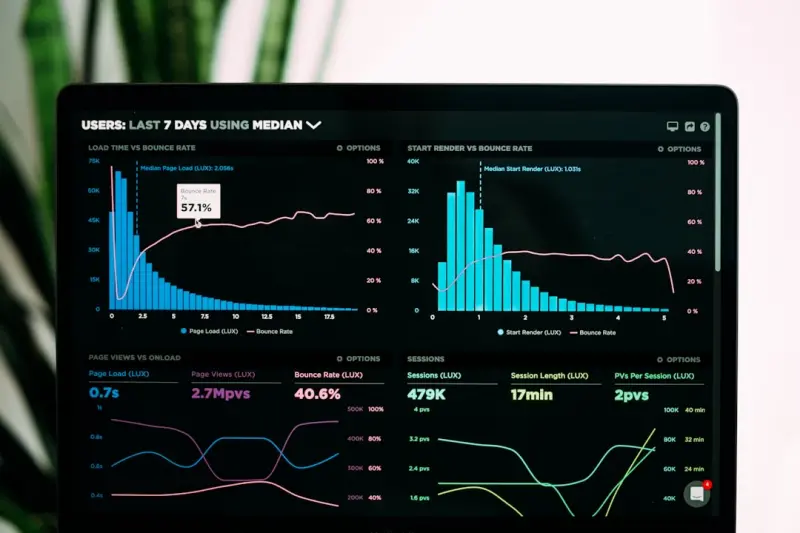
When you think about Technical SEO, the first things that usually pop up are site speed, structured data, or crawl budget. Those are undeniably important, but there’s a silent data source that most SaaS teams completely overlook: server log files. While everyone’s busy polishing UI, the logs are quietly recording every interaction Googlebot has with your site. Unlocking those raw, unfiltered signals can turn a decent SEO program into a high‑velocity growth engine.
Why Log Files Matter More Than You Think
Server logs are essentially a black‑box diary of every HTTP request that hits your servers. They capture who visited, what they asked for, when they asked, and how the server responded. For a SaaS product that serves multiple domains, sub‑domains, and API endpoints, this granularity is pure gold. Unlike analytics tools that rely on JavaScript and can miss bots or server‑side redirects, logs give you a 100 % view of bot behavior.
Here are three reasons why log analysis should sit at the top of your Technical SEO agenda:
- Spot crawl inefficiencies. Identify pages Googlebot spends time on versus pages it skips.
- Detect hidden errors. 404s, 500s, and misconfigured redirects surface instantly.
- Validate SEO investments. See whether newly added schema, canonical tags, or pagination fixes are actually being crawled.
If you’ve ever felt blind about whether Google even sees your latest feature page, the answer lies in those logs.
Getting Started: The Minimal Toolset
You don’t need a massive data‑science team to begin extracting value. A few lightweight tools get you up and running in a weekend:
- Log aggregation. Services like Amazon S3 + Athena or Google Cloud Storage + BigQuery let you store logs cheaply and query them with SQL.
- Parsing utilities. Open‑source options such as
GoAccessorAwkscripts can slice out bot traffic, status codes, and request URLs. - Visualization. Dashboards in Data Studio or Grafana turn raw rows into heatmaps of crawl frequency.
Start with a 30‑day slice of logs for your primary domain and a representative sub‑domain (like your help center). Export the GET requests, filter out known bots (Googlebot, Bingbot, etc.), and you’ll instantly see the crawl footprint.
Decoding Bot Behavior: Patterns to Watch
Once you have a clean dataset, look for these tell‑tale patterns:
- High “404” clusters. If a specific URL pattern (e.g.,
/app/v1/*) consistently returns 404, you probably have stale API references or broken internal links. - Repeated “302” loops. Excessive temporary redirects can waste crawl budget and dilute page authority.
- Low “crawl depth” on key product pages. If Googlebot never goes beyond your homepage to reach a newly launched pricing tier, your internal linking hierarchy needs reinforcement.
- Time‑of‑day spikes. Bots may crawl more aggressively during off‑peak hours; aligning your server capacity with these spikes prevents throttling.
Cross‑reference these findings with the crawl budget mastery playbook. You’ll quickly see which low‑performing pages are draining the budget and which high‑value pages need a boost.
From Insights to Action: Prioritizing Fixes
Not every issue is worth fixing immediately. Use a three‑tier prioritization matrix:
- Critical (High Impact, Low Effort). 500 server errors on checkout pages—fix the server config ASAP.
- Strategic (High Impact, Moderate Effort). Orphaned product documentation pages that never get crawled—add contextual internal links from related blog posts.
- Optimization (Low Impact, High Effort). Minor redirect chains on legacy marketing URLs—plan these for the next quarterly cleanup.
When you implement a change, go back to the logs after a few days. If Googlebot starts requesting the corrected URLs more frequently, you’ve just reclaimed crawl budget and likely improved rankings.
Case Study: A SaaS Platform That Turned Log Data into Rankings
Consider AcmeMetrics, a B2B analytics SaaS with a sprawling documentation portal, API reference, and a public blog. Their SEO team felt stuck: organic traffic plateaued despite regular content pushes. By pulling three months of server logs, they uncovered two hidden culprits:
- A legacy
/docs/v1/directory that still received 30 % of bot requests but returned 404 for over half the URLs. - An internal “quick‑start” guide that existed only on a sub‑domain (
quickstart.acmemetrics.com) and was never linked from the main site.
After cleaning up the dead /docs/v1/ paths and consolidating the quick‑start guide under the primary domain, the logs showed a 45 % increase in crawl depth on their documentation pages. Within six weeks, their organic sessions grew by 22 % and the “how‑to” queries in Google started featuring their articles in the top positions.
This transformation underscores how a disciplined log‑analysis routine can surface low‑hanging fruit that other SEO tactics miss.
Bridging to Other Technical SEO Pillars
Log file insights don’t exist in a vacuum. They complement every other Technical SEO effort you undertake:
- Site architecture. Use crawl paths to validate that your silo structure is being respected.
- Canonical tags. Confirm that bots are seeing the intended canonical URL, not an accidental duplicate.
- Schema markup. Verify that enriched pages are actually crawled; otherwise, you’re paying for markup that no one sees.
- International targeting. If you serve multiple locales, logs reveal which language versions are being indexed and which are ignored.
For SaaS teams already grappling with single‑page applications, pairing log analysis with the single‑page app SEO guide can close the loop between client‑side routing and server‑side crawlability.
Next‑Level: Pairing Log Analysis with HTTP/2 & HTTP/3 Optimization
Modern web protocols like HTTP/2 and HTTP/3 promise multiplexed streams, header compression, and reduced latency. While they’re championed for user experience, they also influence how search bots retrieve resources. Logs can reveal whether bots are taking advantage of these protocols:
- If you notice repeated requests for the same resource (CSS, JS) across multiple connections, you might be falling back to HTTP/1.1 for bot traffic.
- High
ALPNnegotiation failures in logs indicate that your CDN isn’t presenting the optimal protocol to Googlebot.
Optimizing your edge infrastructure to serve HTTP/2/3 to bots can shrink page download times, indirectly boosting Core Web Vitals and, consequently, rankings. Combine this with the earlier crawl‑budget insights, and you’ve built a feedback loop where faster delivery leads to deeper crawling, which in turn surfaces more ranking opportunities.
Establishing a Sustainable Log‑Analysis Cadence
One‑off deep dives are valuable, but the real power lies in regular monitoring. Here’s a simple cadence you can adopt:
- Weekly snapshots. Quick checks for spikes in errors or redirects.
- Monthly deep dives. Full‑scale pattern analysis, prioritization, and roadmap updates.
- Quarterly reviews. Align findings with product releases, content calendars, and infrastructure changes.
Document each insight in a shared “SEO health” dashboard, assign owners, and track remediation status. Over time, you’ll notice a steady reduction in crawl waste and a measurable lift in organic visibility.
Final Thoughts
In the fast‑moving SaaS world, technical SEO is often treated as a set of static checklists. Server log files flip that narrative, turning SEO into a data‑driven discipline that evolves alongside your product. By making log analysis a cornerstone of your SEO strategy, you’ll not only reclaim crawl budget and fix hidden errors but also lay the groundwork for advanced optimizations like HTTP/2/3 adoption and seamless SPA indexing. The logs have been talking all along—listen, act, and watch your rankings climb.

Tom Ferguson is a Canadian freelance writer with a passion for storytelling, current events, and thoughtful commentary. Drawing on years of writing experience, he shares engaging insights on a wide range of topics, bringing a uniquely Canadian perspective to his work.
Related Posts

The Duplicate Dilemma: Technical SEO Strategies for Multi‑Tenant SaaS Platforms
A deep dive into tackling duplicate content on multi‑tenant SaaS platforms, covering log file anal... Read More

Decoding Crawl Data: How Log File Analysis Supercharges Technical SEO
A deep dive into using server logs to uncover crawl patterns, fix hidden bottlenecks, and allocate b... Read More

Scaling Technical SEO for Multi‑Tenant SaaS: A Playbook to Tame Duplicate Content and Crawl Limits
A detailed guide for SaaS teams on handling the unique technical SEO challenges of multi‑tenant pl... Read More
Top Posts

Cart Abandonment Reimagined: How Dynamic Checkout Paths Boost Revenue
Dynamic checkout paths tailor the purchase experience to each shopper, reducing friction, increasing conversion rates, and turning cart abandonment into a power...Read More

Transforming Your Online Store into a Customer Experience Engine
Learn how to turn your eCommerce shop into a personalized experience hub with AI recommendations, dynamic content, and community‑driven loyalty—boosting eng...Read More

Google’s Search Generative Experience: A Marketer’s Playbook for the New SEO Era
This guide explores Google’s Search Generative Experience, explaining why it matters, how to structure content for AI, and actionable steps to boost visibilit...Read More

Technical SEO Trends 2024: Tammy French’s Inside Playbook
Tammy French breaks down the 2024 technical SEO landscape, from crawl budget mastery to edge computing, offering actionable strategies to future‑proof your si...Read More
0 Comments
Post Comment
You will need to Login or Register to comment on this post!