

Why Local Partnerships Are the Secret Sauce for SaaS Growth
When most SaaS marketers think “local SEO,” the mental image is usually a list of citations, a Google Business Profile, and a handful of city‑specific landing pages. That’s the bare minimum. In my ten‑plus years of helping SaaS companies get found, I’ve learned that the real power lies in weaving your brand into the fabric of the community you serve. Think of it as a two‑way street: you give the local ecosystem value, and the ecosystem hands you high‑intent traffic.
From “Just Listed” to “Community Hero”
It’s easy to treat local SEO as a checklist. Claim your GMB, add NAP consistency, sprinkle a few city keywords—and you’re done, right? Not quite. The most sustainable local signals come from genuine relationships:
- Co‑hosted webinars with local industry groups that solve a niche pain point.
- Sponsorship of regional meetups or hackathons where you can showcase your product in a real‑world setting.
- Guest columns in city‑focused business publications that position your SaaS as a thought leader for local challenges.
Each of these activities creates a local backlink, a brand mention, and, most importantly, a trust signal that Google loves but can’t fabricate.
Localized Landing Pages: More Than Just a Map Pin
Many SaaS teams roll out a generic “Cities We Serve” page that simply lists locations. That’s a missed opportunity. Instead, build hyper‑targeted landing pages that answer the unique questions of each market. Ask yourself:
- What industry clusters dominate this city? (e.g., fintech in Charlotte, biotech in Boston)
- Which local regulations impact your target users?
- What local events or news can you tie into your value proposition?
When you answer these questions, you’re not only improving relevance for search engines, you’re giving prospects the confidence that you “get” their world.
Leverage Existing Customer Bases for Local Signals
Don’t underestimate the power of your current customers. If you have a handful of users in a particular metro, turn them into local advocates:
- Invite them to a regional user group where they can share success stories.
- Ask them for a review on your Google Business Profile that mentions the city by name.
- Feature a case study that highlights how your solution solved a problem specific to that locale.
These authentic signals are far more valuable than a generic citation farm.
Micro‑Events: The New Local SEO Engine
Big conferences are great, but micro‑events are where the magic happens for local SEO. Think lunch‑and‑learns, office tours, or even a coffee‑shop demo day. They create a cascade of local signals:
- Local press coverage with geo‑specific keywords.
- Social media mentions that include location tags.
- Post‑event blog posts that naturally earn local backlinks.
And because they’re low‑cost, you can run several each quarter, building a steady stream of fresh, location‑rich content.
Partner With Complementary Local Businesses
Identify non‑competing businesses that serve the same audience and explore co‑marketing opportunities. For a SaaS product that streamlines HR, partner with a local payroll consultancy. For a project‑management tool, team up with a coworking space. Joint webinars, bundled offers, or even a shared resource hub can generate:
- Cross‑linked content that boosts both parties’ SEO.
- Referral traffic from a highly relevant audience.
- Increased brand authority in the local market.
These partnerships often lead to “earned” mentions in local blogs and newsletters—gold for your SEO.
Local Schema Markup: Speak Google’s Language
Technical SEO still matters in the local arena. Implement LocalBusiness schema on your city landing pages, embedding NAP details, operating hours, and even service areas. This helps Google understand the geographic relevance of your pages and can surface them in the coveted “Local Pack.”
Measure, Iterate, and Scale
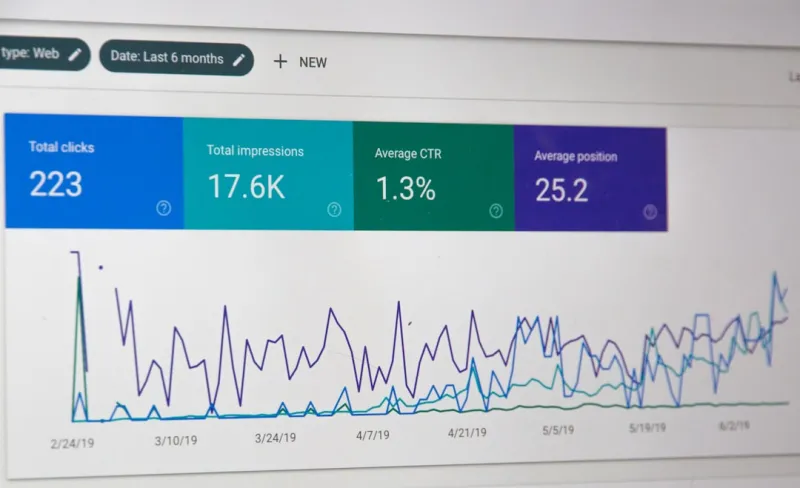
Local SEO isn’t a set‑and‑forget strategy. Use Google Search Console to monitor impressions and clicks for city‑specific queries. Track referral traffic from partner sites and event pages. And don’t forget to measure offline impact—how many event attendees convert versus organic traffic?
When a particular city shows a spike in qualified leads, double down: create more content, deepen partnerships, and perhaps even consider a localized ad campaign.
Integrating Local SEO with Your Broader Strategy
While we’re focused on the local angle, it’s crucial to keep the bigger picture in mind. Align your local content with the overarching topic clusters you’ve built for your SaaS brand. For instance, if your pillar page is “Workflow Automation for SMBs,” each city landing page should link back to that pillar while adding a local twist.
If you’re looking for inspiration on how to structure those clusters, check out Building Topic Clusters for SaaS. It’s a solid foundation that can be adapted to a local context.
And don’t forget the mobile experience—local search is overwhelmingly mobile. Make sure your localized pages load lightning‑fast and are mobile‑friendly. The Mobile SEO Playbook has a handy checklist you can apply.
Case Study Snapshot: Turning a Single City into a Lead Engine
One of our SaaS clients—a compliance‑tracking platform—was struggling to break into the San Diego market. Here’s what we did:
- Localized Content: Created a landing page that addressed California’s specific data‑privacy regulations, featuring a local case study.
- Partnership: Teamed up with a local legal consultancy for a co‑hosted webinar.
- Micro‑Event: Hosted a free “Compliance Lunch & Learn” at a downtown co‑working space.
- Schema & Citations: Implemented LocalBusiness schema and secured listings in three local directories.
Result? Within three months, organic traffic from “San Diego compliance software” grew 250%, and the client saw a 30% increase in qualified demo requests from the region.
Bottom Line: Make Local SEO a Relationship‑Driven Discipline
Stop treating local SEO as a box‑checking exercise. Think of it as community building, content personalization, and partnership cultivation rolled into one. When you invest in genuine local relationships, the search signals—and the leads—will follow.

Deb Roberts is a freelancer who writes on various subjects, bringing versatility and depth to her work. Alongside her broad writing expertise, she has a special passion for horses.
Related Posts

Unlocking Hyper‑Local Authority: How Micro‑Event Sponsorship Supercharges Your Local SEO
Learn why micro‑event sponsorship is the secret weapon for local SEO, turning community involvemen... Read More

Local SEO in 2024: Navigating the Evolving Landscape
Local SEO is critical for businesses with physical locations. Learn the latest trends and best pract... Read More

Local SEO Secrets: Turning Neighborhood Searches into Real Connections
Learn why modern local SEO is about empathy, not just listings. From mobile‑first tactics to commu... Read More
Top Posts

Riding the 2024 Social Media Wave: Insider Strategies from My Playbook
Kelly Reynolds shares her proven 2024 social media playbook, blending authentic storytelling, data insights, and cross‑channel strategies to boost engagement ...Read More

Why First‑Party Data Is the Secret Sauce Behind Real‑Time eCommerce Personalization
Learn how first‑party data can transform generic online storefronts into hyper‑personalized experiences, driving higher conversion rates, larger order value...Read More

Unlocking ABM Success: Social Media Tactics SaaS Teams Overlook
A deep dive into social‑driven account‑based marketing for SaaS, highlighting listening, niche community engagement, and employee advocacy as untapped tacti...Read More
The Evolution of SEO: How to Stay Ahead in 2024
The world of SEO is constantly evolving. Stay ahead of the competition by learning the latest trends and strategies in SEO, including technical optimization, co...Read More
0 Comments
Post Comment
You will need to Login or Register to comment on this post!